Meal prep is the simple act of preparing meals or ingredients before you actually need them. That's it. No complicated system, no lifestyle overhaul required.
It's flexible enough to fit almost any schedule. For some people, it means cooking a full week of lunches on Sunday. For others, it's just pre-chopping vegetables so weeknight dinners come together in half the time. The point is to do a little work upfront so the rest of your week runs more smoothly.
Why Meal Prep Is More Than Just a Trend
The thought of meal prepping can feel intimidating at first. You're probably picturing a fridge packed with identical, perfectly portioned containers. The reality is far more practical and less rigid than what you see online. Think of it as building a simple habit that gives you back time and kills the daily "what do I eat?" spiral.
This isn't about some picture-perfect, Instagrammable lifestyle. It's about making your actual, real life easier — your defense against the 5 PM dinner panic. When you have food components ready to go, you stop grabbing whatever's fast and convenient, and start eating with intention.
Reclaim Your Time and Budget
One of the first things you'll notice is the impact on your bank account. Walking into the grocery store with a plan almost entirely eliminates impulse buys. That focused shopping also cuts down on food waste because every ingredient has a job to do.
Beyond the savings, you get back time. The couple of hours you spend on a Sunday washing, chopping, and cooking can easily save you 15–30 minutes every single day. That adds up to hours of your week no longer spent over a hot stove or scrubbing pans.
The goal of meal prep isn't to create a rigid, boring menu. It's to create a system of convenience that makes healthy, intentional eating the easiest option available.
The infographic below shows how this simple process can take you from daily stress to a calm, organized week.
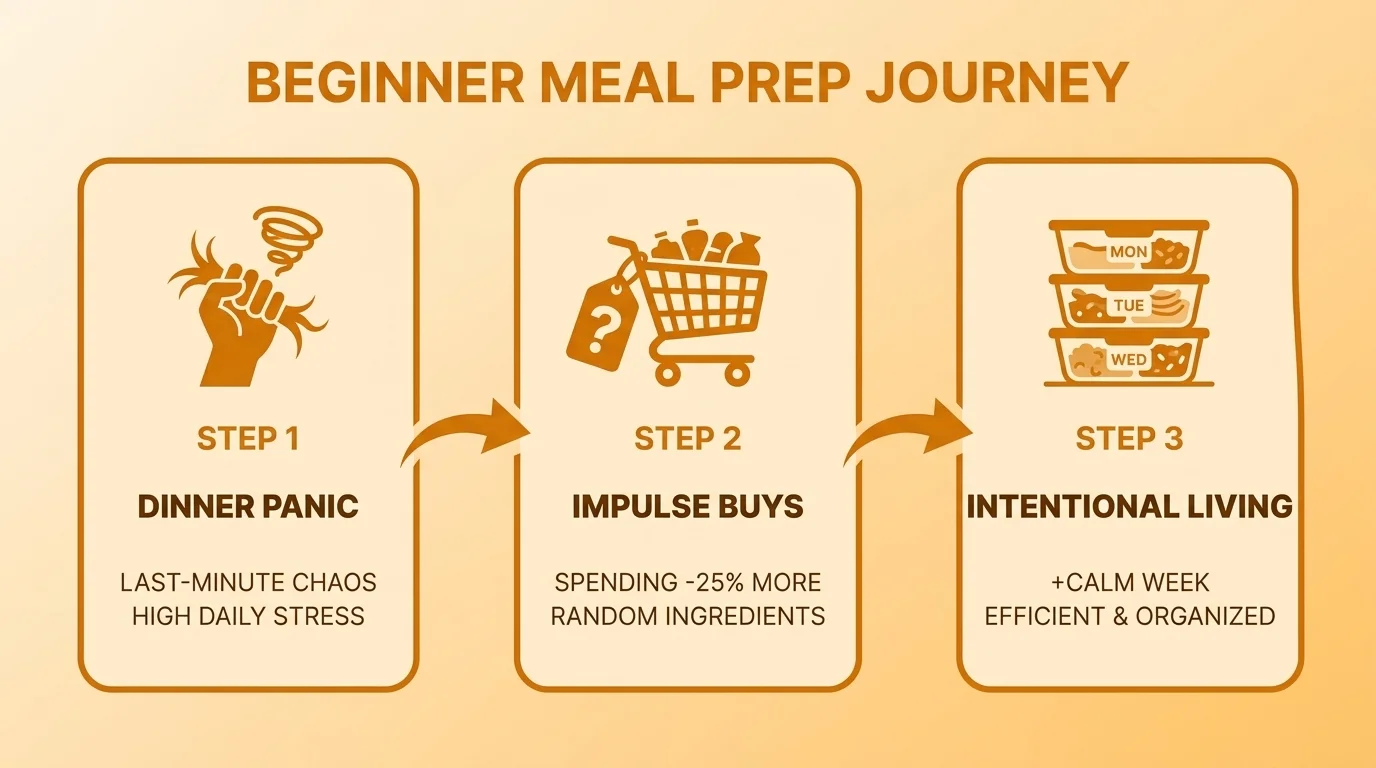
A little planning makes a significant difference in your daily routine and your finances. The path from chaos to control is shorter than most people expect.
A Growing Movement Toward Intentional Eating
The popularity of meal prep isn't a fluke. The global meal prep market was valued at USD 5.68 billion and is projected to more than double by 2033. That's a clear signal that people are looking for convenient, at-home ways to support healthier lifestyles. Discover more insights about meal prep market growth.
When you start meal prepping, you're not just organizing your food. You're building a routine that feels less stressful and more deliberate — a small change with a surprisingly large effect on your daily energy and decision-making.
If you want a hand getting started, check out Kitchendary to get personalized plans that make the whole process even simpler.
Your First Meal Prep: A Realistic Game Plan
Getting started with meal prep doesn't mean locking yourself in the kitchen all day Sunday and packing away 21 sad, identical meals. That approach leads to burnout fast. Forget the complicated spreadsheets and all-or-nothing ambition.
The key to making this a lasting habit is to start small. Make it feel easy, not like a second job.
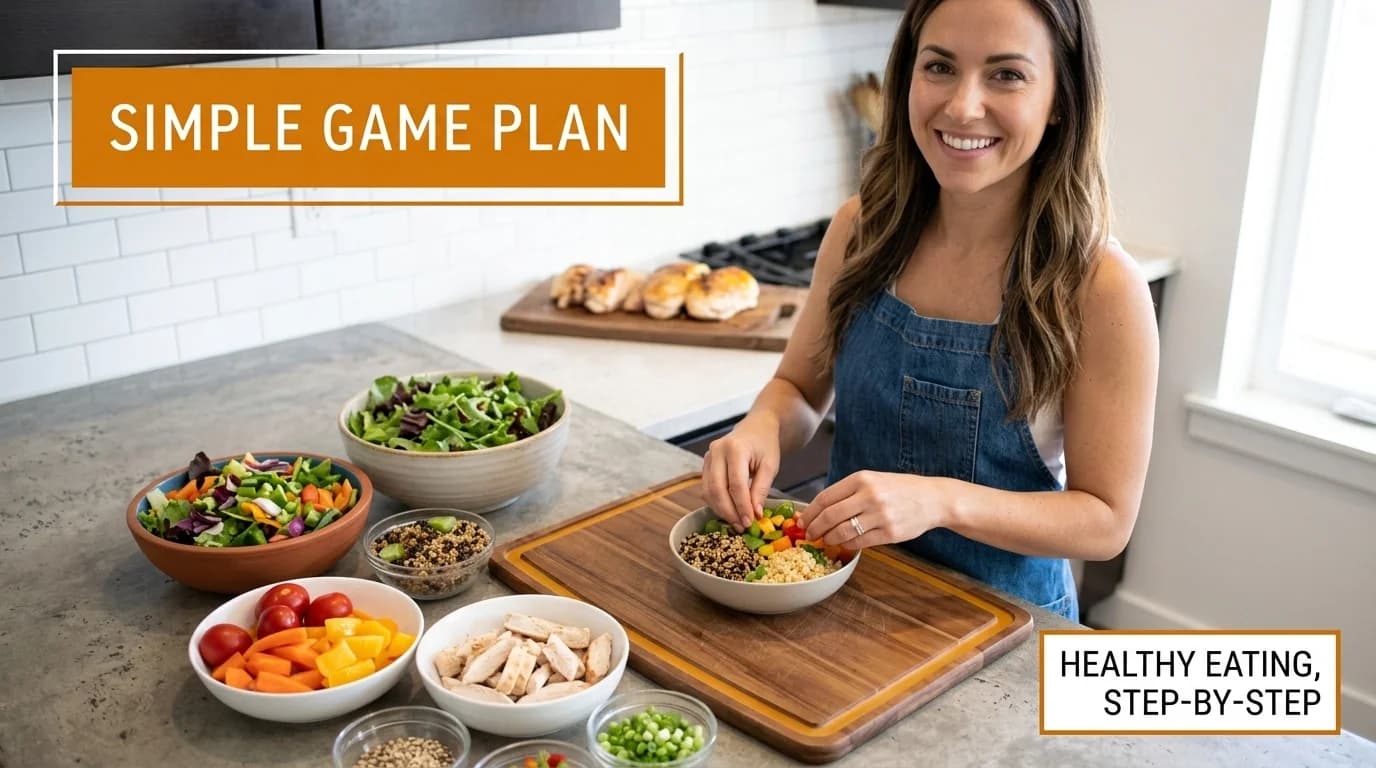
A perfect first step? Just focus on three days of lunches. That's it. Nailing this small goal builds momentum and proves that meal prep can be manageable and genuinely rewarding from the start. Progress over perfection.
Embrace the "Component Prep" Method
Instead of assembling three complete, identical meals, think in terms of versatile building blocks. This approach is called Component Prep, and it's the most effective way to avoid food boredom. Cook a few core ingredients separately, then mix and match them into different combinations throughout the week.
This gives you real flexibility. One day you throw together a quinoa bowl, the next a chicken salad, and the day after that, a veggie wrap — all using the same prepped components. The meals stay interesting and you can adapt to what you're actually craving.
A good starting point is prepping a few simple things:
- A versatile protein: Shredded chicken, a batch of lentils, or hard-boiled eggs.
- A hearty grain: A big pot of quinoa, brown rice, or farro.
- A mix of roasted vegetables: Broccoli, bell peppers, and sweet potatoes hold up well in the fridge.
- A simple dressing or sauce: A lemon vinaigrette or tahini dressing ties everything together.
Here's a simple table to show how this component idea works in practice. Cook the basics once, then assemble them differently each day.
| Component Category | What to Prep (Example) | How to Assemble |
|---|---|---|
| Protein | 1 lb shredded chicken breast | Day 1: Mix with grain, veggies, and dressing for a grain bowl. |
| Grain | 2 cups cooked quinoa | Day 2: Combine with chopped celery, onion, and a light mayo for a chicken salad. |
| Veggies | Roasted broccoli & bell peppers | Day 3: Roll up in a whole-wheat tortilla with a smear of hummus for a quick wrap. |
| Sauce/Dressing | Lemon-tahini dressing | Use it on the grain bowl, as a dip for the wrap, or to moisten the chicken salad. |
It's about cooking smart, not just cooking more. You get variety without spending your entire weekend in the kitchen.
Choose Forgiving, Reheatable Recipes
The success of your first prep session comes down to choosing recipes that taste just as good — or better — on day three. Not all foods are created equal when it comes to reheating. Steer clear of anything that needs to be crispy, like fried foods or breaded cutlets. They almost always get soggy and disappointing.
Instead, lean into recipes that are built for reheating. These are your meal prep champions:
- Grain Bowls: The ultimate mix-and-match meal. Hard to go wrong here.
- Sheet-Pan Meals: Toss chicken or sausage with chopped veggies like broccoli, onions, and bell peppers. Roast it all on one pan for minimal cleanup.
- Soups and Chilis: Their flavors actually deepen and get better after a day or two in the fridge.
For more ideas on how to structure your meals, check out a balanced meal delivery plan, which shows how different ingredients can be combined for great flavor and nutrition.
Key Takeaway: The goal isn't just to cook food ahead of time; it's to cook food that you'll actually look forward to eating later. Stick with forgiving recipes to guarantee a good lunch every time.
Master Your Grocery Run and Time Block
Your meal prep session actually begins long before you turn on the oven. It starts with a smart, organized grocery list. Instead of a random jumble of items, group them by store section: produce, meat, dairy, and pantry staples. This one simple trick turns a wandering shopping trip into an efficient, in-and-out mission.
Once you have your ingredients, block out a specific time to cook. A two-hour window on a Sunday afternoon is more than enough for a beginner's component prep. Put on some music or a podcast and just focus on the task.
A simple two-hour structure:
- First 15 minutes: Wash and chop all your vegetables. Get your mise en place ready.
- Next 45 minutes: Get everything cooking. Put the grains on the stovetop and slide the sheet pans of veggies and protein into the oven.
- Final hour: While things cook, whip up your sauce, wash the prep dishes, and portion out any cold items. Once everything is cooked, let it cool completely before storing.
This structured approach makes the whole process feel calm and controlled — a productive ritual rather than a chore. You're setting yourself up for a much less stressful week.
The Only Meal Prep Gear You Actually Need
It's easy to get sucked into the idea that you need a kitchen full of fancy gadgets to meal prep. That's one of the biggest myths out there. Successful meal prepping is built on a few reliable workhorses, not a drawer full of single-use tools you'll use once and forget.
Be smart about it. Invest in items that actually make your life easier without cluttering your counters or draining your wallet. Forget the spiralizers, sous vide machines, and avocado slicers for now. Here are the essentials that will make your prep sessions smooth and efficient.
The Absolute Must-Haves
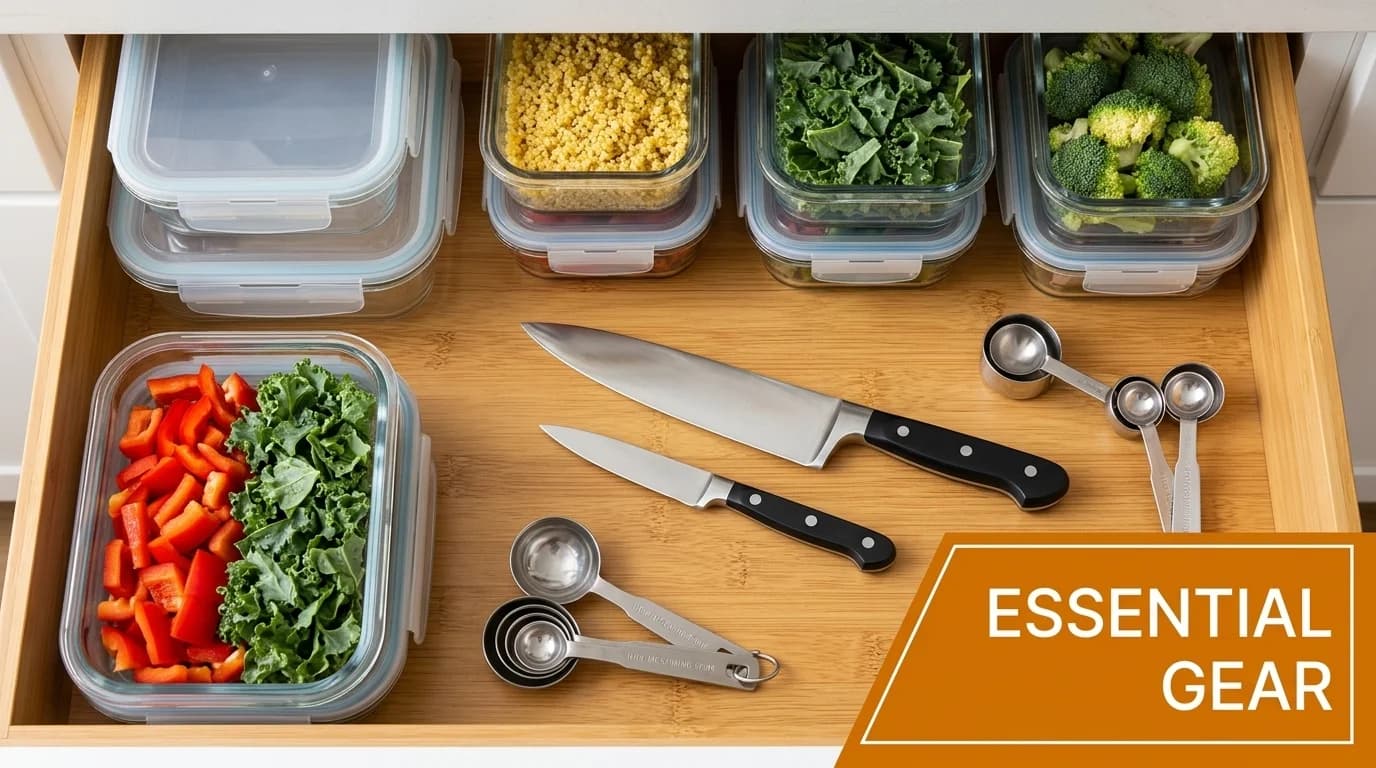
Think of this list as your starting lineup — the non-negotiables. These are the tools that will do 90% of the heavy lifting. Trying to meal prep without them is the fastest way to give up on a new habit.
- High-Quality Food Containers: This is where you don't want to skimp. A good set of glass containers with airtight locking lids is recommended. They won't stain from tomato sauce, warp in the microwave, or hold onto odors from last week's salmon. Plus, a matching set stacks neatly in the fridge.
- A Sharp Chef's Knife: A dull knife isn't just inefficient — it's a safety hazard. One solid 8-inch chef's knife handles almost all your chopping, dicing, and slicing without a whole knife block.
- Large Cutting Boards: At least two — one strictly for raw meats and another for produce. This simple food safety practice prevents cross-contamination. Look for boards that are easy to clean and won't slip on your counter.
- Basic Cookware: A large baking sheet for roasting veggies and proteins, a stockpot for grains, and a skillet for sautéing. That covers nearly all your bases.
Smart Additions for Later
Once you get into a solid rhythm, a few extra tools can streamline your process. These aren't necessary on day one, but they're worth considering once you're consistent.
The better approach: don't rush out and buy everything at once. Start with the must-haves. Only add a new tool when you consistently find yourself thinking, "I really wish I had a..." This way, you only buy what you'll actually use.
When you're ready to upgrade your setup, consider adding these:
- A Food Scale: Using a food scale for the first few weeks is recommended for anyone tracking macros or trying to get consistent portion sizes. It takes all the guesswork out of dividing up your meals, making sure every serving aligns with your goals.
- A Slow Cooker or Instant Pot: Toss in ingredients for chili, soup, or shredded chicken in the morning and have a massive batch ready by afternoon with almost zero effort.
- A Simple Food Processor: Great for whipping up sauces, dressings, and dips like hummus or pesto quickly. It can also shred cheese or carrots in seconds, saving you time and sore knuckles.
And while we're talking about containers, don't forget about staying hydrated on the go. It's worth exploring the best insulated water bottles to keep your drinks cold (or hot) all day long. The best gear is the gear you'll actually use week after week.
Keeping Your Prepped Food Fresh and Safe
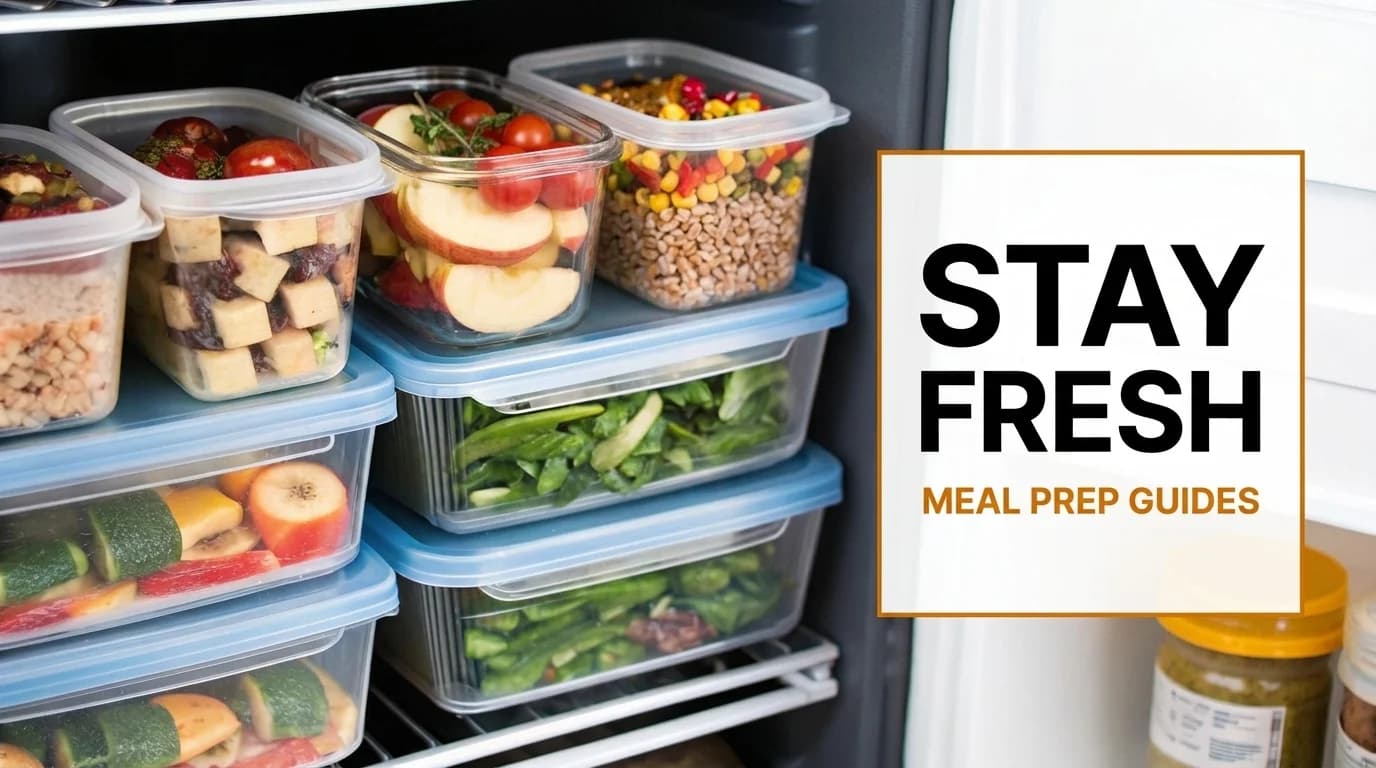
The real win in meal prep isn't just getting the cooking done. It's pulling a perfectly fresh, delicious meal from your fridge on a busy Wednesday without a second thought. The success of your entire effort boils down to one critical detail: how you store the food.
Get this part right, and your food stays tasty and safe to eat all week. A solid storage strategy keeps your hard work from going to waste, locks in flavor and texture, and gives you complete confidence in every meal you grab.
The Two-Hour Rule Is Non-Negotiable
A common food safety mistake is packing piping hot food directly into containers and sealing them shut. This traps steam and heat, creating a warm, moist environment where bacteria thrive.
This is where the Two-Hour Rule becomes your best friend. Cool your cooked food down before sealing it and putting it in the fridge. Bacteria multiply rapidly in the temperature "danger zone" between 40°F and 140°F, so your job is to get your food through this range as quickly as possible.
An easy way to do this: spread hot items like roasted vegetables or chicken breasts out on a baking sheet. More surface area means faster cooling. For big batches of soup or chili, divide it into smaller, shallower containers first. Once everything is cool to the touch, portion, seal, and refrigerate.
Know What to Refrigerate and What to Freeze
Not everything you prep is meant to live in the fridge for five days straight. Knowing what freezes well and what doesn't lets you prep for the whole week — and beyond — without worrying about food going bad.
Most cooked foods are at their best for about 3–4 days in the refrigerator. If you're prepping on a Sunday, your Thursday and Friday meals should probably come from the freezer to ensure they're still fresh.
Foods That Freeze Well:
- Soups, Stews, and Chilis: These are excellent freezer meals. The flavors actually get better after a little time together.
- Cooked Grains: Quinoa, brown rice, and farro all freeze and reheat well. Just add a splash of water before microwaving to bring them back to life.
- Shredded Meats: Having portions of cooked chicken, beef, or pork in the freezer is convenient for last-minute tacos or salads.
- Muffins and Cooked Oatmeal: Perfect for grab-and-go breakfasts.
Foods to Avoid Freezing:
- High-Water-Content Veggies: Cucumbers, lettuce, and raw tomatoes turn into a mushy mess when they thaw.
- Cream-Based Sauces: Dairy tends to separate and get grainy when frozen.
- Fried Foods: That crispy coating will become soggy and lose all texture.
A simple rule: if it's a liquid or has a dense, cooked texture, it will probably freeze well. If it's supposed to be crisp and fresh, keep it out of the freezer.
This strategy — refrigerating for the next couple of days and freezing for later in the week — is the foundation of a successful meal prep routine.
A Simple Labeling System Reduces Stress
After a few days, even your own cooking can become a mystery. What's in that container? When did you make this? You can avoid playing "mystery meal roulette" with a ridiculously simple labeling system. A roll of masking tape and a marker are all it takes.
On every container, jot down three things:
- What it is (e.g., "Chicken & Veggies")
- When you made it (e.g., "Made 10/27")
- Its destination (Fridge or Freezer)
This two-second habit helps you follow the "first in, first out" (FIFO) rule without even thinking about it. By labeling everything, you'll naturally grab the oldest meals first — the best way to prevent food from spoiling. Small step, significant payoff.
Adapting Meal Prep to Your Personal Goals
One of the biggest myths about meal prep is that it's a rigid system of chicken, broccoli, and rice. The reality is far more flexible.
Think of meal prep less as a strict diet and more as a framework you can mold to fit your health goals. Whether you're looking to lose weight, build muscle, or just get a healthy dinner on the table for your family, the core ideas of planning and prepping adapt to fit. It depends on being intentional with your ingredients and portions to get the results you want.
Meal Prep for Weight Loss
When weight loss is your main objective, meal prep becomes a powerful tool for managing calories without feeling deprived. The focus is on nutrient density and portion control — foods that pack a lot of vitamins and minerals for fewer calories.
Build your meals around these key components:
- Lean Proteins: Chicken breast, turkey, fish, and legumes keep you full and satisfied, which helps manage cravings.
- High-Volume Vegetables: Fill your plate with non-starchy veggies like spinach, broccoli, bell peppers, and zucchini. Roasting a huge tray of mixed vegetables on Sunday gives you a versatile side for days.
- Complex Carbohydrates: Small, controlled portions of quinoa, sweet potatoes, or oats provide slow-burn, sustained energy.
To dial in your results, it helps to understand different nutritional strategies. You can learn more about some of the most effective diets for weight loss and see how they can be woven into your prep routine. There's strong demand for convenient, calorie-controlled meal portions, often between 350 to 550 calories.
Pro Tip: Using a food scale for the first few weeks is recommended. It feels a bit tedious at first, but it's the most accurate way to learn what a true portion size looks like and ensure you're creating the calorie deficit needed for weight loss.
Prepping to Build Muscle
If you're trying to build muscle, the strategy shifts. The focus here is prioritizing protein and timing your carbs strategically. The goal is to give your body everything it needs to fuel tough workouts and then repair and grow muscle fibers — which usually means eating larger portions and more frequently.
A solid muscle-building meal prep plan should include:
- High-Protein Components: Big batches of grilled chicken thighs, lean ground beef, hard-boiled eggs, and Greek yogurt. Easy to add to any meal throughout the week.
- Smart Carb Timing: Cook up plenty of rice, potatoes, and whole-wheat pasta. Portion these to eat around your workouts, when your body can put that energy to the best use.
- Healthy Fats: Avocado, nuts, and olive oil are essential for hormone production, which plays a big role in muscle growth.
For anyone serious about this goal, a structured plan makes a real difference. Check out a dedicated high-protein meal plan to see how meals are structured to maximize muscle synthesis and recovery.
Family-Friendly Meal Prep
Prepping for a family — especially one with picky eaters — requires a different playbook. The answer isn't to create a dozen identical, pre-portioned meals. It's to embrace "deconstructed" meal prep: prepping components that everyone assembles themselves.
Think of it as setting up a mini buffet bar for dinner. This simple approach lets your kids (and your partner) build their own plates, which significantly increases the odds they'll actually eat the food without complaints.
A Deconstructed Taco Night Prep:
- Protein: Cook a large batch of seasoned ground turkey or black beans.
- Veggies: Finely dice tomatoes, onions, and lettuce. Shred some cheese, too.
- Toppings: Portion out little containers of salsa, sour cream, and jalapeños.
- Carbs: Have both hard taco shells and soft tortillas on hand so everyone has an option.
When dinnertime rolls around, pull everything out of the fridge and let the family build their own tacos or taco salads. This works well for grain bowls, pasta nights, and homemade pizzas, too. It's a simple shift in mindset that can transform mealtime from a battle into something people actually enjoy — and it cuts down on food waste.
FAQ
Won't I Get Sick of Eating the Same Thing?
This is the most common concern. Avoiding food fatigue is easier than it seems. The real answer isn't to cook seven wildly different meals for the week — it's to prep ingredients, not finished meals. A focused two-hour session gives you building blocks you mix and match all week.
How Much Time Do I Really Need to Set Aside?
It's easy to picture meal prep as a full-day affair chained to your kitchen every Sunday. That's a classic beginner misconception that leads straight to burnout. For someone just starting out, a focused two-hour window is more than enough. Pick one meal, keep it simple, and get your ingredients ready before you start the clock.
What Are the Biggest Mistakes I Should Avoid?
Most beginners fall into one of three traps: getting too ambitious too fast, prepping foods that reheat poorly, and ignoring basic food safety like the two-hour cooling rule. Start with just lunches for a few days, stick to forgiving recipes like soups and grain bowls, and always let food cool before sealing it up.