The core idea behind keto is simple: cut carbs low enough that your body switches from burning glucose to burning fat. In practice, that means staying under 20–50g of net carbs per day and getting the bulk of your calories from fat. What trips people up is the grocery store. What exactly goes in the cart?
This guide covers the 10 food groups that form the backbone of a keto diet. For each one you'll get specific examples, accurate macro numbers, and tips for actually using them week to week. No filler, no vague advice — just the stuff that matters when you're building a real eating plan.
If you want to take the guesswork out of tracking your targets, the calorie and macro calculator will give you a personalized keto macro breakdown based on your weight, height, and goals.
The keto food list at a glance (copy or print)
Here is the whole keto food list in one place, grouped for a quick grocery run. Each group is broken down further below with real macro numbers. Build your plate from the first rows and skip the last one.
- Proteins: beef, pork, chicken, turkey, eggs, salmon, sardines, tuna, shrimp.
- Fats & oils: olive oil, avocado oil, coconut oil, butter, ghee.
- Low-carb vegetables: spinach, kale, broccoli, cauliflower, zucchini, asparagus, cucumber, cabbage.
- High-fat dairy: hard cheeses, cream cheese, heavy cream, full-fat Greek yogurt (in moderation).
- Nuts & seeds: almonds, pecans, macadamias, walnuts, chia, flax, pumpkin seeds.
- Low-sugar fruit: avocado, blackberries, raspberries, strawberries, lemon, lime (small portions).
- Extras: olives, dark chocolate 85%+, herbs, spices, mustard, unsweetened cocoa.
- Avoid: bread, pasta, rice, potatoes, sugar, most fruit, beans, soda, and low-fat "diet" products.
Prefer a done-for-you version? Our 7-day keto meal plan turns these foods into a full week of breakfasts, lunches, and dinners with the macros already balanced.
How keto macros actually work
Standard keto splits look roughly like this:
- Fat: 70–80% of total calories
- Protein: 15–25% of total calories
- Net carbs: 5–10% of total calories (usually 20–50g/day)
Net carbs = total carbs minus fiber. That's what you track, not total carbs. A cup of broccoli has about 6g total carbs, but 2.4g of that is fiber, so the net carb count is 3.6g. This distinction matters a lot when you're loading up on vegetables.
Protein is moderate, not unlimited. Excess protein can be converted to glucose through a process called gluconeogenesis, which can interfere with ketosis. Stick to 1.2–1.7g per kilogram of bodyweight as a general target.
1. Fatty fish and seafood
Zero carbs, high protein, excellent fat. Fatty fish does everything keto asks of it. Wild-caught salmon, mackerel, and sardines are particularly useful because the omega-3 content is high — EPA and DHA, the forms your body actually uses, not the plant-based ALA that needs to be converted.
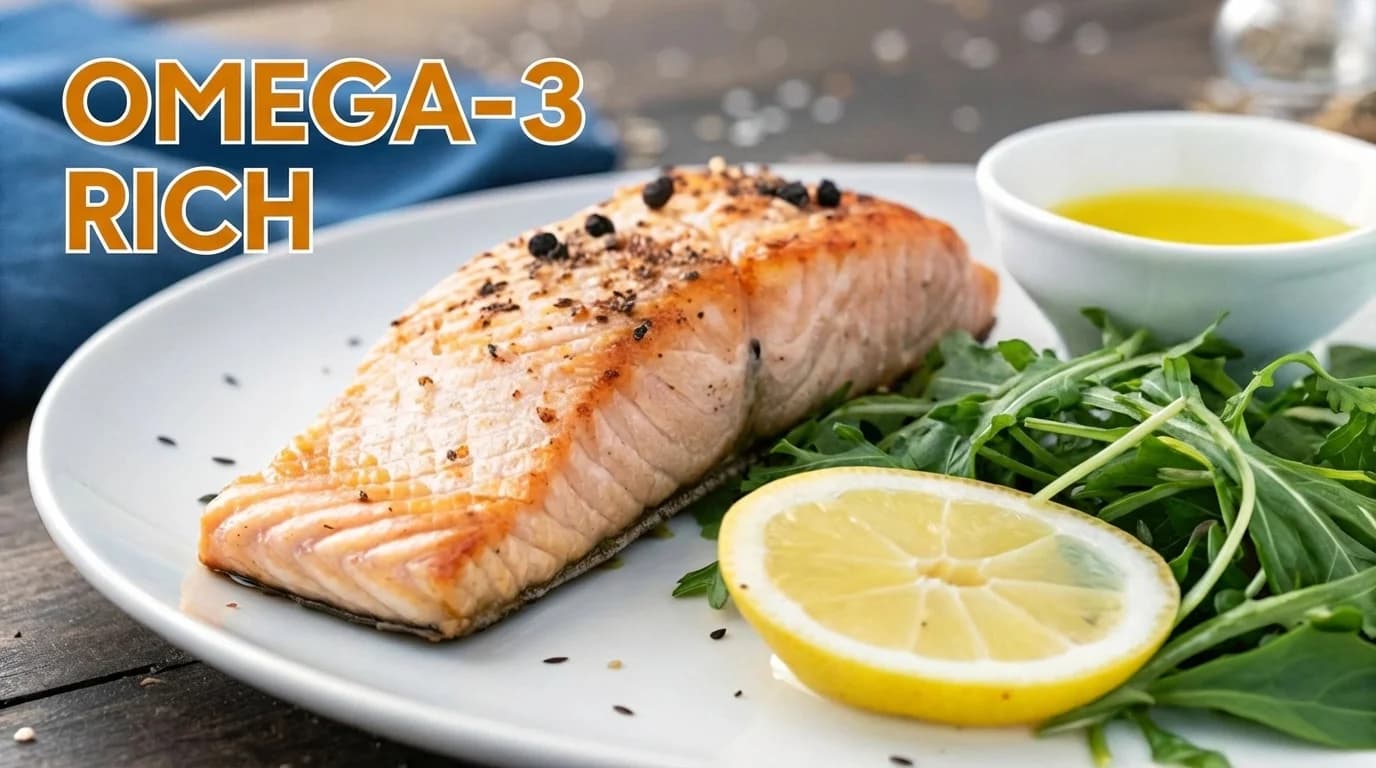
The omega-3 to omega-6 ratio in wild-caught fish is genuinely better than most other keto proteins. That matters because most Western diets are already heavy on omega-6 from seed oils, and keto doesn't automatically fix that unless you're choosing your fats carefully.
Macros per 3.5 oz (100g)
| Fish | Net carbs | Protein | Fat |
|---|---|---|---|
| Wild-caught salmon | 0g | 20g | 13g |
| Atlantic mackerel | 0g | 18g | 25g |
| Sardines in olive oil | 0g | 25g | 11g |
| Tuna steak | 0g | 23g | 5g |
| Rainbow trout | 0g | 21g | 6g |
Tips that actually help
- Canned sardines and tuna are the fastest keto lunch there is. Mix with avocado-oil mayo and eat straight from the can or in lettuce cups.
- Frozen salmon fillets are often cheaper than fresh and cook from frozen in an air fryer in about 12 minutes.
- Finish cooked fish with butter, olive oil, or a herb compound butter to boost fat content and cover your fat macro for the meal.
- Two to three servings per week is a realistic target. Monday salmon, Thursday sardine salad is a pattern that's easy to stick to.
2. Leafy green vegetables
Leafy greens have almost no net carbs, which means you can eat large portions without worrying about ketosis. That's the main reason they earn a spot here. But they also cover micronutrients — potassium, magnesium, vitamin K, folate — that keto diets can run low on, especially in the first few weeks when water and electrolytes are shifting.
The fiber in leafy greens also slows digestion and keeps you full, which helps manage the hunger that some people feel before they're fully fat-adapted.
Macros (raw, unless noted)
| Vegetable | Serving | Net carbs | Notes |
|---|---|---|---|
| Spinach | 1 cup | 0.4g | Great in eggs and smoothies |
| Arugula | 1 cup | 0.4g | Pairs well with olive oil and parmesan |
| Romaine | 1 cup shredded | 0.6g | Solid wrap substitute |
| Swiss chard (cooked) | 1 cup | 3g | Higher carbs — watch portions |
| Kale (chopped) | 1 cup | 5g | Higher — use in smaller amounts |
Practical uses
- Use a mix of spinach and arugula as the base for a high-fat salad. Top with olive oil vinaigrette, a hard-boiled egg, and whatever protein you have.
- Wilt a big handful of spinach in butter with garlic. Takes two minutes and pairs with anything.
- Large romaine or butter lettuce leaves work well as taco shells or burger wraps if you want to skip the carb substitutes.
- Kale is higher in net carbs than spinach — it's fine in small amounts, but it's not a "eat as much as you want" green the way spinach is.
3. High-fat dairy
Cheese, heavy cream, butter, and cream cheese are central to how most people hit their fat macros on keto. They're convenient, they add flavor, and most of them are genuinely low in carbs. Full-fat Greek yogurt is on the list too, though it has more carbs than the others and needs to be measured.
One thing worth knowing: some people find that dairy stalls weight loss even when it fits the macros. If you've been eating keto for a few weeks and progress has plateaued, cutting dairy for two weeks is one of the standard troubleshooting moves.
Macros
| Item | Serving | Net carbs | Protein | Fat |
|---|---|---|---|---|
| Cheddar cheese | 1 oz (28g) | <1g | 7g | 9g |
| Heavy whipping cream | 1 tbsp | <1g | 0g | 5g |
| Cream cheese | 1 oz (28g) | 1g | 2g | 10g |
| Full-fat Greek yogurt | 3.5 oz (100g) | 4g | 9g | 5g |
| Grass-fed butter | 1 tbsp (14g) | 0g | 0g | 12g |
Tips
- Always buy full-fat. Low-fat dairy often has added sugars to compensate for the flavor loss.
- Check labels on flavored yogurts and processed cheese products — hidden sugars are common.
- Heavy cream in coffee is one of the easiest ways to add fat to your morning without any prep.
- Grass-fed butter has a better fatty acid profile than conventional, but regular butter is still keto-compliant if budget is a concern.
4. Eggs
Eggs are the most useful food on keto. Less than 1g of carbs per egg, 6g of protein, 5g of fat, and they work for every meal. Scrambled for breakfast, hard-boiled for lunch, fried over vegetables for dinner. The yolk contains most of the fat, vitamins, and the choline that most people don't get enough of.
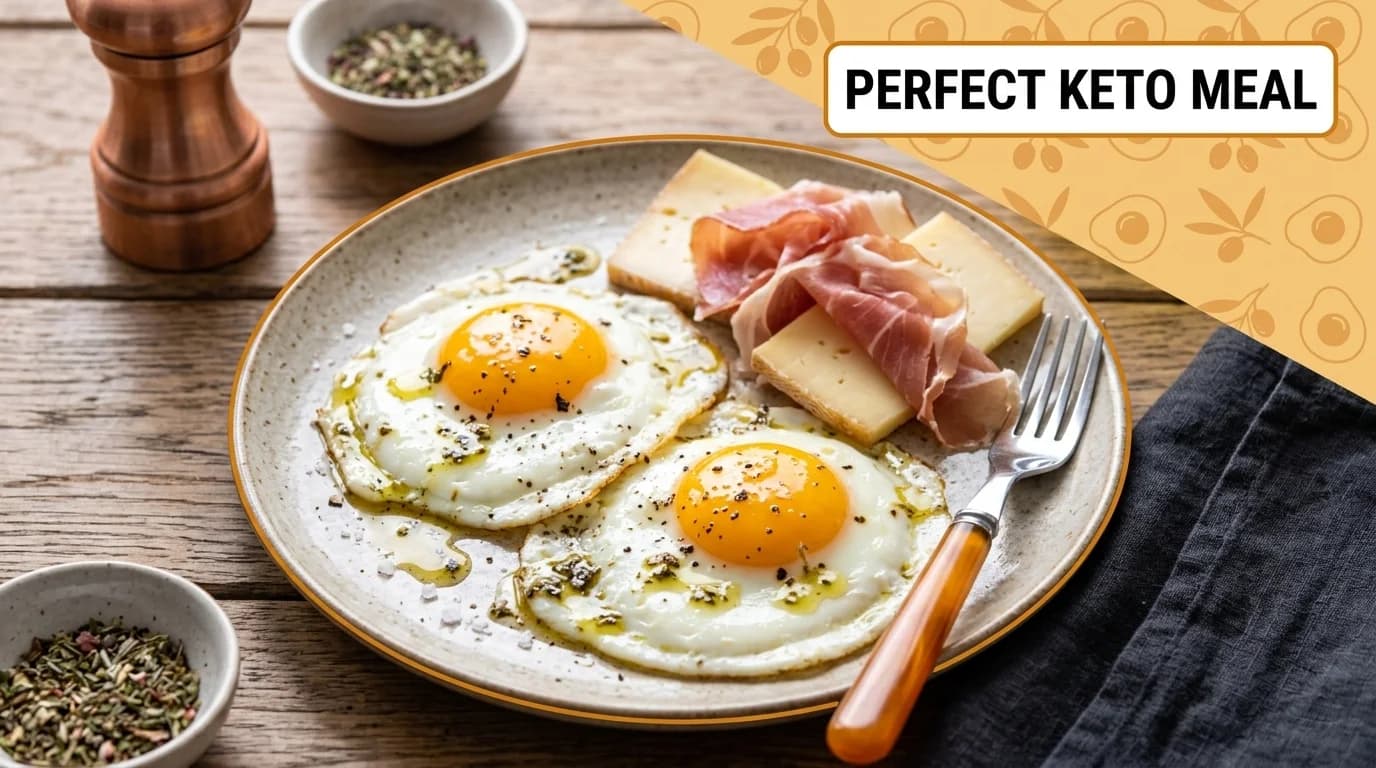
Common egg preparations with macros
| Preparation | Net carbs | Protein | Fat |
|---|---|---|---|
| One large whole egg | <1g | 6g | 5g |
| Scrambled, 2 eggs + 1 tbsp butter | 1g | 12g | 21g |
| Egg muffin (typical, 1 muffin) | 1g | 9g | 10g |
| Deviled eggs (2 halves) | <1g | 6g | 11g |
| Frittata slice (1/6 of 6-egg frittata) | 2g | 12g | 15g |
Tips
- Hard-boil a dozen eggs on Sunday. They keep for a week in the fridge and solve the "what do I eat for lunch" problem every day.
- Pasture-raised eggs have a better omega-3 profile than conventional, but any egg is keto-compliant.
- Don't skip the yolk. Egg-white-only cooking is for people chasing very high protein. On keto you want the fat.
- Egg muffins with cheese and vegetables baked in a muffin tin freeze well and reheat in 90 seconds. Worth the batch-cook time.
5. Nuts and seeds
Nuts and seeds are useful for snacking and adding texture, but they're easy to overeat. A small handful looks like nothing and can be 200+ calories with 3–5g of net carbs. Track them, at least in the beginning.
The lowest-carb options are macadamia nuts and pecans. Almonds and walnuts are fine in reasonable portions. Cashews are deceptively high in carbs — a 1 oz serving has about 8g net carbs, which is almost half a day's budget for strict keto.
Macros per 1 oz (28g)
| Nut / Seed | Net carbs | Protein | Fat | Keto rating |
|---|---|---|---|---|
| Macadamia nuts | 1g | 2g | 21g | Best choice |
| Pecans | 1g | 3g | 20g | Best choice |
| Flaxseeds (ground) | 0g | 5g | 12g | Excellent |
| Chia seeds | 1g | 5g | 9g | Excellent |
| Almonds | 3g | 6g | 14g | Good — watch portions |
| Walnuts | 2g | 4g | 18g | Good |
| Cashews | 8g | 5g | 12g | Use sparingly |
Tips
- Pre-portion into small containers or bags. Eating directly from a large bag is a reliable way to go over your carb limit without realizing it.
- Buy raw or dry-roasted without added ingredients. Honey-roasted or spiced varieties often have hidden sugars.
- Ground flaxseed stirred into yogurt or a smoothie adds fiber and omega-3s with almost zero net carbs.
- Nut butters work if you make your own or buy ones with one ingredient listed. Commercial nut butters frequently add sugar.
6. Non-starchy cruciferous vegetables
Broccoli, cauliflower, Brussels sprouts, cabbage — these are the workhorses of keto cooking. Low in net carbs, high in fiber and vitamins C and K, and versatile enough to replace pasta, rice, and potato-based dishes.
Cauliflower alone can become rice, mashed "potatoes," pizza crust, or soup base. It doesn't taste exactly like the original, but it's close enough that most people adjust within a week or two.
Macros
| Vegetable | Serving | Net carbs | Fiber |
|---|---|---|---|
| Broccoli, chopped | 1 cup (91g) | 3.6g | 2.4g |
| Cauliflower, chopped | 1 cup (107g) | 3.2g | 2.1g |
| Brussels sprouts | 1 cup (88g) | 5.5g | 3.3g |
| Cabbage, shredded | 1 cup (89g) | 3g | 2.2g |
| Radishes, sliced | 1 cup (116g) | 2g | 1.9g |
Tips
- Roast broccoli or Brussels sprouts at 425°F with olive oil and salt. The caramelization makes them significantly better than steamed.
- Riced cauliflower from frozen is one of the more genuinely useful keto shortcuts. It cooks in five minutes and saves time compared to ricing a whole head yourself.
- Cabbage fried with butter and garlic is a decent noodle substitute for Asian-style dishes — cheaper than shirataki noodles and arguably better.
- Radishes roasted in butter taste surprisingly similar to potatoes. Worth trying if you're missing that starchy texture.
7. Oils and high-fat condiments
On keto, fat is most of your calories. Oils and condiments are how you hit that number without eating an unreasonable amount of food. They're also how you make low-carb vegetables actually taste good.
Quality matters here more than in most food categories. Extra virgin olive oil is a genuinely different product from "olive oil" — it has higher polyphenol content and a better flavor profile. MCT oil skips the normal fat digestion pathway and converts directly to ketones, which some people find helps with energy during the adaptation period.
Macros per tablespoon
| Fat source | Net carbs | Fat | Best use |
|---|---|---|---|
| Extra virgin olive oil | 0g | 14g | Dressings, low-heat cooking, finishing |
| Avocado oil | 0g | 14g | High-heat cooking, frying |
| Coconut oil | 0g | 14g | Baking, medium-heat cooking |
| MCT oil | 0g | 14g | Coffee, smoothies (not for cooking) |
| Grass-fed butter / ghee | 0g | 11–12g | All-purpose cooking and finishing |
| Avocado-oil mayonnaise | 0g | 11g | Dips, dressings, egg salad |
Tips
- Match oil to cooking temperature. Extra virgin olive oil breaks down at high heat — use avocado oil or ghee for searing and frying.
- If you're new to MCT oil, start with one teaspoon and build up over a week. Going straight to a tablespoon causes digestive issues for most people.
- Store oils in a dark cool place. Light and heat cause oxidation, which degrades both flavor and nutritional quality.
- Check mayonnaise labels. Many major brands still use soybean oil. Avocado-oil mayo is widely available now and worth the slight price difference.
8. Meat and poultry
Zero carbs, complete protein, and fat that varies by cut — meat fits keto well. The fattier cuts are generally more useful because they help meet fat macros without relying entirely on added oils. Chicken breast is technically fine but so lean that you'll need to add significant fat through cooking, while chicken thighs solve that problem on their own.
Grass-fed beef and pasture-raised chicken have a slightly better fatty acid profile than conventional, including higher CLA content, but the difference isn't dramatic enough to make conventional meat a problem. It's more of an "if budget allows" consideration.
Macros per 3.5 oz (100g), cooked
| Meat | Net carbs | Protein | Fat |
|---|---|---|---|
| Ribeye steak | 0g | 29g | 15g |
| Pork belly | 0g | 9g | 53g |
| Chicken thigh, skin on | 0g | 24g | 16g |
| Ground lamb (80/20) | 0g | 26g | 17g |
| Duck breast, skin on | 0g | 19g | 28g |
Tips
- Keep protein moderate. Keto is not a high-protein diet. Aim for roughly 4–6 oz of meat per meal, not a 12 oz steak twice a day.
- Bone broth from leftover carcasses or bones provides collagen, electrolytes, and essentially zero carbs. Useful for the early weeks when electrolyte loss is highest.
- Bacon is keto-compatible but often contains added sugar in the cure. Check the label — many brands have 1–2g of carbs per serving from sugar.
- Organ meats (liver, heart, kidneys) are some of the most nutrient-dense keto foods available and are usually cheap. Worth experimenting with if you haven't already.
9. Avocados and low-sugar fruits
Most fruit is off the table on keto. A single banana has 23g of net carbs. A cup of grapes is about 26g. But a few exceptions exist: avocados, olives, and berries in small amounts.
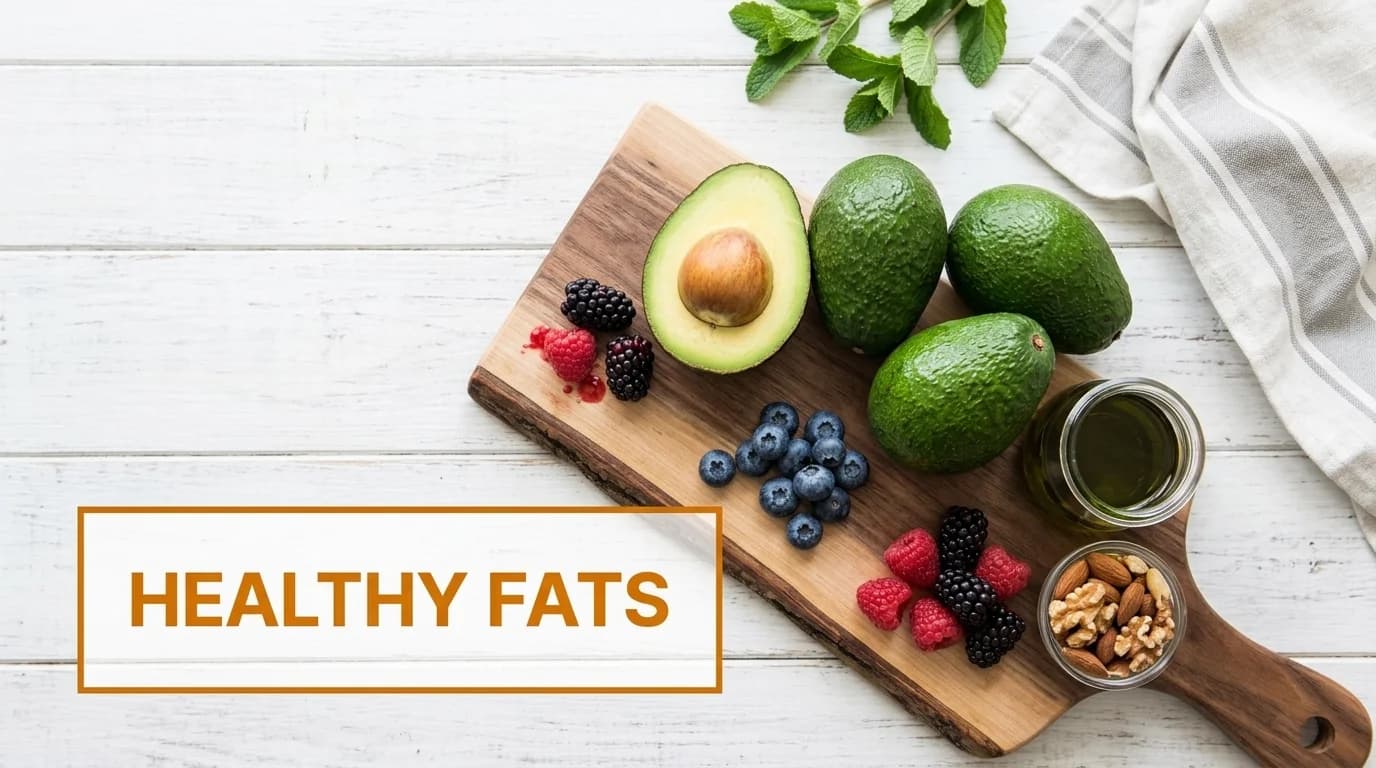
Avocados are the real standout. Half an avocado has only 2g of net carbs and provides 15g of monounsaturated fat along with a meaningful dose of potassium and magnesium — electrolytes that tend to drop on keto.
Keto-friendly fruits and their macros
| Food | Serving | Net carbs | Fat | Notes |
|---|---|---|---|---|
| Hass avocado | Half (100g) | 2g | 15g | Daily staple |
| Blackberries | 1/2 cup (72g) | 3.1g | 0.4g | Lowest-carb berry |
| Raspberries | 1/2 cup (62g) | 3.3g | 0.4g | Good in moderation |
| Olives (black) | 10 large (34g) | 1g | 3.6g | Easy snack |
| Coconut meat (shredded) | 1/2 cup (40g) | 2.5g | 13.3g | Unsweetened only |
Tips
- Avocados ripen at room temperature. Refrigerating them once ripe slows down the process by a couple of days.
- Mash and freeze ripe avocados in ice cube trays with a squeeze of lime. Useful for smoothies when fresh avocados aren't available.
- A simple snack: half an avocado with salt and a drizzle of olive oil. Takes 30 seconds and covers a meaningful chunk of your fat macro.
- Berries work better as a topping (on yogurt or a small dessert) than as a snack eaten by the bowl — portion control is easier that way.
10. Sweeteners and sugar substitutes
You can have sweet foods on keto. What you can't have is sugar, which spikes insulin and disrupts ketosis. Keto-friendly sweeteners get around this by being either non-caloric or metabolized differently from glucose.
Erythritol and monk fruit are the most reliable. They don't cause the insulin response that regular sugar does, and most people tolerate them without digestive issues. Xylitol is also low-glycemic but causes gastrointestinal problems at higher doses in some people — and is toxic to dogs, which is worth knowing if you're baking with it.
Common keto sweeteners
| Sweetener | Net carbs (per tsp) | Glycemic index | Notes |
|---|---|---|---|
| Erythritol | 0g | 0 | Best for baking, minimal aftertaste |
| Monk fruit | 0g | 0 | Very sweet — use less than sugar |
| Allulose | 0g | 0 | Closest to sugar in texture and taste |
| Stevia | 0g | 0 | Bitter aftertaste for some people |
| Xylitol | 4g (not counted as net by many) | 7 | GI side effects at high doses; toxic to dogs |
Tips
- Erythritol + monk fruit blends are common for a reason. They balance out each other's weaknesses and produce a cleaner flavor than either alone.
- Allulose performs the best in baked goods — it caramelizes like sugar and doesn't crystallize in the fridge the way erythritol does.
- Start with half the amount the recipe calls for and adjust. These sweeteners vary in intensity and concentration.
- Using sweeteners every day tends to keep sugar cravings active. They're most useful for occasional treats, not a daily habit.
Foods to avoid on keto
Just as useful as knowing what to eat is knowing what to cut. These categories are the ones that knock people out of ketosis most often:
| Food category | Examples | Why it's a problem |
|---|---|---|
| Grains and bread | Bread, pasta, rice, oats, cereal | 25–45g net carbs per serving |
| Sugar and sweets | Candy, cookies, cake, ice cream, soda | Rapid glucose and insulin spike |
| Most fruit | Bananas, grapes, mangoes, apples, oranges | 20–30g net carbs per serving |
| Legumes | Beans, lentils, chickpeas, peanuts | 15–25g net carbs per cup |
| Starchy vegetables | Potatoes, sweet potatoes, corn, peas, beets | High starch content disrupts ketosis |
| Sweetened drinks | Juice, sports drinks, sweetened coffee | Liquid carbs absorb quickly |
| Most condiments | Ketchup, BBQ sauce, teriyaki, honey mustard | Often 5–15g of sugar per serving |
A day of eating on keto
Here's what a realistic keto day looks like using foods from this list. No exotic ingredients, no complicated recipes — just practical eating.
Breakfast: Three scrambled eggs cooked in butter with a handful of spinach wilted in the pan. Half an avocado with salt on the side. Coffee with a splash of heavy cream.
Estimated macros: ~500 cal, 3g net carbs, 23g protein, 43g fat
Lunch: Large arugula salad with a drained can of sardines in olive oil, 10 olives, a tablespoon of olive oil with red wine vinegar, salt, and pepper.
Estimated macros: ~420 cal, 2g net carbs, 28g protein, 33g fat
Snack: 1 oz macadamia nuts and 2 oz cheddar cheese.
Estimated macros: ~280 cal, 2g net carbs, 9g protein, 25g fat
Dinner: Pan-seared chicken thighs (skin on) with a side of broccoli roasted in avocado oil and garlic. Finished with a pat of grass-fed butter on the broccoli.
Estimated macros: ~650 cal, 6g net carbs, 46g protein, 48g fat
Daily total: ~1,850 calories, 13g net carbs, 106g protein, 149g fat
That's a solid keto day — under 20g net carbs, fat at roughly 72% of calories, protein moderate. No tracking app required once you know the patterns, but if you're just starting out, use the macro calculator to set your personal targets first.
Building a weekly keto plan
The hardest part of keto isn't the first day — it's week three when you're bored and reaching for something familiar. Planning ahead solves that problem before it starts.
A few things that make weekly keto planning easier:
- Pick two or three protein anchors for the week (salmon, chicken thighs, ground beef) and build meals around them rather than trying to cook something different every night.
- Batch-cook at the weekend. Hard-boil a dozen eggs, roast a tray of broccoli and Brussels sprouts, and portion out nuts into small containers.
- Keep the fridge stocked with three or four grab-and-go options — hard-boiled eggs, sliced cheese, olives, a container of leftover meat — so hunger doesn't lead to bad decisions.
- Use the meal from fridge tool when you have random keto ingredients and need a quick recipe idea that fits your macros.
If you want a full 7-day plan generated to your specific calorie and macro targets, Kitchendary's AI meal planner builds one in about 60 seconds based on your preferences, goals, and dietary needs — including keto.
Common keto mistakes to avoid
- Tracking total carbs instead of net carbs — fiber doesn't spike blood sugar, so you subtract it
- Not eating enough fat — keto only works when fat replaces carbs as the primary fuel source
- Forgetting electrolytes — sodium, potassium, and magnesium all drop in the early weeks, causing the "keto flu"
- Eating too much protein — excess protein can be converted to glucose, which can slow or prevent ketosis
- Assuming "keto products" are fine — many packaged keto snacks have significant net carbs or use sweeteners that affect some people's blood sugar
FAQ
How many carbs can I eat on keto?
Most people need to stay under 20–50g of net carbs per day to reach and maintain ketosis. Net carbs = total carbs minus fiber. Stricter keto protocols aim for 20g or less, especially in the first few weeks. Once you're keto-adapted, some people can stay in ketosis at the higher end of that range.
What is the difference between total carbs and net carbs?
Net carbs are total carbs minus dietary fiber (and sometimes sugar alcohols). Fiber isn't digested and doesn't raise blood sugar, so it doesn't count toward your keto limit. A food with 10g total carbs and 4g fiber has 6g net carbs — that's the number that matters on keto.
Can I eat fruit on a keto diet?
Most fruit is too high in sugar for keto. Berries are the exception — strawberries, raspberries, and blackberries are relatively low in net carbs and can fit in small portions. Avocados are technically a fruit and are one of the best keto foods available. Bananas, grapes, mangoes, and most tropical fruits are off the list.
What is the keto flu and how do I avoid it?
Keto flu refers to the fatigue, headaches, brain fog, and irritability that some people experience in the first week or two as the body transitions to burning fat. It's largely caused by electrolyte loss — the kidneys excrete more sodium when insulin drops. Drinking plenty of water, salting your food, eating potassium-rich keto foods (avocado, leafy greens), and supplementing magnesium helps significantly.
Is keto safe long term?
Research on long-term keto is still developing, but it's well-tolerated by most healthy adults for months to years. People with diabetes, kidney disease, or certain metabolic conditions should consult a doctor before starting. The main practical concern is nutrient completeness — a varied keto diet covering multiple food groups (vegetables, quality fats, diverse proteins) is much safer than a narrow one.
Can I drink alcohol on keto?
Spirits (vodka, gin, whiskey, tequila) have zero carbs and are technically keto-compatible. Dry wines have 2–4g net carbs per glass. Beer is generally too high in carbs. However, alcohol slows ketosis because the liver prioritizes metabolizing alcohol over producing ketones. It also lowers inhibitions around food choices, which is a practical concern worth noting.