Hitting your protein targets consistently matters for building muscle, losing fat, and recovering between sessions. The problem is that cooking from scratch every day takes time most people don't have. Good meal prep solves this without forcing you to eat the same plain chicken and rice for seven days straight. When it works, your fridge is stocked with food that actually tastes good, and you stop spending mental energy every evening figuring out what to eat. Having a solid meal plan for gaining muscle makes a real difference in hitting weekly nutrition targets.
This guide covers 8 meal prep strategies used by athletes and nutrition-conscious cooks. Each includes the reasoning behind why it works, practical prep tips, and enough macronutrient context to fit the approach into your own targets. Whether you're prepping for a competition or just trying to eat better during the week, these methods are flexible enough to stick with.
1. Grilled Chicken Breast with Rice and Vegetables
This combination has stayed popular for good reason: it's simple, predictable, and easy to adjust. Lean grilled chicken breast, rice, and a mix of vegetables hit protein, carbohydrates, and micronutrients in a single container. It works for bodybuilders in a cut, busy professionals eating at their desks, and everyone in between.
Why It Works
Chicken breast delivers a high amount of lean protein per calorie, which matters when you're tracking macros. Brown rice provides slow-digesting carbohydrates that hold energy levels steady, while vegetables like broccoli, bell peppers, and asparagus round out the meal with vitamins, minerals, and fiber. This balance makes it a natural fit for IIFYM and similar approaches where macro precision is the goal.
Implementation and Pro Tips
Getting flavor and consistency right is what makes this a meal you'll actually keep eating:
- Master the Chicken:Use a meat thermometer to pull chicken at 165°F so it's safe without drying out. A simple marinade of olive oil, lemon juice, garlic, and herbs makes a notable difference. If you cook on a flat-top grill, proper seasoning and care keeps the surface cooking evenly; take a few minutes to review general griddle care tips before your first session.
- Upgrade Your Grains:Cook brown rice in bone broth instead of water. It adds a savory depth and contributes extra protein and collagen with almost no additional effort.
- Prevent Flavor Fatigue:Prep a few low-calorie sauces to rotate through. A small container of salsa, sriracha, or a yogurt-based dip keeps the same base meal feeling different each day. Store portions in glass containers so reheating is straightforward.
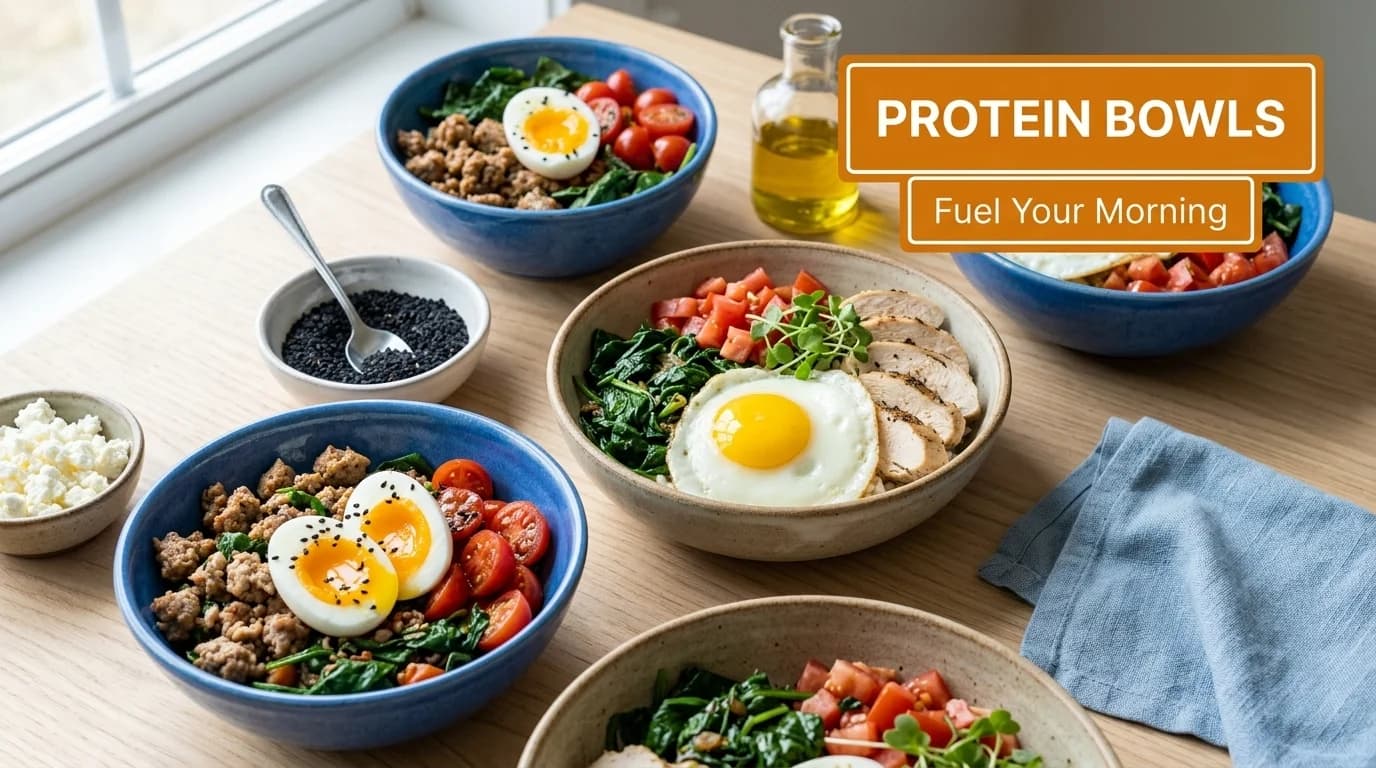
2. Egg-Based Breakfast Bowls
Starting the day with a protein-heavy meal helps control appetite and supports muscle maintenance throughout the day. These breakfast bowls combine whole eggs with vegetables, lean meats, and cheese into a portable, filling first meal. A typical serving lands between 24 and 36 grams of protein, which makes a meaningful dent in your daily totals before lunch.
Why It Works
Eggs contain all nine essential amino acids, making them a complete protein source. Pairing them with fiber-rich vegetables like spinach and bell peppers keeps you full well past breakfast. This format fits naturally into Paleo, ketogenic, and intermittent fasting approaches, where the first meal of the day needs to be substantial enough to carry you through several hours without snacking.
Implementation and Pro Tips
Making these bowls practical and worth repeating takes a bit of planning up front:
- Batch Cook Efficiently:For large batches, whisk your eggs and pour them onto a parchment-lined sheet pan. Bake until set, then cut the baked egg into squares or use a round cutter to create patties. This is far faster than scrambling multiple small batches.
- Boost Protein and Creaminess:Mix low-fat cottage cheese into your egg mixture before baking. It adds a creamy texture and increases protein content without adding much fat.
- Freeze for the Future:These breakfast bowls freeze well. Portion individual servings into muffin tins or silicone molds, freeze them solid, and then transfer them to a freezer bag. They keep for up to two months and reheat quickly in a microwave.
3. Ground Turkey or Beef Meal Prep Bowls
Ground meat bowls are a practical choice for high-protein meal prep because they're fast, inexpensive, and genuinely flexible. A large batch of ground turkey or beef can become taco bowls, Mediterranean quinoa dishes, or Asian-style rice plates without much extra work. This approach is popular with fitness communities and busy households alike because it cuts active cooking time while giving you real variety across the week.
Why It Works
The core idea is cook once, eat several different ways. Ground meat browns quickly and evenly, so large batches are realistic even on a Sunday afternoon. Lean options like 93/7 ground turkey or grass-fed beef deliver high-quality protein with controlled fat. Because the flavor of cooked ground meat is relatively neutral, it absorbs different seasonings well, letting you create distinct meals from one base batch without much additional effort.
Implementation and Pro Tips
A few habits make batch ground meat prep consistently better:
- Batch Cook and Drain:Brown your meat in batches rather than crowding the pan, which keeps it from steaming. Once cooked, transfer it to a colander and rinse with hot water to remove excess grease. This reduces overall calorie and fat content without sacrificing texture.
- Divide and Conquer Flavor:Season the full batch simply with salt, pepper, and garlic powder during cooking. Then split the cooked meat into separate containers and add meal-specific seasonings. Cumin and chili powder for a taco bowl, oregano and lemon juice for a Greek-style dish.
- Choose Your Base Wisely:This protein base pairs well with almost anything. Cauliflower rice works for lower-carb goals, quinoa adds fiber and completes the amino acid profile, and sweet potato provides complex carbohydrates. This adaptability makes it a practical solution across different dietary goals.
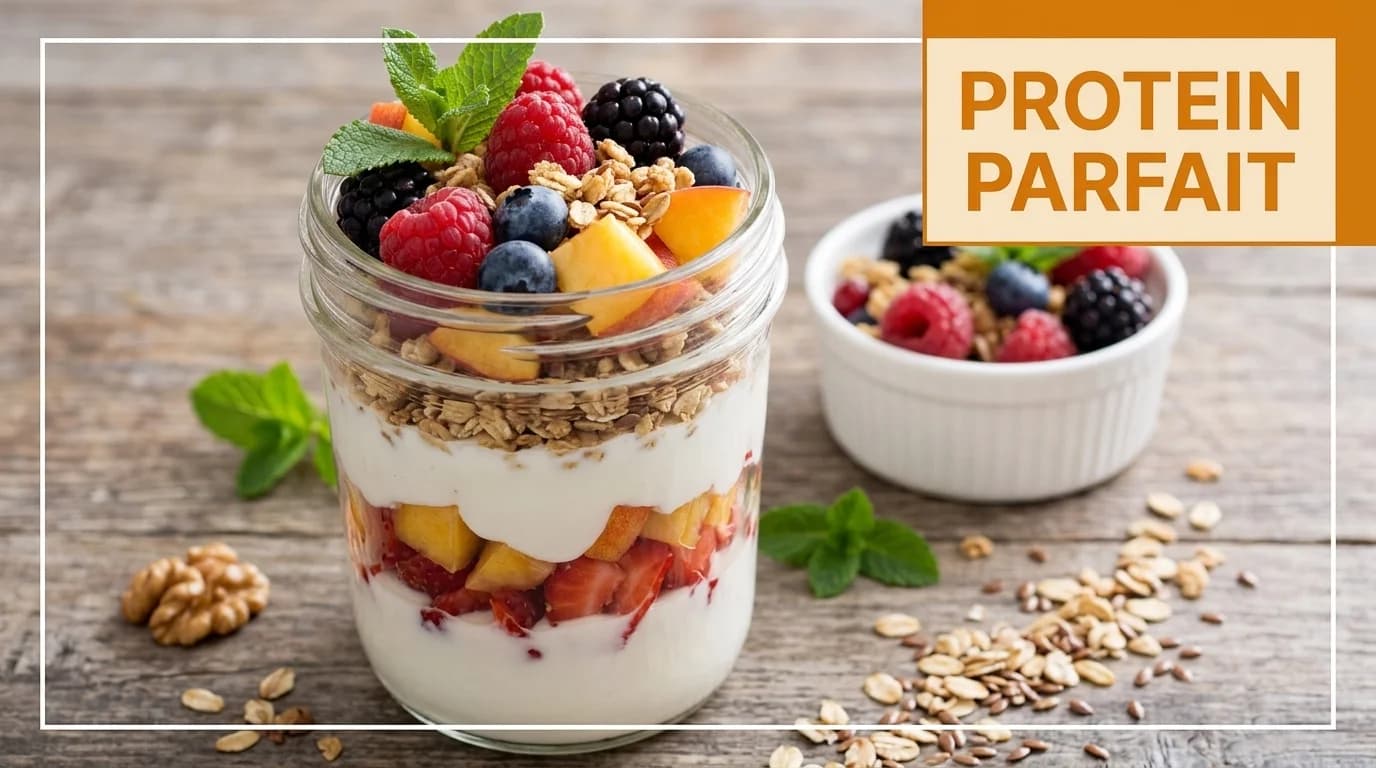
4. Greek Yogurt Protein Parfaits and Bowls
Greek yogurt bowls and parfaits require no cooking, which makes them one of the more convenient high-protein options around. They work as a quick breakfast, a post-workout snack, or a light lunch. Combining protein-dense Greek yogurt with fruit, granola, and nuts or seeds takes minutes and covers protein, carbohydrates, and fat in a single bowl. It suits anyone who needs a fast, macro-friendly option without turning on the stove.
Why It Works
Greek yogurt is high in casein protein, which digests slowly and keeps hunger down longer than fast-digesting sources. Paired with fruit and honey for quick energy and granola for complex carbohydrates, it covers multiple nutrient needs in one bowl. This combination fits well into high-protein vegetarian eating patterns. For more ideas around dairy-based proteins, you'll find structured vegetarian meal plans worth exploring.
Implementation and Pro Tips
Keeping parfaits fresh and worth eating all week comes down to a few details:
- Prevent Soggy Granola:Store granola, nuts, and seeds in a separate small container or dedicated compartment. Add them just before eating to keep the texture you want.
- Boost the Protein:Mix a scoop of protein powder (whey, casein, or plant-based) directly into the Greek yogurt. Vanilla or unflavored varieties blend in cleanly, and this can push a single serving past 40 grams of protein.
- Layer for Grab-and-Go:Use mason jars for portable parfaits. Put sturdy fruit like blueberries or chopped strawberries at the bottom, add the yogurt, then top with more fruit. This keeps the yogurt from making the fruit mushy and holds up well through the week.
- Choose Full-Fat Yogurt:Full-fat or 2% Greek yogurt has better flavor and keeps you fuller longer than non-fat versions. The additional fat also helps with absorption of fat-soluble vitamins.
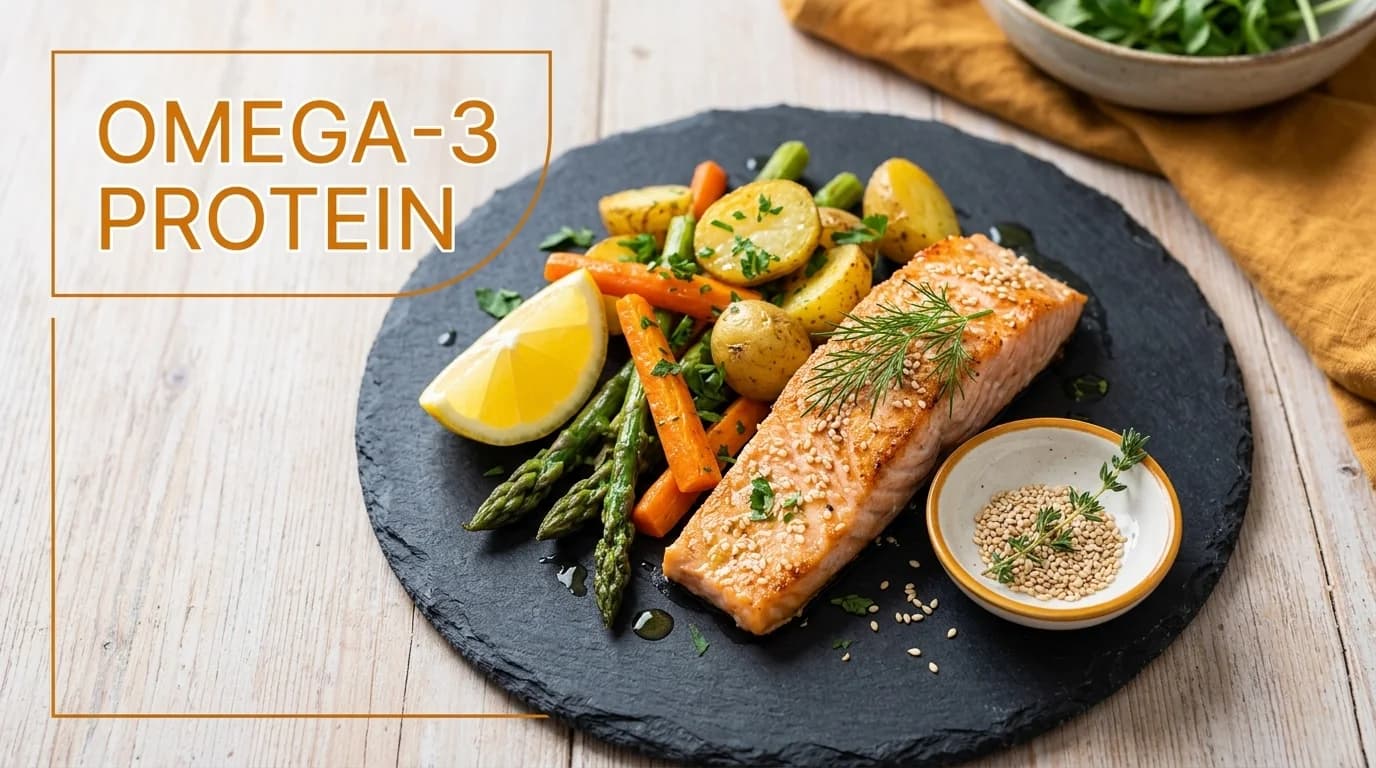
5. Baked Salmon and Fish Meal Prep
Fish gives you high-quality protein alongside essential omega-3 fatty acids, which most other meal prep proteins don't provide. Fatty fish like salmon and leaner options like cod or tilapia deliver 25 to 30 grams of protein per 100g serving. Beyond the protein, omega-3s support cardiovascular health, brain function, and help manage exercise-induced inflammation. This makes fish a solid choice for anyone following anti-inflammatory protocols or diets known for their long-term health benefits.
Why It Works
Protein supports muscle repair and growth, while omega-3s reduce post-exercise soreness, which together make fish a practical recovery meal. Its place in dietary patterns like the Mediterranean diet, which experts including Dr. Andrew Weil have written about at length, reflects its long-term health value. If you want to build this into a broader eating structure, a Mediterranean-style meal plan is a good reference point.
Implementation and Pro Tips
Fish needs slightly more care than chicken or beef during prep and storage, but the process is straightforward:
- Simplify Cleanup and Cooking:Line baking sheets with parchment paper before placing the fish. This prevents sticking and makes cleanup nearly instantaneous. Cook salmon with the skin on for better flavor and nutrient retention.
- Flavor without Calories:A simple rub of minced garlic, fresh dill, salt, pepper, and a generous squeeze of lemon juice is all you need. This approach avoids heavy, calorie-dense sauces while keeping the fish flavorful.
- Smart Storage:Once cooked and cooled, store portions in airtight glass containers. Place a fresh slice of lemon on top of the fish before sealing to neutralize odors in the refrigerator. Pair with roasted sweet potatoes and asparagus for a complete meal.
6. Cottage Cheese-Based Protein Meals
Cottage cheese doesn't get enough attention as a meal prep option. It's high in casein protein, inexpensive, and works equally well in sweet or savory preparations. Use it as a quick snack, a light meal, or a pre-bedtime option specifically chosen to support overnight muscle recovery. Its slow-digesting protein makes it a practical choice when you need sustained amino acid availability without another full cooked meal.
Why It Works
Cottage cheese is dense in casein, which forms a gel in the stomach and releases amino acids gradually into the bloodstream. This slower delivery helps limit muscle breakdown during long gaps between meals, particularly overnight. Bodybuilders and coaches like Layne Norton have pointed to the research on casein's role in muscle preservation, and cottage cheese is one of the most accessible whole-food sources of it.
Implementation and Pro Tips
Adding cottage cheese to your routine is simple, and there's enough variety to keep it interesting:
- Go Sweet or Savory:For a sweet option, mix a cup of cottage cheese with berries, cinnamon, and a few chopped nuts. For savory, combine it with Everything Bagel seasoning, chopped cucumber, and cherry tomatoes for a refreshing, protein-rich snack.
- Adjust the Texture:If the curd texture isn't appealing, blend cottage cheese until smooth. This creamy base works in smoothies, as a vegetable dip, or as a high-protein substitute for sour cream or mayonnaise.
- Time It Right:Eating cottage cheese 30 to 60 minutes before sleep gives the casein time to begin releasing amino acids through the night. Check labels for lower-sodium options if you're managing overall intake.
7. Slow Cooker and Instant Pot Protein Stews
Slow cookers and Instant Pots make it realistic to produce a week's worth of protein-rich stews with very little hands-on time. Combining lean meats, legumes, and vegetables turns budget-friendly cuts into tender, filling meals in large batches. The yield per session is high and the active effort is low, which makes this method well-suited to busy households or anyone cooking solo who wants meals ready without a lot of daily fuss.
Why It Works
The low-and-slow cooking process breaks down connective tissue in cuts like beef chuck or chicken thighs, making them tender without losing protein content. A single session can produce 8 to 10 servings, which makes this one of the more efficient batch-cooking methods available. Combining meat with legumes covers the full amino acid spectrum, and the vegetables add fiber and micronutrients to what would otherwise be a protein-only meal.
Implementation and Pro Tips
A few habits improve both flavor and efficiency in slow-cooker prep:
- Build a Flavor Foundation:Browning meat before adding other ingredients deepens the flavor through the Maillard reaction. Use low-sodium broth to control salt content, and don't hold back on herbs and spices, which add flavor without calories.
- Optimize Tenderness and Texture:For the most tender results in a slow cooker, use the low setting for 8 hours rather than high for 4. Add legumes like kidney or black beans during the final 30 to 45 minutes to prevent them from turning mushy.
- Smart Portioning for Longevity:Freeze stew in individual portions for flexibility. Use large silicone ice cube trays to freeze single servings, then transfer the frozen portions to a freezer bag. This lets you thaw exactly what you need without opening a full container.
8. Protein Powder-Enhanced Meal Prep Items
Protein powder is a straightforward way to raise the protein content of foods that aren't naturally protein-dense. Mixing whey, casein, or plant-based protein into oatmeal, pancake batter, or energy balls adds 25 to 35 grams of quality protein per serving. This approach is practical for anyone trying to hit high protein targets without eating large volumes of meat at every meal.
Why It Works
Protein powders absorb easily and blend into everyday foods without changing the texture much when done well. This gives your meal prep more variety since you can fortify foods you already enjoy rather than adding another chicken dish. It's particularly useful for breakfast and snacks, where whole protein sources are harder to fit in. Precise macro tracking is also easier when you know the protein content of each scoop.
Implementation and Pro Tips
Success with protein powder in meal prep comes down to getting the texture right and picking compatible flavors:
- Boost Your Breakfast:Mix a scoop of vanilla or chocolate protein powder into overnight oats. For a smoother result, blend the powder with your milk of choice before adding it to the oats. You can also batch-make protein pancakes using a simple base of 1 cup oats, 1 scoop protein powder, and eggs.
- Smart Snacking:Make no-bake protein energy balls by combining protein powder, nut butter, oats, and a small amount of honey or maple syrup. Roll into balls and refrigerate for a quick, high-protein snack that holds together well through the week.
- Stack Your Protein:For a high-protein dish with minimal effort, mix unflavored or vanilla protein powder into Greek yogurt. This combination can reach over 40 grams of protein per serving, making it a reliable post-workout option.
8-Item High-Protein Meal Prep Comparison
| Item | Implementation Complexity | Resource Requirements | Expected Outcomes | Ideal Use Cases | Key Advantages |
|---|---|---|---|---|---|
| Grilled Chicken Breast with Rice and Vegetables | Moderate — batch-cooking skills, timing for rice and protein | Basic kitchen gear (grill/oven, rice cooker), low-cost ingredients | High lean protein, balanced carbs; lasts ~3–4 days refrigerated | Weekly athlete meal prep, IIFYM, bodybuilding contest prep | High protein-to-calorie; budget-friendly; highly customizable |
| Egg-Based Breakfast Bowls | Low — quick scramble or bake; scalable (sheet-pan/muffin method) | Minimal gear (oven or stovetop), inexpensive ingredients | Rapid morning protein (24–36g); satiating; shelf ~3 days | Breakfast for muscle maintenance, keto/paleo morning meals, intermittent fasting | Very bioavailable protein; fast prep; versatile toppings |
| Ground Turkey or Beef Meal Prep Bowls | Low — fast browning and seasoning in batches | Stovetop or skillet; ground meat (choose lean ratio); freezer-friendly | High protein and satiety; freezes well up to 3 months | Bulk family prep, varied ethnic bowls, competitor systems | Extremely versatile flavors; cost-effective; freezes excellently |
| Greek Yogurt Protein Parfaits and Bowls | Very low — assemble only, no cooking required | Yogurt and toppings; minimal storage considerations | High protein with probiotics; sustained satiety; 7–10 day shelf sealed | Post-workout breakfast/snack, convenient recovery options | No-cook prep; highly customizable; probiotic and calcium benefits |
| Baked Salmon and Fish Meal Prep | Moderate — precise cooking to retain moisture and omega-3s | Oven, higher-cost fish; shorter refrigerated shelf (2–3 days) | High-quality protein + EPA/DHA; anti-inflammatory benefits | Mediterranean/paleo protocols, athletes prioritizing recovery | Superior omega-3 profile; micronutrient-dense; moist texture |
| Cottage Cheese-Based Protein Meals | Very low — mix-and-serve or blend | Plain cottage cheese and simple mix-ins; low cost | Slow-digesting casein protein for overnight amino supply | Bedtime snack for muscle synthesis, budget-conscious athletes | High casein content; inexpensive; works sweet or savory |
| Slow Cooker and Instant Pot Protein Stews | Low active effort, moderate planning (long cook times) | Single multicooker device; cheap cuts, legumes, large containers | Nutrient-dense broths, collagen extraction; large yield; freezer-friendly | Budget meal prep, family batches, hands-off weekly cooking | Hands-off batch cooking; economical; excellent freeze/thaw stability |
| Protein Powder-Enhanced Meal Prep Items | Low — simple mixing/baking; moderate formulation attention | Protein powder (whey/casein/plant), small appliances (blender) | Easily boosts per-meal protein (20–40g+); flexible macros | Athletes needing concentrated protein, portable snacks, macro-focused plans | Dramatically increases protein density; versatile and shelf-stable |
Putting It Into Practice
These eight methods span a wide range of cooking styles, budgets, and time commitments, from grilled chicken and rice to protein-enhanced parfaits and slow-cooker stews. No single approach works for everyone. The aim is to build a rotation you can sustain week after week without burning out or eating identical meals every day.
Whether you start with the baked salmon or the low-effort cottage cheese bowls, having food ready in the fridge removes the daily question of whether you've hit your protein targets. That removal of friction is usually where consistency begins.
Where to Start
Rather than trying to implement all eight methods at once, pick one and run with it for a week:
- Select Your Starting Point:Review the eight options. Which one fits your current schedule and preferences? If you're short on time, Greek Yogurt Parfaits require no cooking. If you're feeding a family, a large batch of Slow Cooker Protein Stew goes a long way.
- Master One Recipe:Focus on one meal prep idea this week. Shop for the ingredients, follow the steps, and portion it out for the next few days. Note what you liked and what you'd adjust.
- Build Your Rotation:Once one approach feels routine, add a second one to your next prep session. Over a month, you can build a rotation of three to four go-to high-protein meals, which prevents boredom and broadens your nutrient intake.
When most nutritional decisions are handled ahead of time, you can focus on training, work, and the rest of your day rather than tracking down a high-protein meal at the last minute.
FAQ
How much protein do I actually need per day?
For general health, 0.8g per kilogram of bodyweight is the minimum. For muscle building or preservation during weight loss, research supports 1.6–2.2g/kg. A 75kg person aiming to build muscle should target roughly 120–165g of protein daily. Spreading that across 3–4 meals is more effective than consuming it all at once.
How long does high-protein meal prep last in the fridge?
Cooked chicken, ground turkey, and beef last 3–4 days refrigerated. Hard-boiled eggs last up to a week unpeeled. Cooked legumes and grains last 4–5 days. For anything beyond that window, portion into freezer bags — most cooked proteins freeze well for up to 3 months.
Can I hit high protein targets without eating meat?
Yes. Greek yogurt, cottage cheese, eggs, tofu, tempeh, edamame, lentils, and seitan are all strong protein sources. The main adjustment is eating a wider variety of sources to cover all essential amino acids. See the high-protein vegetarian guide for a full breakdown.
Is it better to eat protein all at once or spread through the day?
Spreading it across meals is more effective for muscle protein synthesis. Research suggests each meal needs at least 20–40g of protein to trigger a meaningful anabolic response. Eating 150g of protein in one sitting won't produce the same result as 40g across four meals.
What are the easiest high-protein foods to batch cook?
Chicken breast (bake a full tray at once), ground turkey or beef (one skillet, 15 minutes), hard-boiled eggs (a dozen at a time), lentils (one pot, 25 minutes), and Greek yogurt (no cooking). These five cover most weekly protein needs and all reheat or store well.