A 1500 calorie meal plan works for weight loss because it puts most people in a meaningful calorie deficit without making them miserable. For many sedentary to lightly active women, 1500 calories a day creates a shortfall of 500–750 calories — enough to lose roughly a pound a week while still eating real, satisfying food. No crash dieting. No skipping meals. Just a structure that makes eating less feel manageable.
This guide gives you the full picture: the science behind why 1500 calories works, a complete 7-day 1500 calorie meal plan with meals and snacks laid out, macro targets, portion guidance, and a Sunday prep system that takes about two hours. Whether you're starting from scratch or trying to break through a plateau, the plan below gives you something concrete to act on.
Understanding the Science Behind a 1500 Calorie Meal Plan
To get the most out of eating at 1500 calories, it helps to understandwhythis number works for weight loss. It's not arbitrary — it's grounded in how your body uses energy. The concept to know isTotal Daily Energy Expenditure (TDEE): the total calories your body burns in a day, from keeping your heart beating to walking up the stairs. For many women who aren't highly active, TDEE typically falls between 2,000 to 2,500 calories. Eating 1500 calories creates a deficit of roughly 500–750 calories per day, which is a standard target for steady, sustainable fat loss. You can read more about these guidelines atHealthline.com. That deficit pushes the body to draw on stored fat for energy rather than incoming food.
The Calorie Deficit Explained
The core principle of fat loss is simple: consume fewer calories than your body uses, and it will tap into fat stores to make up the difference. You've likely heard of the "3,500 calorie rule," which holds that a deficit of3,500calories equals roughly one pound of fat lost. So a daily shortfall of500calories should, in theory, produce about one pound of weight loss per week (500 calories x 7 days = 3,500 calories). Real-world results vary. Metabolic adaptation, hormones, and gut health all influence the pace of change. Treat this as a solid starting estimate, not a guarantee — and don't let a non-linear week throw you off. Consistency matters more than precision.
Why Macros Matter More Than Just Calories
Hitting1,500calories is only part of the equation. Thequalityof those calories determines whether you stay full, hold onto muscle, and keep your metabolism working. That's where macronutrients — protein, carbs, and fats — come in. A well-structured 1500-calorie day balances all three. Here's a practical breakdown to aim for:
- Protein (25-30%):About94-113 gramsper day.
- Carbohydrates (40-50%):Around150-188 gramsdaily.
- Fats (25-30%):Target42-50 gramsof healthy fats.
These numbers translate the abstract math into something you can actually plan meals around. A balanced macro profile is what separates a nourishing low-calorie plan from one that just leaves you tired and hungry.
The Role of Protein in a Calorie Deficit
When you're eating fewer calories, protein does a lot of heavy lifting. Hitting that25-30%target matters for two main reasons. First, protein is the most filling macronutrient — it keeps you satisfied longer, which makes staying within your calorie budget much easier. Second, adequate protein protects your lean muscle mass. When you lose weight in a deficit, you risk losing both fat and muscle. Eating enough protein helps ensure most of what you shed is fat, which preserves your metabolic rate over time. For ideas on how to hit these targets, see our guide to building ahigh-protein meal plan.
Crafting Your Ideal 1500 Calorie Day
Turning 1500 calories into a day of satisfying meals is less complicated than it sounds. The key is building a reliable structure that removes guesswork and prevents the kind of deep hunger that leads to grabbing whatever's nearest. Splitting calories across three meals and one or two snacks keeps energy levels stable and gives each meal enough room to be genuinely filling. This approach makes a calorie target feel workable rather than punishing — flexible enough to fit your schedule and food preferences, but structured enough to keep you consistent.
Building Your Daily Meal Blueprint
The three-meals-plus-snacks model works because it's simple. You don't need to overthink it. Here's a common way to break down the calories:
- Breakfast:Aim for around400-500 calories.
- Lunch:Keep it in the400-500 calorierange.
- Dinner:Another400-500 caloriemeal.
- Snacks:Use the remaining100-300 caloriesto bridge the gaps between meals.
This structure keeps you fueled throughout the day. It also gives each meal enough calories to leave you full, which is what makes any plan sustainable past the first week.
A Sample Day on 1500 Calories
Here's what this looks like in practice. The table below shows one day of eating with calorie and macro estimates for each meal. This isn't a rigid prescription — it's an example of how varied and satisfying a 1500-calorie day can be.
| Meal | Example Dish | Approx. Calories | Protein (g) | Carbs (g) | Fat (g) |
|---|---|---|---|---|---|
| Breakfast | Greek Yogurt & Berry Bowl | 400 | 30g | 45g | 11g |
| Lunch | Chicken & Avocado Salad | 450 | 40g | 20g | 23g |
| Dinner | Hearty Lentil Soup | 450 | 25g | 60g | 12g |
| Snack | Apple with Almond Butter | 200 | 5g | 28g | 9g |
| Total | Full Day of Eating | 1500 | 100g | 153g | 55g |
This day hits solid protein numbers to keep hunger in check, gets fiber from fruits and vegetables, and includes healthy fats for steady energy. You can find thousands of similar recipes by exploring differentmeal plan optionsthat fit your personal taste.
Mastering Portion Sizes Without a Scale
Weighing every piece of food gets old quickly. A food scale is useful when you're starting out and learning what portions actually look like, but the long-term goal is developing visual judgment. Your hand is a practical reference that goes everywhere with you. Here are a few guidelines:
- Protein:A portion of chicken, fish, or tofu is about the size of yourpalm(roughly3-4 ounces).
- Carbohydrates:A serving of rice, quinoa, or pasta fits into yourcupped hand(about½ cup).
- Vegetables:Aim for a portion the size of yourfistor two (about1 cup).
- Fats:A serving of oil, butter, or nuts is about the size of yourthumb(roughly1 tablespoon).
These visual cues work at home, at restaurants, and everywhere in between. Building this kind of intuition is what makes portion control stick over time.
Your Complete 7-Day, 1500-Calorie Meal Plan
Below is a full week of meals designed to be practical and varied without requiring elaborate cooking. Each day includes breakfast, lunch, dinner, and a snack, with calorie estimates to keep you oriented. Swap days or substitute meals freely — what matters is staying close to the calorie targets and eating mostly whole foods.
A Sample Week of Meals
Use this 7-day plan as a flexible template. Feel free to swap days or substitute meals based on what you're craving or what you have on hand. Stick to the calorie targets and focus on whole, nutrient-dense foods.
- Day 1:
- Breakfast (≈400 cal):Oatmeal Power Bowl. Cook ½ cup of rolled oats with water or almond milk. Top it with ½ cup of mixed berries,1 tbspof chia seeds, and a scoop of your favorite protein powder.
- Lunch (≈450 cal):Quinoa Power Bowl. Combine1 cupof cooked quinoa with ½ cup of black beans, ½ cup of corn, chopped bell peppers, and ¼ of an avocado. A simple lime-cilantro dressing ties it all together.
- Dinner (≈450 cal):Baked Tilapia & Veggies. Bake a5 oztilapia fillet with lemon and dill. Serve it alongside1 cupof roasted asparagus and a small sweet potato.
- Snack (≈200 cal):A single-serving container of plain Greek yogurt with a handful of almonds.
- Day 2:
- Breakfast (≈380 cal):Veggie Omelet. Scramble2 large eggswith a big handful of spinach, mushrooms, and onions. Serve it with one slice of whole-wheat toast.
- Lunch (≈470 cal):Leftover Baked Tilapia & Veggies.
- Dinner (≈450 cal):Turkey Chili. A hearty bowl of chili made with lean ground turkey, beans, tomatoes, and plenty of spices.
- Snack (≈200 cal):A crisp apple with1 tbspof natural peanut butter.
- Day 3:
- Breakfast (≈400 cal):Smoothie. Blend 1 scoop protein powder, 1 cup spinach, 1/2 banana, 1 tbsp almond butter, and 1 cup unsweetened almond milk.
- Lunch (≈450 cal):Leftover Turkey Chili.
- Dinner (≈450 cal):Sheet Pan Chicken and Veggies. Roast a 4 oz chicken breast with broccoli, bell peppers, and zucchini tossed in olive oil and herbs.
- Snack (≈200 cal):A hard-boiled egg and a handful of baby carrots.
- Day 4:
- Breakfast (≈400 cal):Greek Yogurt Parfait. Layer 1 cup plain Greek yogurt with 1/2 cup mixed berries and 2 tbsp of granola.
- Lunch (≈450 cal):Tuna Salad Lettuce Wraps. Mix one can of tuna with Greek yogurt, celery, and onion. Serve in large lettuce leaves.
- Dinner (≈450 cal):Lentil Soup. A large bowl of homemade lentil soup served with a slice of whole-grain bread.
- Snack (≈200 cal):A small handful of walnuts and a pear.
- Day 5:
- Breakfast (≈380 cal):Veggie Omelet. (Repeat of Day 2)
- Lunch (≈450 cal):Leftover Lentil Soup.
- Dinner (≈470 cal):Shrimp Stir-fry. Sauté 4 oz of shrimp with a mix of colorful vegetables like snap peas, carrots, and bell peppers in a light soy-ginger sauce. Serve with 1/2 cup of brown rice.
- Snack (≈200 cal):Cottage cheese with sliced peaches.
- Day 6:
- Breakfast (≈400 cal):Oatmeal Power Bowl. (Repeat of Day 1)
- Lunch (≈450 cal):Leftover Shrimp Stir-fry.
- Dinner (≈450 cal):Lean Beef Burger. A 4 oz lean beef patty on a whole-wheat bun with lettuce, tomato, onion, and a side salad.
- Snack (≈200 cal):An apple with 1 tbsp of natural peanut butter.
- Day 7:
- Breakfast (≈400 cal):Smoothie. (Repeat of Day 3)
- Lunch (≈450 cal):Chicken Salad. Use leftover chicken from Day 3 to make a salad with mixed greens, cucumber, tomatoes, and a light vinaigrette.
- Dinner (≈450 cal):Salmon and Asparagus. Bake a 4 oz salmon fillet with a side of roasted asparagus and a lemon wedge.
- Snack (≈200 cal):A single-serving container of plain Greek yogurt.
This weekly plan is balanced and straightforward to follow. Most dinners produce leftovers that carry directly into the next day's lunch, which cuts down on both prep time and food waste.
Your Streamlined Grocery List Framework
Organizing your grocery list by category saves time in the store and makes it easier to stick to the plan. Here's what you'll need for the week above:
- Lean Proteins:Chicken breast, lean ground turkey, tilapia, salmon, shrimp, eggs, plain Greek yogurt, tuna
- Fresh Vegetables:Leafy greens (spinach, mixed lettuce), asparagus, broccoli, bell peppers, onions, mushrooms, avocado, carrots, celery, zucchini
- Fruits:Mixed berries (fresh or frozen), apples, bananas, peaches, pears
- Whole Grains & Starches:Rolled oats, quinoa, brown rice, sweet potatoes, whole-wheat bread/buns
- Healthy Fats & Pantry Staples:Olive oil, chia seeds, almonds, walnuts, natural peanut butter, canned tomatoes, lentils, beans, soy sauce, herbs, spices
Smart Meal Prep Strategies for Lasting Success
Having a plan on paper is one thing. Sticking to it on a Tuesday night after a long day is another. That's where meal prep earns its place. After a draining day, the temptation to order takeout is real — and it's much harder to resist when there's nothing ready to eat. Spending two hours over the weekend changes that equation entirely. The healthy option becomes the convenient one, and you don't have to make a decision when you're already tired and hungry.
Choosing Your Meal Prep Method
Not all meal prep is the same, and the best method is the one you'll actually stick with. It usually comes down to two approaches: Batch Cooking and Grab-and-Go.
- Batch Cooking:This works well if you get bored eating identical meals. You cook staple ingredients in bulk — a big pot of quinoa, a sheet pan of roasted vegetables, a few grilled chicken breasts — then mix and match them throughout the week to build different meals.
- Grab-and-Go:You assemble complete, portioned meals into individual containers. Breakfast, lunch, dinner — all ready to heat and eat. This works best for anyone with a packed schedule who needs zero-effort meals during the week.
Your Two-Hour Sunday Meal Prep Session
The trick is to have a plan before you step into the kitchen, so you're not figuring out the order as you go. Here's a simple flow to get it done in120 minutes:
- Preheat & Chop (20 mins):Get the oven preheating to400°F (200°C). While it heats up, wash and chop all your vegetables for the week.
- Get Roasting (40 mins):Toss your chopped vegetables and any starches like sweet potatoes with a little olive oil and seasoning. Spread them on baking sheets and slide them into the oven.
- Cook Grains & Proteins (30 mins):With the vegetables roasting, get your grains (quinoa or brown rice) going on the stovetop. At the same time, grill, bake, or pan-sear your protein.
- Assemble & Store (30 mins):Once everything has cooked and cooled, portion out your grab-and-go containers or store your batch-cooked ingredients in airtight containers.
Overlapping tasks is what makes this manageable. Running the oven and stovetop at the same time cuts the total time roughly in half compared to doing each step sequentially.
Essential Storage and Tools
You don't need a fully outfitted kitchen, but a few items make a real difference.
- Airtight Glass Containers:They don't stain or hold odors and are safe for reheating.
- Sheet Pans:Useful for roasting large batches of vegetables or proteins at once.
- A Good Chef's Knife:Makes chopping faster and safer.
- Food Scale:Helpful for ensuring your portions are accurate, especially when you're first learning what 1500 calories actually looks like on a plate.
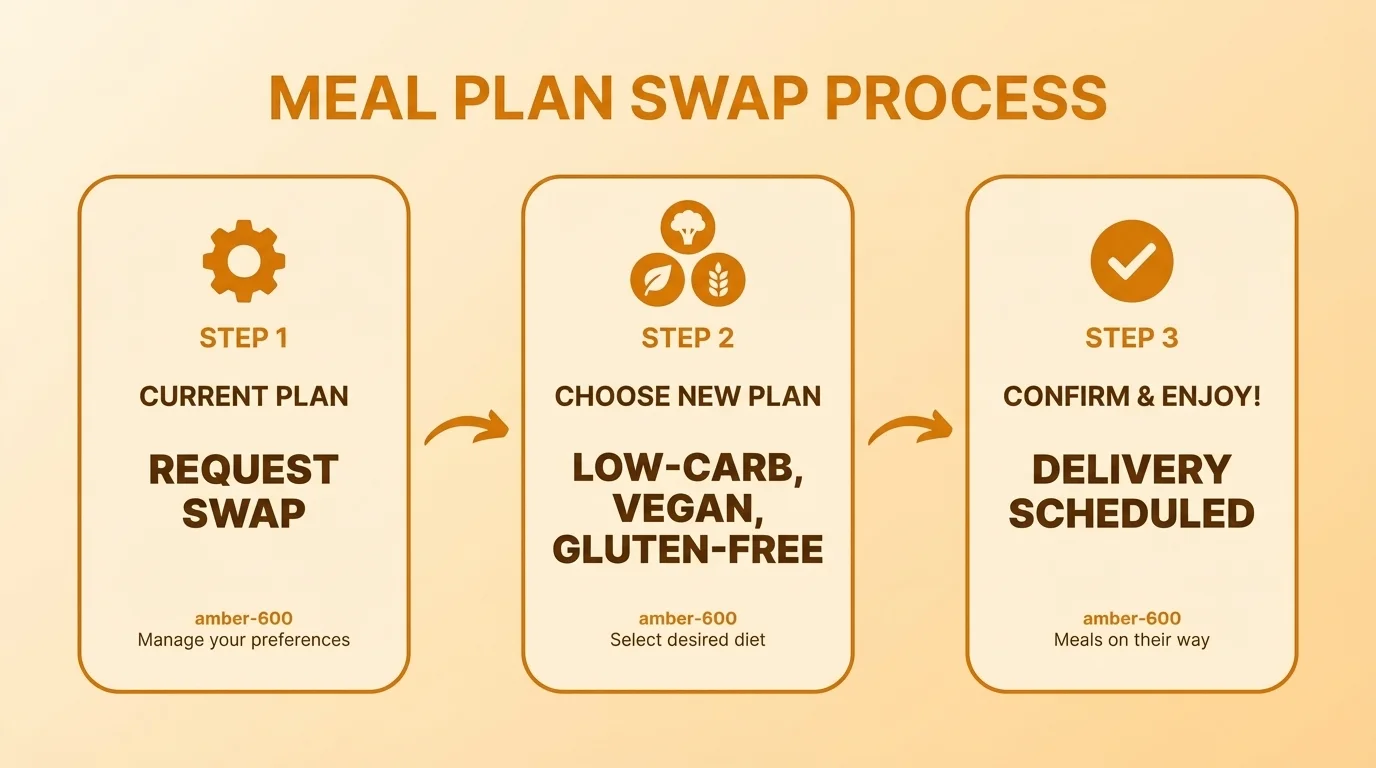
Dietary adjustments for low-carb, vegan, or gluten-free eating don't have to be complicated — most changes come down to swapping one ingredient for another. When youcreate your meal plan, it automatically generates a shopping list designed to use ingredients across multiple recipes, which cuts down on waste.
Beyond the Scale: Health Benefits of a Balanced Diet
Weight loss is often the main reason people try eating at 1500 calories, but it's not the only thing that changes. When you shift toward whole, nutrient-dense foods, you're also changing how your body handles blood sugar, cholesterol, inflammation, and energy — effects that show up in how you feel day to day, not just on the scale.
Improving Your Cardiometabolic Health
One of the more concrete benefits of a well-structured lower-calorie diet is the improvement to cardiometabolic markers — blood pressure, cholesterol, and blood sugar. These numbers give a clearer picture of long-term health than weight alone. Research consistently links moderate calorie restriction to better cardiovascular outcomes. A balanced, lower-calorie diet can reduce cholesterol by more than20%and improve blood sugar control, lowering the risk of type 2 diabetes. These are measurable changes that reflect what's happening inside, not just how you look.
Better Blood Sugar Control and Energy
If afternoon energy crashes are a regular problem, stable blood sugar is worth paying attention to. A meal plan built on whole foods — fiber, lean protein, and healthy fats — reduces the dramatic spikes and dips that follow processed carbs and sugary snacks.
| Nutrient | How It Helps Stabilize Blood Sugar |
|---|---|
| Fiber-rich foods | Slows sugar absorption, providing steady energy. |
| Lean protein | Promotes satiety and prevents sharp glucose spikes. |
| Healthy fats | Slows digestion, contributing to sustained energy release. |
Once blood sugar is more stable, the 3 p.m. energy drop that sends people reaching for something sweet tends to fade. The effect builds over days and weeks, not overnight — but it's a consistent and noticeable shift.
It's worth noting how dramatically food availability has changed. In the 1960s, the average global calorie supply per person was around2,200 kcaldaily. Today that figure has risen to over2,900 kcal, a shift that tracks closely with rising obesity rates, now affecting42%of US adults. Eating at 1500 calories is a practical response to that environment. You can explore the historical food supply data atOur World in Data. Studies show this level of calorie reduction can produce5-10%body weight loss over six months, alongside drops in LDL cholesterol of10-15%and meaningful improvements in glucose control, as outlined inWellhub's analysis of low-calorie diets.
Is a 1500 calorie diet right for you?
1500 calories hits a useful middle ground — low enough to create a deficit for most people, high enough to eat actual meals. But it's not universal. Here's a quick breakdown of who it tends to work well for, and who should consider adjusting.
| Who | 1500 cal/day: a good fit? | Better starting point |
|---|---|---|
| Sedentary women (TDEE ~2000–2200) | Yes — creates a ~500–700 cal deficit | 1500 cal is on target |
| Lightly active women (TDEE ~2200–2400) | Yes — still a solid deficit | 1500–1600 cal |
| Sedentary men (TDEE ~2500–2800) | Maybe — deficit exists but may feel restrictive | 1800–2000 cal |
| Active men or athletes | No — too low, risks muscle loss | 2000–2400+ cal |
| Pregnant or breastfeeding women | No — calorie needs are higher | Speak to a provider |
If you're not sure where your TDEE lands, a simple online calculator using your age, sex, height, weight, and activity level gets you close enough to start. Adjust from there based on real results over 2–3 weeks.
Conclusion
Eating 1500 calories a day works when the plan is built around whole foods, reasonable macros, and meals you'll actually want to eat. The 7-day plan and prep system above give you a concrete starting point — not a rigid set of rules, but a structure that makes consistent eating easier. Most people find that after the first few weeks, the tracking becomes less necessary as their sense of portion size and hunger improves. Start with the framework, adjust as you learn what works for your schedule and appetite, and the habits will follow.
FAQ
1. Is 1500 calories enough for weight loss?
For many people, yes. Eating 1500 calories a day typically creates a calorie deficit for most sedentary to lightly active women, leading to weight loss of about one pound per week. Calorie needs vary based on age, sex, activity level, and body size. It may be too low for active individuals or men, who generally have higher energy requirements.
2. How can I manage hunger on a low-calorie diet?
Focus on nutrient-dense, high-satiety foods — lean protein, high-fiber vegetables, and healthy fats at every meal. Drinking plenty of water helps too, since thirst is often mistaken for hunger. Structuring your day with three balanced meals and one or two snacks keeps hunger more manageable than trying to hold out between large meals.
3. Can I build muscle on a 1500 calorie meal plan?
Building significant muscle mass is difficult in a calorie deficit, as muscle growth is an energy-intensive process. That said, by consuming adequate protein (around 25-30% of your calories) and incorporating resistance training, you can preserve — and sometimes even build — lean muscle mass while losing fat.
4. What should I do if I hit a weight loss plateau?
Plateaus are a normal part of weight loss. Re-evaluate your food tracking to ensure accuracy — small, untracked bites can add up. You can also try increasing your physical activity, changing your workout routine, or making small adjustments to your diet, like slightly increasing protein. Sometimes exploring different dietary approaches like those in our guide on low-carb meal plans can help break through a stalemate.
5. Is it okay to have a cheat meal?
A planned higher-calorie meal once a week can actually support long-term adherence by preventing feelings of deprivation. Plan for it, and get back on track with your next meal. One higher-calorie meal won't undo a week of consistent effort.
6. Who should not follow a 1500 calorie diet?
A 1500 calorie diet is not suitable for everyone. Active men, pregnant or breastfeeding women, athletes, and teenagers typically need significantly more calories. Anyone with a history of eating disorders should work with a healthcare professional before restricting calories. If you feel dizzy, fatigued, or lose more than 2 pounds per week consistently, increase your intake or speak to a doctor.
7. Do I need to track every calorie to make this work?
Not indefinitely. Tracking is most useful in the first 2–4 weeks while you're learning what 1500 calories actually looks like on a plate. After that, most people can estimate reasonably well using visual portion cues. Apps like Kitchendary make tracking easier by automatically calculating nutrition from your meal plan — so you're not manually logging every ingredient.