Portion control is less about restriction and more about awareness. It's the simple, powerful act of managinghow muchfood you put on your plate, which is a proven path to successful weight loss. By focusing on serving sizes, you naturally steer your daily calorie intake, creating the deficit needed to lose weight without feeling like you're on a harsh diet.
Why Portion Control Is a Reliable Weight Loss Tool
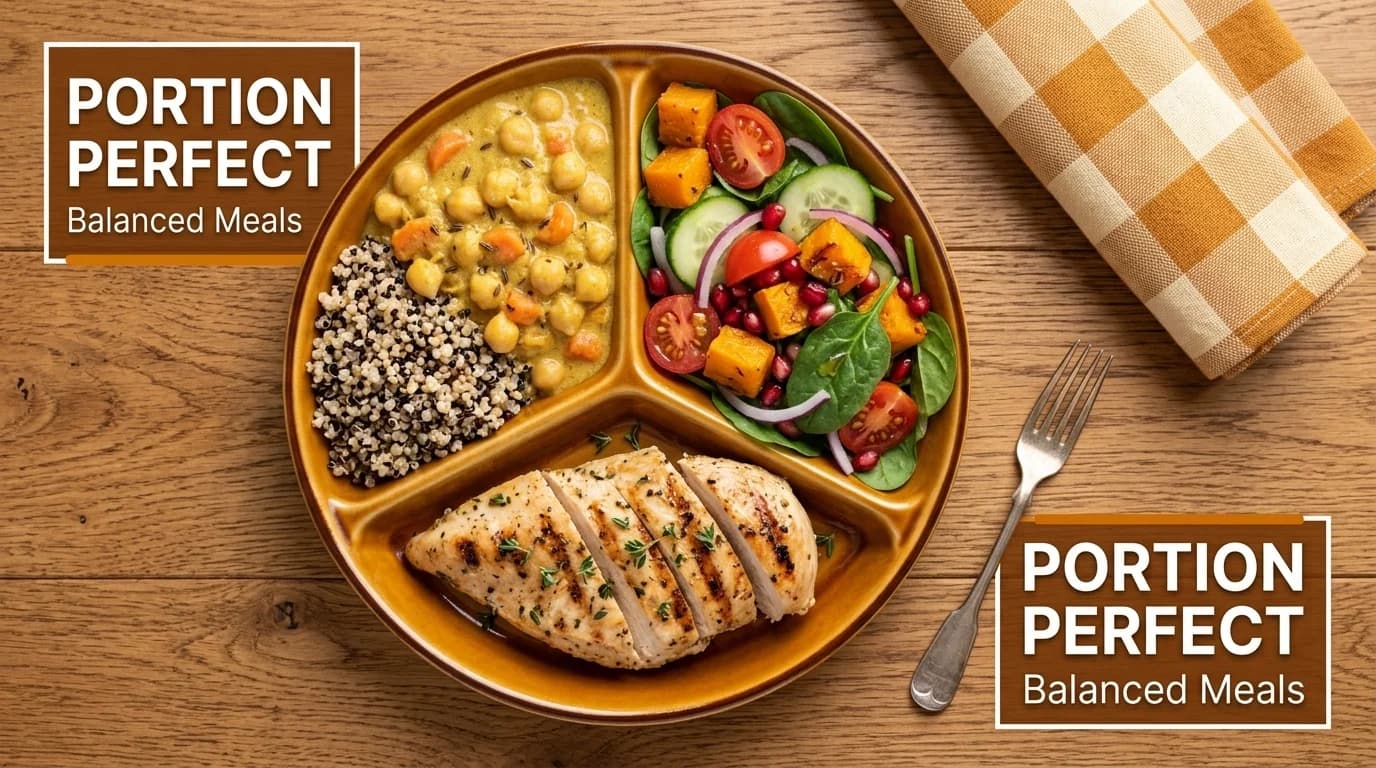
Complicated diet fads come and go, but lasting weight loss often comes down to one habit: managing how much you eat. The idea is straightforward, but its effect is significant. Think about how much food environments have changed over the last few decades. Restaurant portions, packaged snacks, and even dinner plates have gotten noticeably bigger.
This trend is often called"portion distortion,"and it quietly tricks us into eating far more than our bodies actually need. When a restaurant serves a mountain of pasta or a bagel the size of your hand, the brain tends to register that as a normal, single serving. Without consciously adjusting, you can easily add hundreds of extra calories to your day, which, over time, leads directly to weight gain.
The Science of Serving Sizes
The link between how much you eat and how many calories you consume is backed by a substantial body of research. Weight loss happens when you create a calorie deficit, burning more calories than you take in.Portion control for weight lossis the most direct way to manage the "calories in" side of that equation.
Simple swaps, like using smaller plates or buying pre-portioned snacks, can cut daily calorie intake by10-30%. One well-known study found that people who ate from smaller plates consumed22%fewer calories than those using larger ones. That's a meaningful impact from a small change. When you consider that a daily deficit of around500calories can lead to losing about one pound per week, these adjustments really do add up.
The value of portion control is that it puts you back in control. Instead of food manufacturers or restaurants dictating how much you eat, you decide, meal by meal.
For anyone looking to make a quick start, a few simple strategies can deliver immediate results.
Quick Portion Control Wins For Immediate Impact
Here's a look at some easy changes you can implement today to start seeing a difference.
| Strategy | How It Works | Potential Calorie Reduction |
|---|---|---|
| Use Smaller Plates | A 9-inch plate looks full with less food than a 12-inch one, tricking your brain into feeling satisfied with a smaller portion. | 10-22%per meal |
| Serve from the Stove | Plating your food in the kitchen instead of putting serving dishes on the table removes the temptation for mindless seconds. | 15-20%per meal |
| Drink a Glass of Water | Drinking water15-20minutes before a meal helps you feel fuller, leading to less overeating. | 75-90calories per meal |
| Start with a Salad | A small, low-calorie salad before your main course fills you up with fiber and nutrients, reducing overall meal intake. | ~10%of total calories |
These are just starting points, but they illustrate how small, intentional actions can have a significant impact on your daily calorie count.
Beyond the Plate: A Psychological Shift
Mastering portion control is just as much about retraining your brain as it is about anything else. It's a shift from mindless eating, where you keep going until the plate is clean, to mindful consumption. You start tuning into your body's real hunger and fullness cues. That psychological change is what makes this a sustainable, long-term habit.
Whether you're aiming for weight loss or trying to fuel athletic performance, getting a handle on your food intake matters. Athletes meticulously manage their portions to optimize their energy, and you can learn a lot from that approach when creating anultimate nutrition plan. By focusing on appropriate serving sizes, you're not just dieting. You're building a healthier, more intuitive relationship with food.
Get a Handle on Portions with Visual Cues
Lugging a food scale to a restaurant or a family dinner just isn't realistic. The good news: you don't need one. Your hands are the most practical portion control tool you have, and they're always with you.
Learning to eyeball serving sizes using your hand turns portion control from a chore into an intuitive skill you can use anywhere. You're building lasting knowledge, not just a reliance on a kitchen gadget.
Your Hand as a Guide
It sounds almost too simple, but your hand is a surprisingly accurate and personalized measuring cup. Because it's proportional to your own body, it's a practical reference point for your nutritional needs.
Here's a quick breakdown of how to use it:
- Protein:A serving of chicken, fish, or tofu should be about the size and thickness of yourpalm(not including your fingers).
- Carbohydrates:For carbs like rice, pasta, or potatoes, think of a portion that's roughly the size of yourclenched fist.
- Fats:When it comes to dense fats like oils, butters, and seeds, a serving is about the size of yourthumb.
- Vegetables:For non-starchy veggies (broccoli, spinach, peppers), aim for a portion that would filltwo open handscupped together.
This becomes second nature surprisingly fast. When a plate of pasta arrives at your table, you can discreetly compare it to your fist. If the serving is large, you know to eat about half and save the rest. No math, no stress.
Build a Better Plate with the Healthy Plate Model
Another practical visual approach is theHealthy Plate Model. It's less about restriction and more about building a balanced, satisfying meal. It automatically guides your portions while boosting the nutritional quality of what you eat.
Picture your plate as a circle. Draw an imaginary line down the middle, then split one of those halves in two. You end up with three distinct sections.
Now you have a blueprint for every meal. Here's how to fill it:
- Half Your Plate:This is the biggest section, reserved for non-starchy vegetables. Load it up with leafy greens, bell peppers, asparagus, or zucchini.
- One Quarter of Your Plate:This space is for your lean protein. That palm-sized portion of grilled chicken or lentils fits perfectly here.
- One Quarter of Your Plate:The last section is for your complex carbohydrates: a fist-sized serving of quinoa, brown rice, or sweet potato.
By filling half your plate with veggies first, you're visually prompted to prioritize nutrient-dense, lower-calorie foods. Pro tip: using a slightly smaller plate, around9 inchesin diameter, makes this even more effective.
These consistent, small adjustments add up to a calorie deficit that drives real weight loss.
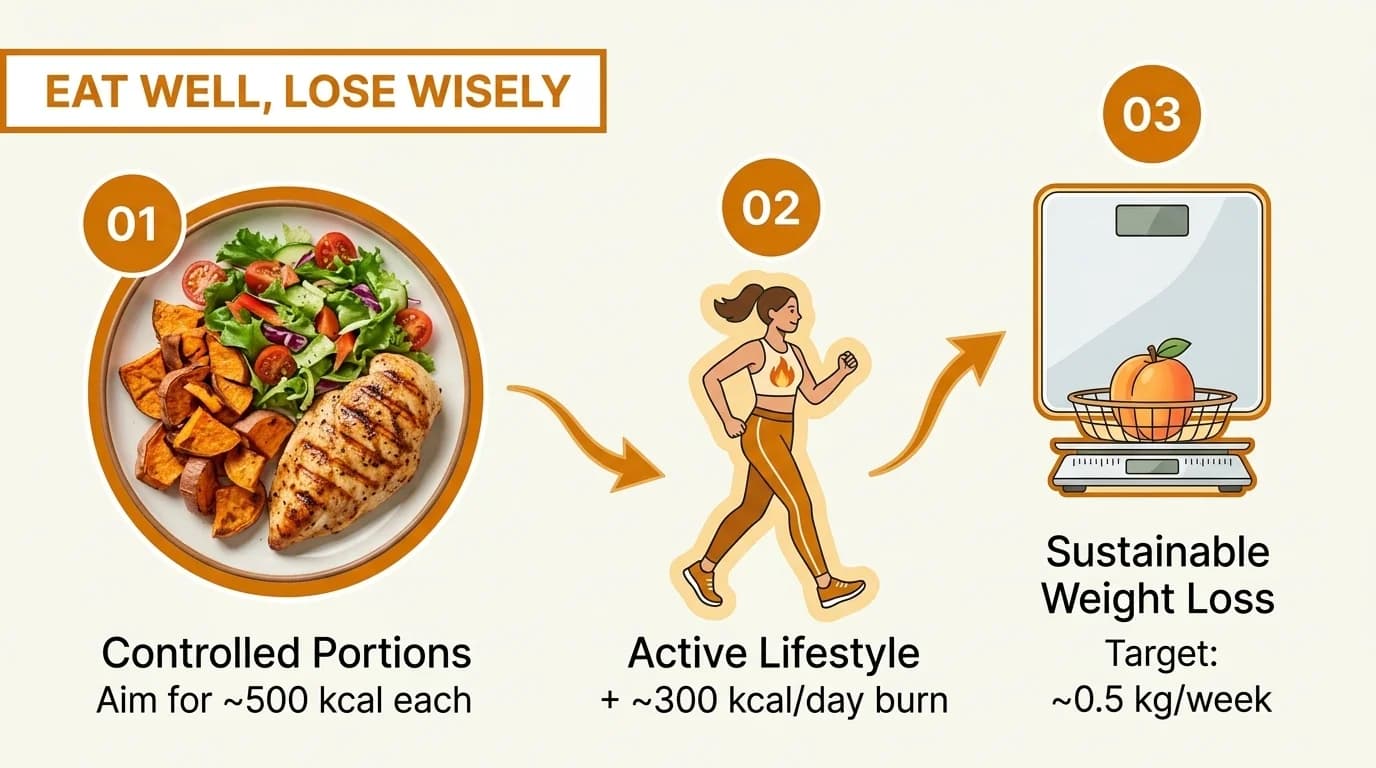
Controlled portions at each meal create a snowball effect for your weekly progress. If you want to take this a step further,Kitchendarycan automate this entire process for you, generating recipes that are already perfectly portioned and balanced.
Getting Precise with Kitchen Tools
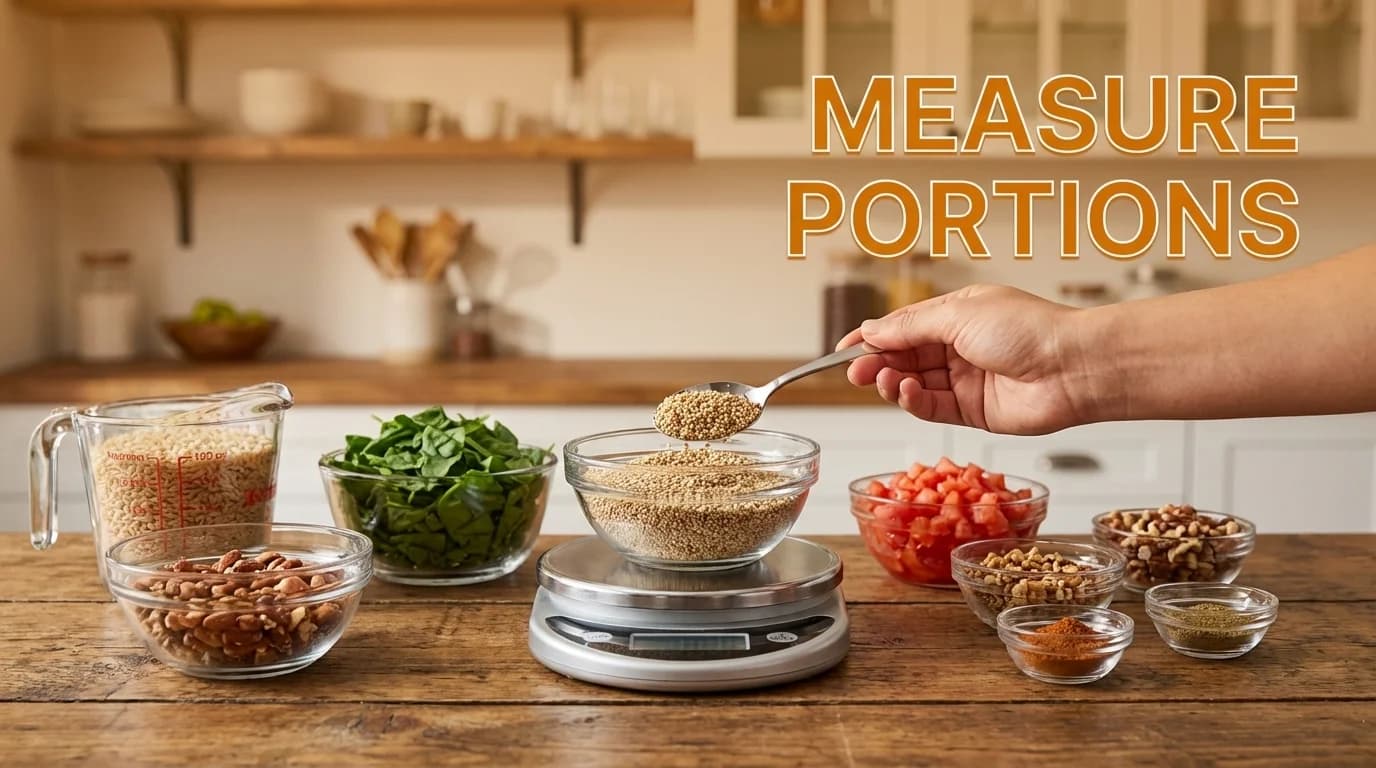
Eyeballing portions is a great skill for everyday life, but sometimes you need more precision. This is especially true with calorie-dense foods, where a small "oops" can quietly derail your progress.
An extra tablespoon of peanut butter or a heavy-handed pour of olive oil might not look like much, but that can easily add an extra100-120 calories. When you're just starting out, what youthinkis a serving size and whatactuallyis a serving size can be two very different things.
A few simple kitchen tools fix this. It's not about being obsessive. It's about training your eyes, building a mental library of what correct portions look like, a skill that will serve you long after you put the tools away.
Why a Digital Food Scale Matters
A digital food scale is probably the single most useful tool for anyone serious about nutrition tracking. It removes guesswork and gives you hard data, which is exactly what you need for accurate calorie and macro tracking.
A scale is particularly useful for foods that are impossible to measure by volume: a chunk of cheese, a piece of chicken, or a handful of almonds. When you weigh your food, you know the exact gram amount. That precision is what lets you trust your numbers and hit your goals consistently.
Think of a food scale as a temporary teacher. You don't have to weigh every meal for the rest of your life. Just use it diligently for a few weeks. You'll quickly learn what4 ouncesof chicken or30 gramsof nutsreallylooks like on your plate.
Making Measuring Cups and Spoons Work for You
Measuring cups and spoons still have their place in the kitchen, especially for liquids, grains, and powders. They're your first line of defense against accidentally turning a healthy meal into a high-calorie one.
- Oils and Dressings:Always use a measuring spoon for these. What most people call a "drizzle" is often two or three tablespoons. Those calories add up fast.
- Grains and Legumes:Before you cook them, use measuring cups for dry goods like rice, lentils, or quinoa. It's the easiest way to control the final cooked volume.
- Nuts and Seeds:These are calorie-dense. Using a small measuring cup (like 1/4 cup) keeps a healthy handful from becoming a significant calorie source.
Using these tools bridges the gap between the nutritional information on a label and the actual food on your plate.
One more practical step: pre-portioned containers make meal prep almost automatic. After you've weighed and measured your meal components, pack them into single-serving containers. This cuts down on decision fatigue during busy weeks and stops mindless overeating straight from the big container.
Listening to Your Body's Hunger Signals
What's happening inside your body matters just as much as what's on your plate. The most sustainable skill you can build is learning to tune into your body's natural hunger and fullness signals. This is often called mindful eating, and it's less about a diet and more about paying attention to what your body is actually telling you.
The goal is to shift your focus inward. Instead of cleaning your plate out of habit, you start asking a simple question:"Am I actually still hungry?"
Differentiating Hunger Types
Not all hunger feels the same. Learning to tell the difference between true physical hunger and everything else that makes you want to eat is a huge step. This awareness stops you from eating out of boredom, stress, or just because the clock says it's lunchtime.
Physical Hunger:This builds up gradually. You might feel your stomach gently rumble, your energy levels dip, or a slight headache creep in. That's your body giving you a legitimate signal that it needs fuel.
Emotional Hunger:This hits suddenly and usually comes with an intense craving for a specific comfort food. It's almost always tied to a feeling, like stress after a difficult workday, rather than an actually empty stomach.
Once you can spot the difference, you can address what's really going on. If you're stressed, a quick walk or five minutes of deep breathing might serve you better than a bag of chips. That simple pause is your best defense against mindless overeating.
How to Practice Mindful Eating
The key to listening to your body is slowing down. It takes about20 minutesfor your stomach to signal to your brain that it's full. Eat too fast, and you'll blow right past that signal and end up eating far more than you needed.
Simply putting your fork down between bites and chewing your food thoroughly gives your brain the time it needs to catch up with your stomach. This one small change can mean the difference between feeling satisfied and uncomfortably stuffed.
Think about a big family dinner. The food is good, and everyone's encouraging you to go back for seconds. Instead of automatically piling more on your plate, pause for a moment. Check in with yourself. Are you genuinely hungry for more, or are you just going with the flow? Learning to honor your body's signals over outside pressure is a real win.
Beyond all the measuring cups and plate diagrams, building this connection with your body is what makes portion control stick. You can explore this idea further bylearning how to listen to yourself.
When you build this internal awareness, portion control stops being a short-term diet tactic. It becomes a long-term, healthy relationship with food, less about restriction and more about respecting what your body actually needs.
Navigating Restaurants and Social Events
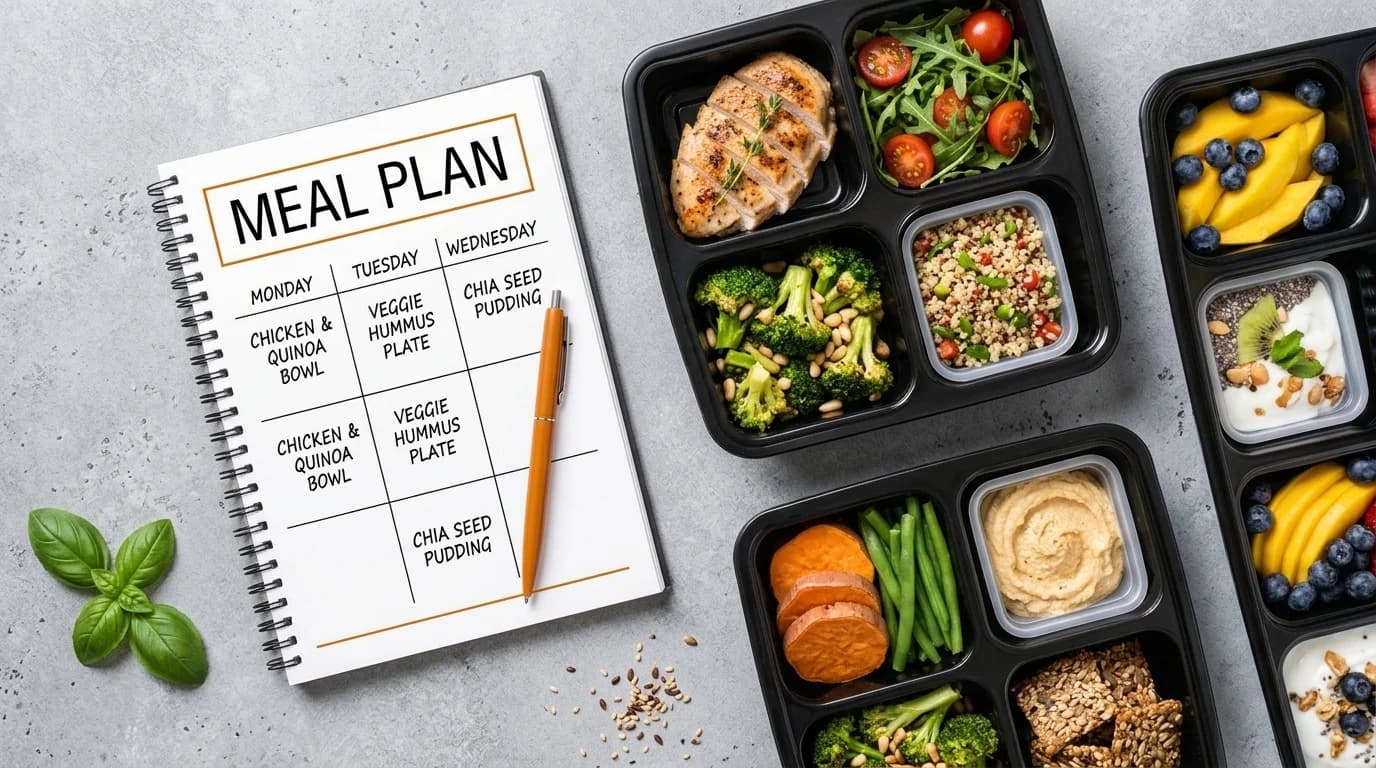
The real test of portion control comes when you're not in your own kitchen. Restaurants and social get-togethers are known for large servings and subtle pressure to just go with the flow. With a little forethought, you can enjoy yourself without derailing your progress.
The trick is having a plan before you walk through the door. Don't leave your choices to the moment or rely on willpower alone. A few minutes of prep can turn a potentially tricky situation into one you handle without stress.
Your Pre-Dining Playbook
Setting yourself up for success starts before you leave the house. Pull up the restaurant's menu online. This lets you scout healthier, portion-sensible options without a waiter hovering while you decide.
Look for words like grilled, baked, or steamed instead of fried. Pay close attention to the sides too. Swapping fries for a side salad or steamed veggies is a classic move for good reason. Knowing what you're going to order ahead of time removes the "what if" voice that tempts you toward less healthy choices.
Managing food intake is a real public health challenge. Worldwide obesity rates have climbed since 2010, with forecasts suggesting that by 2035, more than50%of the global population could be overweight or obese. A significant driver is simply eating too many calories, fueled by expanding portion sizes. In countries like the United States and Australia, about66%of adults are already in this category. You can read more about this public health trend on businesswire.com.
Strategies for the Table
Once you're at the restaurant or event, several practical moves keep yourportion control for weight losson track.
- Ask for a To-Go Box Immediately.Do this when your meal first arrives. Before taking a single bite, cut your entree in half and pack it away. This instantly removes the temptation to clean your plate and gives you a perfectly portioned lunch for tomorrow.
- Share a Main Dish.Splitting a main dish with a friend is a practical way to enjoy something rich without overdoing it. Most restaurant entrees are large enough for two people, especially if you each get a side salad.
- Build a Smarter Buffet Plate.When faced with a buffet, start by filling half your plate with greens and non-starchy vegetables. Add a palm-sized portion of protein. This leaves just a small section for starches or richer items, naturally creating a balanced meal.
- Order Appetizers Instead.If you aren't very hungry, ordering two healthy appetizers instead of a large main course can be a complete meal. Think shrimp cocktail and a caprese salad.
It's always okay to politely decline a second helping at a friend's dinner party. A simple "That was great, but I'm full, thank you" is both gracious and effective. These consistent choices add up without requiring you to opt out of a social life.
Answering Your Biggest Questions About Portion Control
Portion control feels straightforward at first, but the day-to-day reality brings up real questions. Here are clear answers to the most common hurdles people face when trying to make this a lasting habit.
How Long Does ItReallyTake to Get Used to Smaller Portions?
The answer has two parts: the physical and the mental.
Physically, your stomach is adaptable. It can start adjusting to smaller volumes of food in just a few days. The real challenge is retraining your brain. Most people are conditioned to eat until stuffed, and breaking that habit takes time.
Switching to smaller plates and bowls helps. It's a visual cue that makes a properly-sized meal look more substantial, which helps your brain feel satisfied. Most people find their new normal within2-4 weeksof sticking with it.
Do I Have to Weigh and Measure My Food Forever?
No. Think of your food scale and measuring cups as training wheels. They're useful in the beginning because they teach you what an actual serving of oats or a tablespoon of peanut butter looks like (it's often smaller than you'd expect).
The goal isn't dependence on these tools. Use them consistently for a few weeks to build a solid mental library of portion sizes. Once you can eyeball a serving of chicken or pasta with reasonable accuracy, you can rely on visual cues like the hand-size guide above. Keep the tools around to spot-check yourself now and then, especially with new foods.
Portion control isn't about deprivation. It's about awareness, building a sustainable relationship with food where you can enjoy everything in moderation. That mindset shift is what makes long-term success possible.
What if I'm Still Hungry After Eating My Meal?
Pause before reaching for more. The brain takes about20 minutesto register that your stomach is full. Drink a glass of water and wait. You'll often find the hunger fades on its own.
If you've waited and you're still genuinely hungry, look at thecompositionof your meal. Did it have enough protein and fiber? A meal lacking these won't keep you satisfied for long. Instead of reaching for more of the same, add something smart: a handful of almonds, some Greek yogurt, or a few carrot sticks can do the trick without derailing your efforts.
Can I Still Eat the Foods I Actually Love?
Yes. That's the point of focusing onportion control for weight lossrather than elimination. Rigid diets that label foods as "good" or "bad" tend to lead to cravings and guilt. Neither is helpful.
If you want pizza, have a slice or two and pair it with a veggie-packed salad. Craving ice cream? Serve yourself a single scoop in a small bowl instead of sitting with the entire pint. When you plan for these foods and manage the amount, you can enjoy them without feeling like you've failed. That balance is what turns a diet into a lifestyle you can actually sustain.
FAQ
How Long Does It Really Take to Get Used to Smaller Portions?
The answer has two parts: the physical and the mental. Physically, your stomach adjusts within a few weeks of consistent smaller meals. Mentally, it takes longer, usually 4 to 8 weeks, to reframe hunger cues and satisfaction signals. Staying consistent in those early weeks matters most.
Do I Have to Weigh and Measure My Food Forever?
No. Measuring tools are training wheels. After 4 to 6 weeks of consistent tracking, most people develop an accurate visual sense of proper portions and no longer need to measure every meal.
What if I'm Still Hungry After Eating My Meal?
Pause before reaching for more. The brain takes about 20 minutes to register fullness. Drink a glass of water and wait. If hunger remains after that, add a small serving of a high-volume, low-calorie food like vegetables or broth.
Can I Still Eat the Foods I Actually Love?
Yes. Portion control works with any food, including the ones you enjoy most. The goal is managing how much, not eliminating what. A smaller serving of a favorite food is far more sustainable than cutting it out entirely.