A heart-healthy diet focuses on eating whole foods to lower cholesterol and blood pressure. That means at least 4-5 servings of fruits and vegetables daily, lean proteins like fish, and sodium kept under 2,300 mg per day. Unsaturated fats from olive oil and nuts replace saturated fats, which should stay below 10% of total calories.
This is not a diet built on deprivation or complicated rules. It is a way of eating that puts whole, nutrient-dense foods at the center of your plate to protect your cardiovascular system over time.
The goal is to eat foods that fight inflammation, lower LDL cholesterol, and keep blood pressure in a healthy range: high-fiber vegetables, lean proteins like fish, whole grains, and fats from nuts and olive oil.
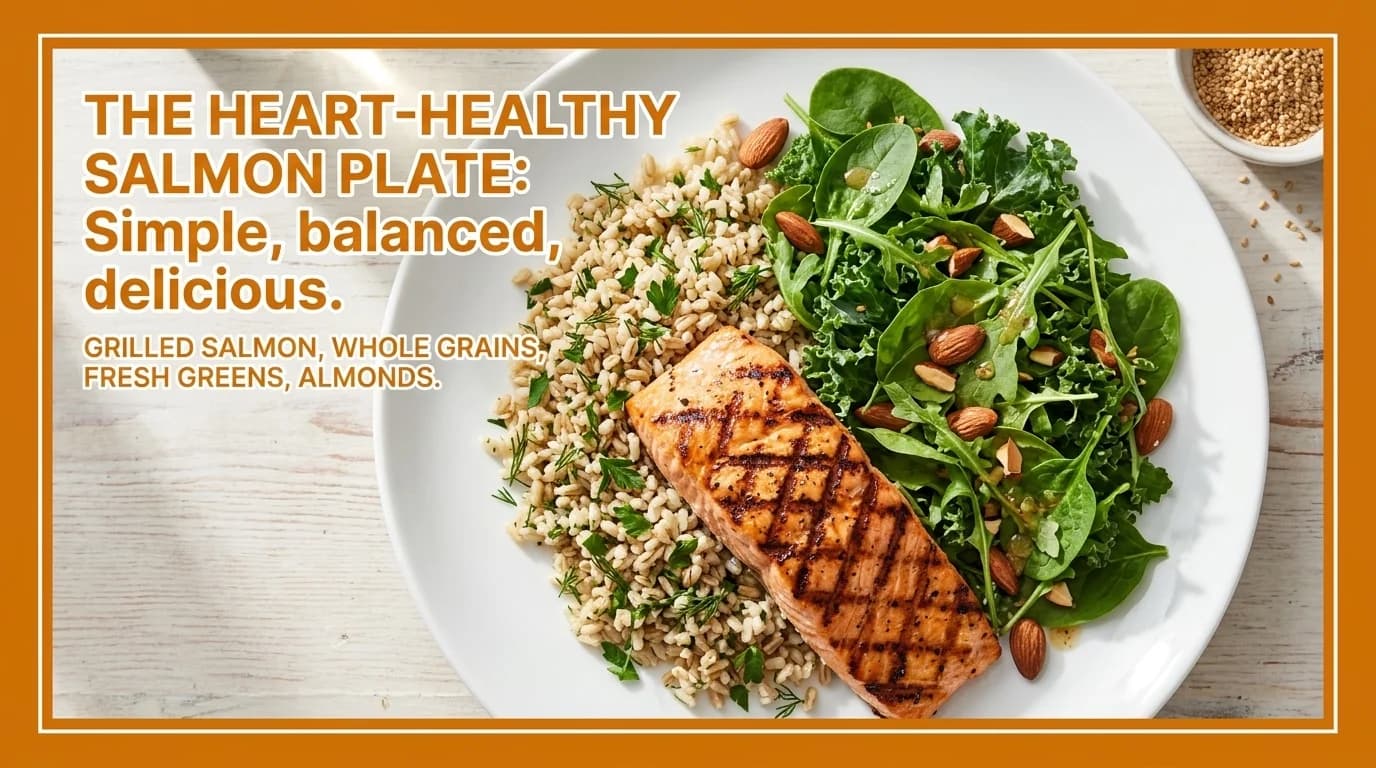
What are the core components of this diet?
An effective heart-healthy diet is less about what youcan'teat and more about what youshouldeat. It rests on whole foods that are naturally low in the things that harm your heart (sodium, saturated fats, and added sugars) while being rich in fiber, vitamins, and minerals.
The shift is gradual, not an overnight overhaul.
- Emphasize:Colorful fruits and vegetables, lean proteins, and whole grains.
- Limit:Heavily processed foods, fatty red meats, and sugary drinks that offer little nutritional value.
- Replace:Saturated fats like butter and lard with unsaturated fats, especially extra virgin olive oil.
Here is a table that breaks down the key food groups and targets for each.
| Food Group | Foods to Emphasize | Foods to Limit or Avoid | Recommended Intake |
|---|---|---|---|
| Vegetables & Fruits | Leafy greens, broccoli, berries, citrus fruits, bell peppers | Canned vegetables with added salt, fried vegetables | 4-5 servings of each per day |
| Lean Protein | Skinless poultry, fish (especially fatty fish), beans, lentils | Processed meats (bacon, sausage), fatty cuts of red meat | 5-6 ounces per day |
| Whole Grains | Oats, quinoa, brown rice, whole-wheat bread | White bread, sugary cereals, pastries, refined pasta | 6-8 servings per day (1 serving = 1 slice bread or ½ cup cooked grain) |
| Healthy Fats | Avocado, olive oil, nuts, seeds | Butter, margarine, tropical oils (coconut, palm), trans fats | 2-3 servings per day (1 serving = 1 tbsp oil or ¼ cup nuts) |
| Dairy | Fat-free or low-fat milk, Greek yogurt, cheese in moderation | Full-fat milk, cream, high-fat cheeses | 2-3 servings per day |
This framework is a guide, not a rigid rulebook. It is meant to help you build balanced, satisfying meals that workforyour heart, not against it.
If you want a structured starting point that puts these principles into practice, a professionally designedbalanced meal planis a good way to build lasting habits without having to figure everything out from scratch.
Why is diet so important for heart health?
The food you eat every day has a direct, physical impact on your heart. It is one of the most powerful levers available for reducing your risk of cardiovascular disease.
Your meals can either build cardiovascular resilience or contribute to the conditions that lead to heart attacks and strokes: high blood pressure, unhealthy cholesterol levels, and chronic inflammation. Every plate is an opportunity to move in one direction or the other.
How does food physically change your heart and arteries?
Picture your arteries as smooth, flexible tubes. A diet heavy in saturated and trans fats—common in processed foods, fried items, and fatty meats—causes a sticky substance called plaque to build up on the inner walls of those tubes.
This process, known asatherosclerosis, narrows the pathway for blood. Your heart has to pump harder to push blood through constricted arteries, and that sustained strain weakens the heart muscle over time.
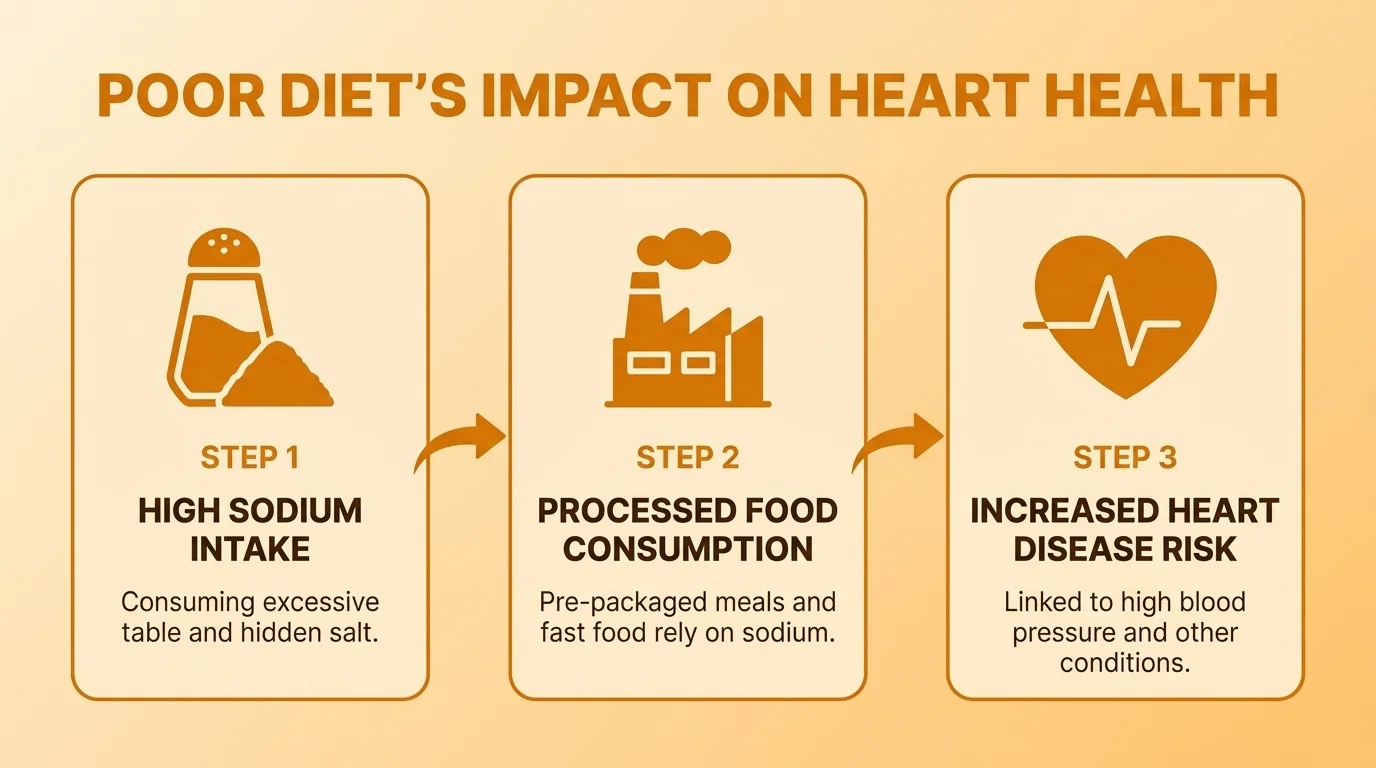
A diet overloaded with sodium compounds the problem. Excess sodium causes your body to retain extra fluid, which raises the total volume of blood in circulation, driving up blood pressure and adding further stress on your heart and artery walls.
Poor nutrition is now thenumber one cause of preventable death globally, with heart disease as a primary outcome. High sodium intake alone is the single largest dietary risk factor. The data behind these findings is available athealthdata.org.
Which foods are the main offenders for heart health?
Before building a protective eating plan, it helps to know what you are up against. Certain ingredients pose a more immediate threat to your heart than others.
- High Sodium:Excess sodium leads directly to hypertension, a major risk factor for heart attacks and strokes. It hides in restaurant meals, canned soups, bread, and processed snacks—often in amounts far higher than people expect.
- Saturated and Trans Fats:These fats raise your LDL ("bad") cholesterol, which feeds artery-clogging plaque. You will find them in red meat, full-fat dairy, and many commercially baked and fried foods.
- Added Sugars:Beyond the obvious candy and desserts, sugary drinks, sauces, and cereals drive inflammation, weight gain, and higher triglyceride levels—another type of blood fat that is hard on your heart.
- Highly Processed Foods:These are often a triple threat: engineered to be high in sodium, unhealthy fats, and sugar while being stripped of fiber and micronutrients your body needs.
Shifting toward this way of eating means more of the foods that supply protective nutrients and less of the ingredients that cause long-term damage.
How do you build a 7-day heart-healthy meal plan?
A full week of heart-healthy meals is about building a consistent rhythm, not achieving perfection. The goal is to translate general knowledge into real food you will actually want to eat, while actively supporting your cardiovascular health.
Start by setting targets for your daily calories and macros. From there, you can build a menu that feels sustainable rather than restrictive, one that manages weight and cholesterol while keeping you full and energized.
How should you set your calorie and macro targets?
Before choosing specific meals, you need to know your numbers. For most adults working on heart health,2,000 caloriesa day is a reasonable starting point, though you will want to adjust based on your age, activity level, and specific goals like weight loss.
Once you have your calorie target, you can work out your macronutrient split. A balanced approach for heart health generally looks like this:
- Carbohydrates (45-55% of calories):Focus on complex carbs from whole grains, beans, fruits, and vegetables that provide steady energy and essential fiber.
- Protein (20-30% of calories):Lean sources build and maintain muscle without a heavy load of saturated fat. Fish, skinless chicken, lentils, and beans are good options.
- Fats (25-35% of calories):Unsaturated fats from olive oil, avocados, nuts, and seeds help lower LDL cholesterol. Keep saturated fats below10% of your total calories.
What does a sample 7-day menu look like?
Here is a sample week that puts these principles into practice. It is designed to be flavorful, manageable, and nutritionally solid.
| Day | Breakfast | Lunch | Dinner | Snack |
|---|---|---|---|---|
| Monday | Oatmeal with berries & walnuts | Quinoa salad with chickpeas, cucumber, and lemon-tahini dressing | Baked salmon with roasted asparagus and brown rice | Greek yogurt |
| Tuesday | Scrambled eggs with spinach & whole-wheat toast | Leftover salmon salad on whole-wheat crackers | Chicken stir-fry with broccoli, bell peppers, and snap peas | Handful of almonds |
| Wednesday | Smoothie with spinach, banana, almond milk, and protein powder | Lentil soup with a side salad | Turkey meatballs with zucchini noodles and marinara sauce | An apple with almond butter |
| Thursday | Greek yogurt with sliced peaches and chia seeds | Leftover turkey meatballs | Black bean burgers on a whole-wheat bun with a side of sweet potato wedges | Baby carrots with hummus |
| Friday | Whole-wheat toast with avocado and a sprinkle of red pepper flakes | Tuna salad (made with Greek yogurt) sandwich on whole grain bread | Shrimp and vegetable skewers with a side of couscous | A pear |
| Saturday | Veggie omelet with bell peppers, onions, and mushrooms | Large mixed greens salad with grilled chicken, tomatoes, and a light vinaigrette | Homemade pizza on whole-wheat crust with lots of veggies and light cheese | Edamame (steamed) |
| Sunday | Whole-grain pancakes with fresh fruit | Leftover pizza or a large salad | Roasted chicken with root vegetables (carrots, parsnips, potatoes) | Orange slices |
One practical tip this plan builds in:cook once, eat twice. Reusing the salmon on Tuesday and the turkey meatballs on Thursday saves time and ensures you have a ready meal on a busy day without reaching for convenience food.
Having a structure like this reduces the "what's for dinner?" problem that often pushes people toward less-healthy options. Those daily choices—especially around sodium and processed foods—add up in a direct and cumulative way over time.
Each meal in this plan was chosen with a specific reason. Monday's dinner of baked salmon delivers a solid dose ofomega-3 fatty acids, which reduce inflammation. The oatmeal at breakfast provides soluble fiber, a nutrient that actively helps clear LDL ("bad") cholesterol from your system.
If you want a well-researched framework that puts these principles into practice, aMediterranean diet meal planhas been studied extensively for its cardiovascular benefits and aligns closely with what a heart-healthy diet looks like in practice.
How can you shop and prep meals for heart health?
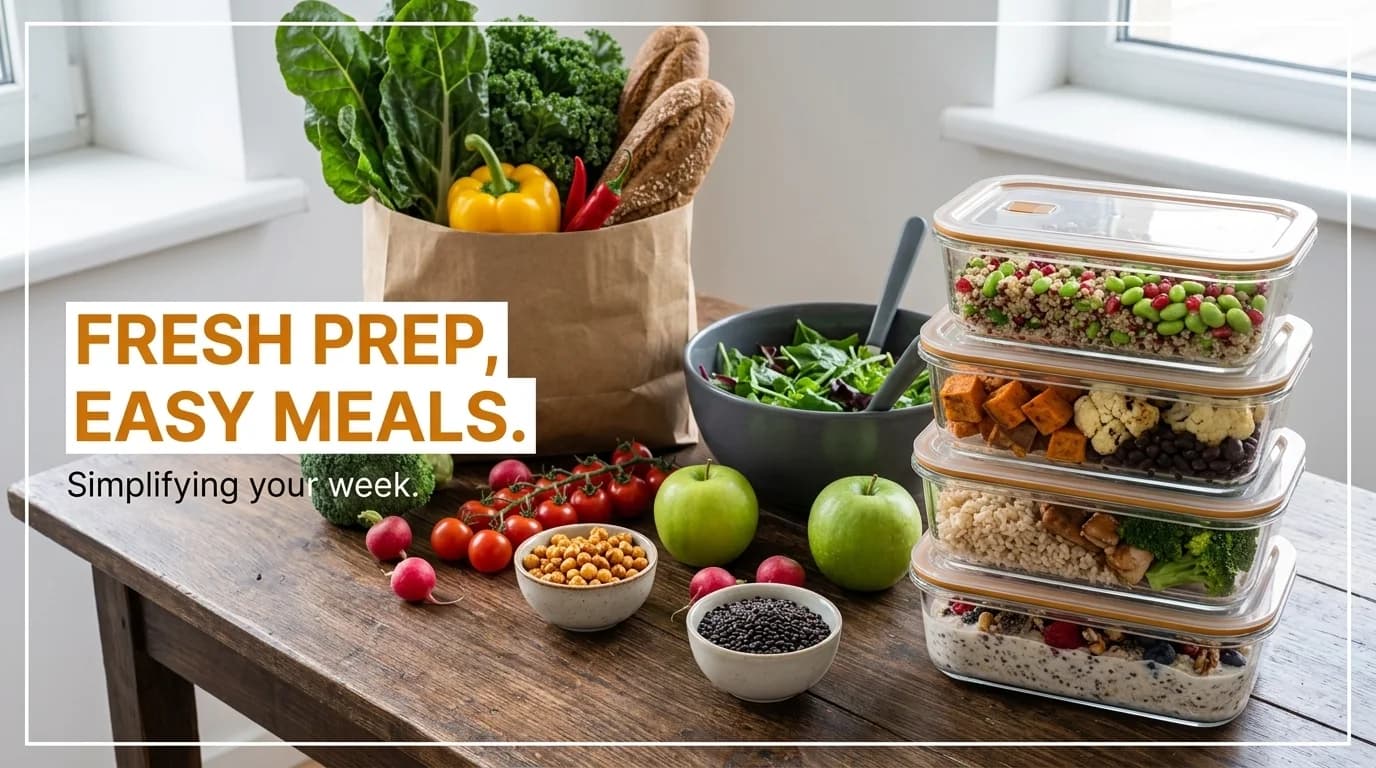
A well-designed meal plan only matters if it turns into actual food on your plate. That requires two practical skills: smart grocery shopping and efficient meal prep.
Getting these two things right is what separates a temporary effort from a routine that holds up over time, including on weeks when you are tired or busy.
How can you create a better grocery list?
Walking into a grocery store without a list is a reliable way to end up with the wrong things. An aisle-organized list saves time, reduces stress, and keeps you moving past the snack food without second-guessing yourself.
Here is a sample grocery list based on the 7-day plan above, organized for a typical supermarket:
Produce (First Stop):
- Veggies:Spinach, bell peppers (grab a few colors), broccoli, asparagus, cucumber, snap peas, zucchini, sweet potatoes, carrots, onions, mushrooms, and root vegetables like parsnips.
- Fruits:Berries (fresh or frozen work great), bananas, peaches, apples, pears, oranges, lemons.
- Aromatics:Fresh garlic.
Protein & Deli:
- Seafood:Salmon fillets, shrimp, canned tuna (packed in water).
- Poultry & Meat:Skinless chicken breasts, lean ground turkey.
- Plant-Based:Hummus, edamame (check the frozen section), firm tofu (optional).
Dairy & Eggs:
- Low-fat plain Greek yogurt, unsweetened almond milk, eggs, and a little low-fat cheese if you're planning that pizza night.
Pantry & Dry Goods (Center Aisles):
- Grains:Rolled oats, quinoa, brown rice, whole-wheat bread, whole-wheat crackers, whole-wheat buns, couscous, whole-wheat pizza crust.
- Legumes:Canned chickpeas, lentils, and black beans (look forlow-sodiumversions).
- Nuts, Seeds & Healthy Fats:Walnuts, almonds, chia seeds, almond butter, olive oil, tahini.
- Canned Goods:Low-sodium marinara sauce.
- Spices & Seasonings:Red pepper flakes.
How do you read nutrition labels for heart health?
The center aisles are where you need to pay attention. Many packaged products contain far more sodium and sugar than the label makes obvious. Getting into the habit of reading nutrition facts matters if you are managing cardiovascular health.
Zero in on sodium, saturated fat, and added sugars. Look for foods withless than 250mg of sodiumand fewer than2g of saturated fatper serving. For trans fats and added sugar, aim for as close to zero as possible.
Also check the ingredients list. A shorter list with recognizable words is usually the better option. Ingredients are listed by weight, so if sugar or salt appears in the first few items, that is a sign to keep looking.
What are the best strategies for meal prep?
A couple of hours on a Sunday can make weeknight meals take minutes instead of an hour. The idea is to handle the time-consuming work upfront so that putting dinner together on a Tuesday night is straightforward.
Practical Meal Prep Strategies:
- Batch Cook Your Grains:Cook a large pot of quinoa or brown rice. Once it cools, portion it into containers.
- Wash and Chop All Your Veggies:This is where most of the time goes. Chop bell peppers, onions, carrots, and broccoli and store them in airtight containers.
- Portion Your Proteins:Grill or bake a few chicken breasts or salmon fillets. Slice them for salads, shred the chicken for wraps, or keep them whole for a quick dinner.
- Prep Your Snacks:Divide almonds, walnuts, or baby carrots with hummus into small grab-and-go bags.
This prep work turns your meal plan from a daily decision into a simple assembly process. When you get home tired after a long day, having everything ready means a healthy stir-fry takes less time than ordering takeout.
Can you fine-tune a diet for specific heart health goals?
Yes, and it is worth doing. A single "heart-healthy diet plan" that works for everyone is a myth because starting points and goals vary widely. Your eating plan should reflect what you are actually trying to achieve: lowering high cholesterol, bringing blood pressure under control, or losing weight to reduce cardiovascular strain.
This means going beyond general advice. The right approach is to follow a dietarypatternproven to move the needle on your specific health metrics. Someone focused on lowering LDL cholesterol should prioritize foods high in soluble fiber, while a person managing hypertension needs to track sodium carefully.
Which dietary patterns actually work for heart health?
While diet trends cycle in and out, a handful of evidence-backed eating patterns have held up consistently in research, showing real cardiovascular benefits. These are not short-term fixes; they are sustainable ways of eating built on whole, nutrient-dense foods.
The three most studied approaches are theMediterranean,DASH, andPlant-Baseddiets. All three share the same basic philosophy: emphasize vegetables, fruits, whole grains, and lean proteins while cutting back significantly on processed food, red meat, and added sugars.
A study involving over147,000people found that those who followed healthy dietary patterns most closely had a30% lower risk of overall mortalityand an18% lower risk of cardiovascular disease. Thefull research on these dietary patternsshows how significant the difference is.
Which one is right for you often comes down to personal preference and what you can realistically sustain day to day.
How do the top heart-healthy diets compare?
Here is a breakdown of the core principles and documented benefits of these three dietary approaches.
| Dietary Pattern | Primary Focus | Key Foods | Proven Heart Health Benefits |
|---|---|---|---|
| Mediterranean Diet | Emphasizes healthy fats, fish, and plant foods, mirroring traditional eating habits of countries bordering the Mediterranean Sea. | Olive oil, fatty fish (salmon, sardines), nuts, seeds, legumes, whole grains, fruits, vegetables, moderate red wine. | Reduces risk of heart disease, lowers "bad" LDL cholesterol, decreases inflammation, and improves overall longevity. |
| DASH Diet | (Dietary Approaches to Stop Hypertension) Specifically designed to lower high blood pressure without medication. | Rich in fruits, vegetables, low-fat dairy, whole grains, poultry, fish, and nuts. Strictly limits sodium, red meat, and sweets. | Significantly lowers systolic and diastolic blood pressure, reduces LDL cholesterol, and decreases the risk of stroke. |
| Plant-Based/Vegetarian | Centers the diet on foods derived from plants, with variations that may or may not include dairy and eggs. | Vegetables, fruits, whole grains, legumes, nuts, seeds, tofu, and tempeh. Excludes all meat and sometimes all animal products. | Associated with lower body weight, reduced blood pressure, lower cholesterol levels, and a decreased incidence of heart disease. |
The common thread across all three is a commitment to whole foods. For a closer look at plant-centric eating, our guide on thevegetarian meal plancovers an approach that fits well within these principles.
The best approach is the one you can stick with over the long term.
How can technology simplify your heart healthy plan?
Keeping to a heart-healthy diet takes real effort. You are tracking recipes, watching calories, monitoring sodium, and building grocery lists—often all at once.
That workload is one of the main reasons people abandon their goals. Modern tools handle the repetitive parts of meal planning, reducing the guesswork and the number of daily decisions you have to make.
How does Kitchendary work?
Instead of spending hours searching for recipes that match your nutritional targets, an AI meal planner does that work in seconds.
When youcreate a personalized meal plan, the tool asks for your specific targets—whether that is lowering cholesterol or managing blood pressure—along with any food preferences or allergies. With that information, it generates a complete, balanced weekly menu almost instantly.
This kind of automation handles the details that matter most for heart health:
- Automatic Macro and Calorie Calculations:Every meal and snack comes with precise nutritional data, so you know you're hitting your targets.
- Smart Grocery Lists:Your weekly plan is instantly converted into an organized shopping list.
- Easy Meal Swaps:You can swap any meal with one click for an alternative that still fits your nutritional goals.
Research consistently backs up the value of structured meal planning. The American Heart Association recognized a36-yearHarvard study as a top advance in 2023. It found that people who followed healthy eating patterns were significantly less likely to die from cardiovascular disease. The specifics of theseheart health and diet findingsare worth reading.
A tool like Kitchendary makes it easier to maintain a heart-healthy diet over time, not just for a week or two. It handles the logistics so the focus stays on eating well. For anyone who wants to manage their diet without the daily overhead, theKitchendaryis a practical place to start.
FAQ
How quickly will I see results on a heart-healthy diet?
You may notice improvements in blood pressure and cholesterol in just a few weeks. The most significant benefits, like a reduced risk of heart attack, come from long-term consistency.
What are the best heart-healthy snacks?
Good options include a handful of unsalted nuts, an apple with almond butter, plain Greek yogurt with berries, or baby carrots with hummus. These snacks provide a mix of fiber, protein, and healthy fats.
Do I have to give up restaurants?
No, but choose wisely. Look for menu items that are grilled, steamed, or baked, and ask for sauces and dressings on the side to control sodium and fat intake.
Is a heart-healthy diet expensive?
It does not have to be. Buying seasonal produce, stocking up on bulk items like beans and oats, and using frozen fruits and vegetables — which are often cheaper and just as nutritious — keeps costs manageable.
What is the worst food for your heart?
Highly processed foods are typically the worst offenders because they are high in sodium, saturated and trans fats, and added sugars, all of which contribute to heart disease risk.
Can I drink coffee on a heart-healthy diet?
Yes, moderate coffee consumption (about 3-4 cups per day) is generally considered safe and may carry some cardiovascular benefit. Avoid adding large amounts of sugar and cream.
How much water should I drink for heart health?
Aim for about 8 glasses (2 liters) of water daily. Staying hydrated helps your heart pump blood more easily and supports overall cardiovascular function.
Is red meat allowed on a heart-healthy diet?
Lean cuts of red meat, such as sirloin or top round, are fine in moderate amounts, roughly 1-2 times per week. The bigger issue is processed red meat (sausage, bacon, deli meats), which is consistently linked to higher cardiovascular risk. Replacing some red meat servings with fish or legumes is one of the most evidence-backed dietary changes for heart health.
What cooking methods are best for heart health?
Grilling, steaming, baking, poaching, and stir-frying with a small amount of olive oil are all good options. Deep frying and cooking with large amounts of butter or lard raises the saturated fat content significantly. Pressure cooking and slow cooking retain nutrients well and work for lean proteins.
Do I need to track sodium if I cook at home?
Cooking at home naturally reduces sodium compared to restaurant meals, which often contain 1,500-2,000 mg in a single dish. That said, it's worth reading labels on condiments, canned goods, and packaged seasonings. Rinsing canned beans before use cuts their sodium by about 40%, and using herbs and citrus in place of salt adds flavor without the cardiovascular downside.