Forget the rigid spreadsheets and the overly ambitious recipes. Creating healthy meal plans you'll actually stick with means building a simple, flexible framework that fitsyourlife—not some idealized version of it.
The Real Secret to Sustainable Meal Planning
Most meal plans don't fail because the food is bad. They fail because the system is too unforgiving. Life happens, things get messy, and a plan that can't bend will eventually break.
The goal isn't perfect execution. It's creating a personal blueprint that cuts decision fatigue while still leaving room for life's curveballs. Less meticulous planning, more building a reliable routine that just works.
A good system worksforyou, freeing up mental energy for things more important than the daily "what's for dinner?" problem.
Core Strategies for Getting Started
Rather than reinventing the wheel every Sunday, lean on a few proven methods that make meal planning feel like second nature. These aren't strict rules, just flexible guidelines to get you started.
- Theme Nights:Assign a simple theme to each night of the week—Meatless Monday, Taco Tuesday, or Pasta Thursday. It instantly narrows down your options and speeds up the whole process.
- Cook Once, Eat Twice:Grilling chicken for dinner? Make a double batch. Tomorrow's lunch can be a quick chicken salad, a wrap, or quesadillas. You just saved yourself a whole cooking session.
- Build a Pantry Power List:Keep a running list of versatile staples you can count on. Canned beans, whole grains like quinoa and brown rice, pasta, and frozen vegetables are all workhorses. A well-stocked pantry is your best defense against last-minute takeout.
Sustainable meal planning comes down to understandinghow to plan weekly meals effectivelyin a way that aligns with your day-to-day reality.
Here's a simple template to get you started. Treat it as a foundation—customize the themes to fit what you and your family actually enjoy eating.
Your Weekly Meal Planning Blueprint
A starting template to structure your week. Themes keep decision-making simple.
| Day | Theme Idea | Sample Meal |
|---|---|---|
| Monday | Meatless Monday | Black Bean Burgers on Whole Wheat Buns |
| Tuesday | Taco Tuesday | Ground Turkey Tacos with Fresh Salsa |
| Wednesday | Global Flavors | Chicken and Veggie Stir-Fry with Rice |
| Thursday | Pasta Night | Whole Wheat Spaghetti with Marinara |
| Friday | Pizza / Fun Night | Homemade Veggie Pizzas on Naan Bread |
| Saturday | Grill / Slow Cook | Slow-Cooker Pulled Pork Sandwiches |
| Sunday | Comfort Food | Roasted Chicken with Root Vegetables |
This isn't set in stone. Swap "Global Flavors" for "Soup & Sandwich Night" or "Pasta Night" for "Breakfast for Dinner." You're just creating a predictable rhythm that makes your week easier.
Defining Your Personal 'Why'
Before you even glance at a recipe, take a moment to define what "healthy" actually means toyou. Is your goal to have more energy throughout the day? Are you trying to get your family to eat more vegetables? Or is it about finding a more balanced diet that just feels good?
Your personal "why" will shape every choice you make. A plan designed for high energy looks very different from one focused on weight management. For a practical example, check out our guide on abalanced meal plan, which shows how to structure meals for overall wellness.
Getting this clarity keeps you from getting sidetracked by the latest trendy diet and helps you build a plan that actually fits your life. This practical, personalized approach is why so many people are turning to smarter planning tools. The global meal planner market is projected to hitUSD 38.71 billion by 2035, with AI-driven tools expected to account for65% of adoptionamong health-conscious users.
The most effective meal plan is the one you don't have to think about. Simple routines and a flexible framework turn a weekly chore into an automatic habit that supports your health goals without adding stress.
How to Build Your Personalized Meal Template
A great meal plan isn't a rigid set of rules; it's a flexible template you create, own, and adapt to your real life. Start with a simple "Recipe Audit"—just take a look at the healthy meals you and your family already enjoy. This isn't about chasing exotic new recipes. It's about leaning into what already works.
Grab a notebook or open a doc and start listing your go-to breakfasts, lunches, and dinners. Don't overthink it. Does everyone get excited for taco night? Is oatmeal your saving grace on hectic mornings? Write it all down. This master list becomes the foundation of your entire system, built around foods you actually like to eat.
With your list ready, the next step pays off on busy weeknights: categorize everything by prep time.
Organize Your Master Recipe List
Create a few simple buckets that reflect your actual schedule. When you're drained after a long workday, you won't have to guess what's manageable—your list gives you the answer.
- Under 15 Minutes:These are your lifesavers. Think quick scrambles, yogurt parfaits, or a simple bagged salad with grilled chicken strips.
- 30-Minute Favorites:This is where most of your weeknight staples live. Sheet-pan chicken and veggies, a quick stir-fry, or a simple pasta dish.
- Weekend/Slow Cooker Meals:These recipes take more hands-on time but often reward you with great leftovers for the week ahead.
Turning your goals and favorite foods into a workable plan is where it all comes together.
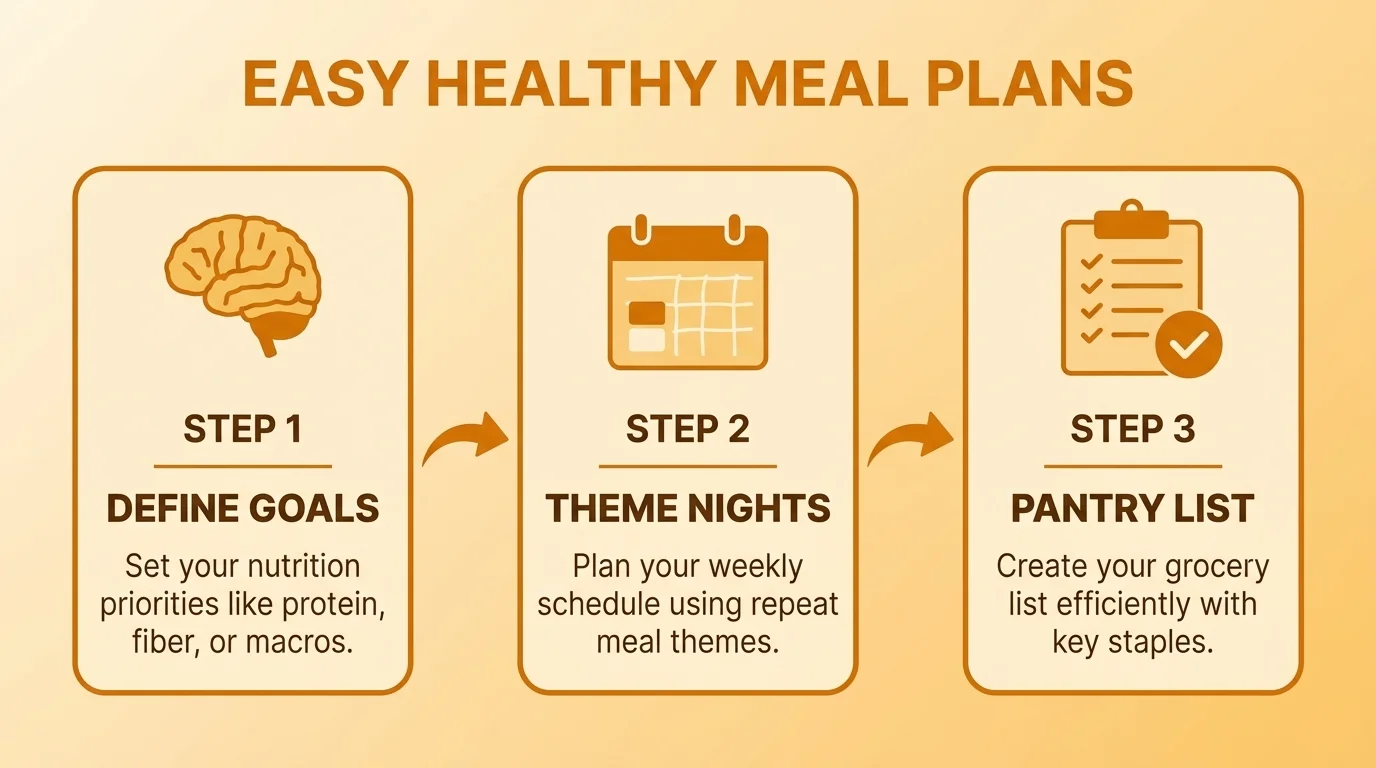
A successful plan connects your health goals to practical strategies, like theme nights or a well-stocked pantry.
Design a Flexible Weekly Grid
Now translate that categorized recipe list into a weekly grid. This isn't about locking yourself into a food jail; it's about creating a loose, helpful structure. A useful starting point is the "Plate Method," where you aim to fill half your plate with non-starchy veggies, a quarter with lean protein, and the final quarter with quality carbs.
Say you pick a "30-Minute Favorite" like lemon-rosemary chicken. Here's how it breaks down:
- Lean Protein:The chicken itself.
- Non-Starchy Veggies:A big helping of roasted broccoli and carrots.
- Carbohydrates:A small scoop of quinoa or half a baked sweet potato.
This visual approach makes building a balanced meal straightforward, no calorie-counting apps required.
The whole point is to build a practical tool you can rely on, not a strict document that makes you feel guilty. A good template has to account for real life, which means planning for leftovers, penciling in a night out, and accepting that some evenings will just be 'fend for yourself' nights.
Leave a few spots open in your weekly grid. Maybe Friday is your designated "leftover night," or Saturday is always reserved for takeout or a dinner out. Built-in flexibility is what makes a meal plan sustainable long-term.
If you'd rather skip the manual setup, you can always use ameal plan generatorto create a customized starting point in seconds.
Your personalized template becomes a reusable resource over time. Each week, you plug in meals from your master list, creating combinations you know your family will actually eat.
Mastering the Smart Grocery Run
A great meal plan on paper is one thing, but a kitchen stocked with the right ingredients is what actually makes it happen. The grocery run is where planning meets reality, and a smart approach here saves you time, money, and stress throughout the week. The mission isn't just to "buy food"—it's to get in and out with exactly what you need.
This means ditching the aimless wandering. A disorganized list, or worse, no list at all, leads to multiple trips back to the store for that one forgotten item. One focused trip per week is the goal. It cuts down on impulse buys that quietly inflate your grocery bill.
Treat your shopping list as your plan. Before you grab your keys, organize it to match the layout of your grocery store: produce first, then proteins, pantry staples, and frozen items. This simple habit stops you from backtracking and keeps you moving efficiently. If you're stuck on what to put on that list, ourweekly meal plannercan generate ideas that fit your health goals.
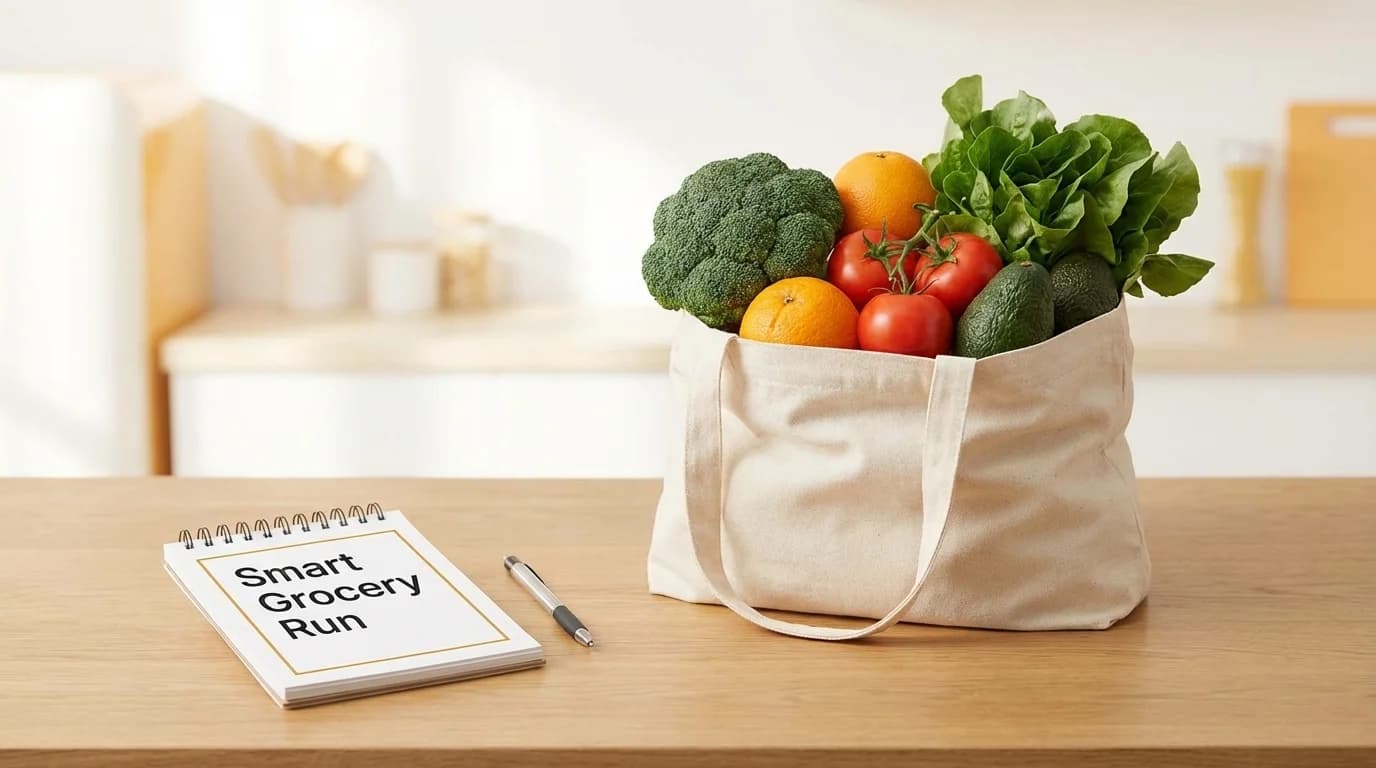
Shop the Perimeter for Whole Foods
Here's a classic strategy that works: shop the perimeter. Most grocery stores are set up with all the fresh, whole foods around the outer edges. That's where you'll find the real building blocks for your meals.
- Fresh Produce:Always start here. Fill your cart with colorful, non-starchy vegetables and fruits that will form the base of your dishes.
- Lean Proteins:Head to the butcher counter and dairy section for chicken, fish, lean meats, eggs, and Greek yogurt.
- Whole Grains:You'll need to make a quick detour into the center aisles for essentials like quinoa, brown rice, oats, and whole-wheat bread, but don't linger.
Sticking mostly to the perimeter naturally fills your cart with nutrient-dense foods and keeps you away from the heavily processed, packaged goods in the middle aisles.
Your Pantry and Freezer Are Your Allies
Never underestimate the pantry and freezer. Stocking up on shelf-stable and frozen foods is one of the smartest, most budget-friendly moves you can make. They're what keep your meal plan on track when fresh supplies run low.
A well-stocked pantry and freezer are your insurance against last-minute takeout. Having versatile, long-lasting ingredients on hand means you can always pull together a nutritious meal, even when your fresh supplies are running low.
Frozen fruits and vegetables are just as nutritious as fresh—sometimes even more so, since they're often flash-frozen at peak ripeness. They work well in smoothies, stir-fries, and soups. The same goes for canned goods like beans, lentils, and diced tomatoes; they're cheap, packed with protein and fiber, and can form the base of countless quick meals. Keeping these staples on hand makes your meal plans more flexible and more affordable.
Meal Prep for People Who Hate Meal Prep
The very idea of "meal prep" can bring on a wave of exhaustion. Who really wants to spend their entire Sunday tethered to the kitchen, boxing up a week's worth of identical meals? It's enough to make you reach for takeout before you've even started.
What if you reframed the whole concept? Forget cooking five full meals at once. Focus instead on small, strategic tasks that save you a significant amount of time and stress later in the week.
This is meal prep for the rest of us. It's about being smarter with your time, not just spending more of it cooking. This shift in mindset is what makes healthy meal plans actually stick. Not Instagram-worthy perfection—just things that genuinely make your evenings easier.
Embrace Component Prepping
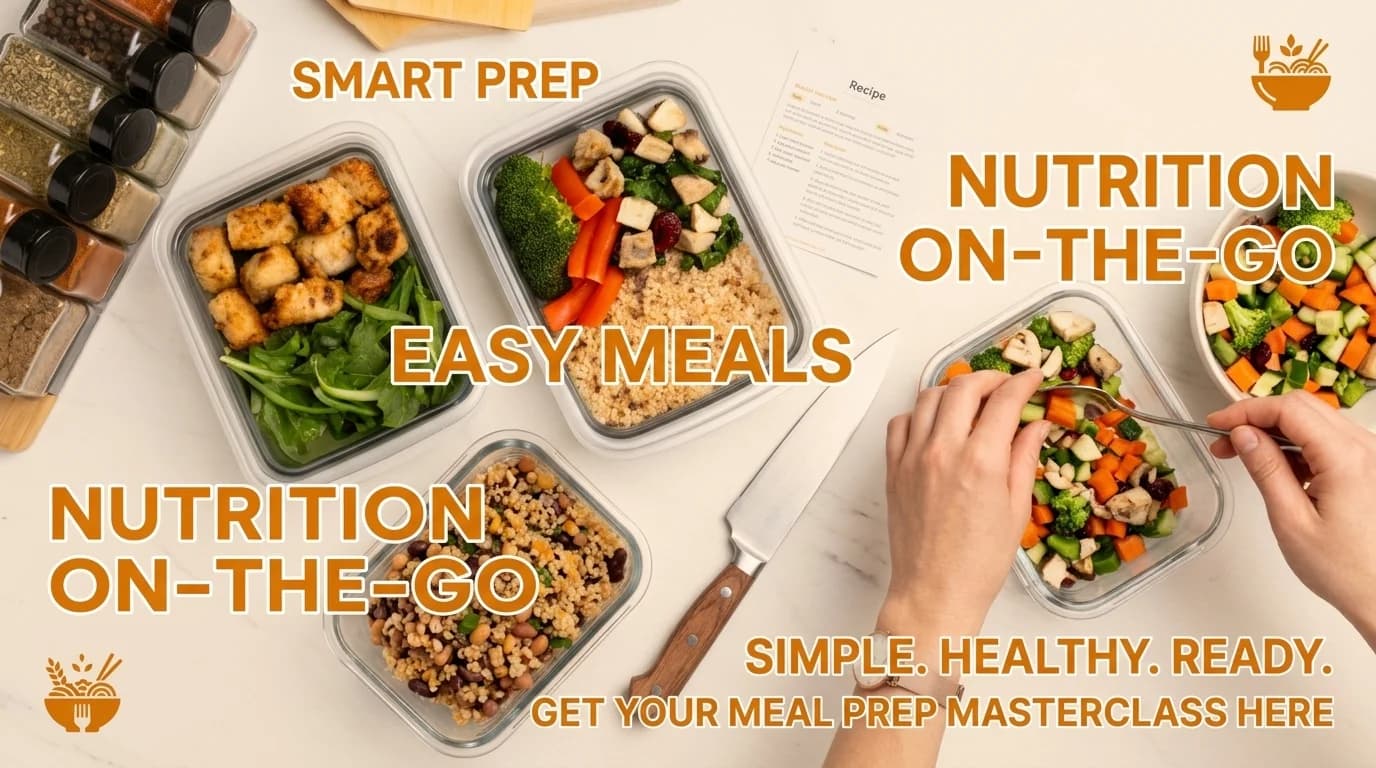
Rather than assembling complete meals, try"component prepping."This approach works well for anyone who gets bored eating the same thing all week. You prepare a few versatile ingredients that can be mixed and matched to create different dishes on the fly.
You're essentially creating your own personal salad bar or build-a-bowl station right in your fridge. Spending just one hour on Sunday making:
- A big batch of quinoa or brown rice.
- A sheet pan of roasted vegetables like broccoli, bell peppers, and carrots.
- A few grilled chicken breasts or a batch of seasoned lentils.
With these building blocks in the fridge, a healthy dinner is always just minutes away. Tuesday night could be a quick quinoa bowl with chicken and veggies. Wednesday, use those same ingredients to stuff a whole-wheat wrap. It's a practical way to avoid recipe fatigue.
For keeping these components fresh and organized, especially if you're short on space, it's worth looking into smart storage likecollapsible silicone food containers.
Master the 10-Minute Time-Savers
You don't need a huge block of time to make a real difference. Small pockets of time throughout your day add up. These are simple habits that take just minutes but save mental energy when you're tired and hungry later.
- Pre-chop your aromatics:While your coffee is brewing in the morning, dice an onion or mince some garlic. Stashing these in an airtight container means you're halfway done with dinner before you even start.
- Wash and prep greens:As soon as you get home from the grocery store, wash and dry your lettuce, kale, or spinach. Having clean greens ready makes throwing together a side salad much faster.
- Assemble smoothie packs:Portion out fruit, spinach, and a scoop of protein powder into individual freezer bags. In the morning, just dump one into the blender with some almond milk for an instant breakfast.
The goal of smart prep is to do your future self a favor. Every vegetable you chop and every grain you cook is one less task standing between you and a healthy meal after a long day.
Choosing the right meal prep strategy is about balancing the time you have with the results you want. Some methods take more upfront effort but pay off all week, while others are quick wins.
Here's a quick guide to help you find the approach that fits your life right now.
Effort vs. Impact Meal Prep Guide
| Prep Method | Time Commitment | Best For | Example |
|---|---|---|---|
| Full Meal Prep | 2-3 hours | Busy professionals who want grab-and-go meals. | Cooking 5 containers of chicken, broccoli, and rice. |
| Component Prep | 1-2 hours | People who value variety and flexibility. | Roasting a pan of veggies and cooking a large batch of quinoa. |
| 10-Minute Savers | 10 mins daily | Anyone feeling overwhelmed or short on time. | Chopping an onion while waiting for water to boil. |
| Freezer Prep | 1-2 hours | Families and those who want long-term meal solutions. | Assembling smoothie packs or freezing soup portions. |
No matter which method you lean toward, consistency over a few weeks is what builds a lasting habit. Start small, see what works, and adjust as you go.
This simplified approach to healthy eating is driving real industry growth. The healthy meal delivery service market was valued atUSD 10,581.2 millionin 2024 and is projected to keep growing. By adopting these small-scale prep habits, you can get that same convenience right in your own kitchen.
Navigating Common Meal Planning Roadblocks
No matter how well you map out your meals, life will eventually throw a wrench in the works. The goal isn't to create a bulletproof plan—it's to build a flexible one that can take a hit without crumbling.
A late meeting, a sick kid, or just plain exhaustion can turn a well-intentioned plan into a source of stress. Having a few simple strategies ready lets you pivot easily without derailing the whole week.
Overcoming Recipe Burnout
You find a few healthy meals you actually like, and you make them on repeat. Then, one day, the thought of eating yet another grilled chicken salad makes you want to dial the nearest pizza place. That's recipe burnout, and it's a top reason why people give up on meal planning.
The fix isn't about spending hours hunting for new, complicated recipes every week. Focus on small variations of the dishes you already know and love.
- Protein Swap:Instead of chicken in your go-to stir-fry, try it with shrimp or some pan-fried tofu.
- Spice It Up:A simple switch from Italian seasoning to a taco blend can completely change the character of a dish without any extra effort.
- Vary the Veggies:If you always reach for broccoli and carrots, try tossing in some snap peas, colorful bell peppers, or even bok choy for a new texture and flavor.
These small tweaks are enough to keep your meals interesting without scrapping a system that already works.
When You Have Zero Motivation to Cook
Some days, you just don't have it in you. The thought of chopping, sautéing, or even just turning on the oven feels like a monumental task. For these moments, you need a pre-planned backup: the emergency meal.
These are your go-to, minimal-effort options for when you're running on fumes.
An emergency meal isn't a failure; it's a planned part of a realistic system. Having a healthy, 5-minute option ready to go is what prevents a moment of low motivation from turning into an unhealthy impulse decision.
Keep a few key ingredients stocked for these occasions. Rotisserie chicken for quick salads or wraps, eggs for a fast scramble on whole-wheat toast, or a "power bowl" with canned beans, pre-cooked quinoa, and a dollop of salsa.
Another useful option on these nights is a meal kit. The market for these services is projected to hitUSD 105.03 billion by 2034as more people look for convenient ways to eat well. You can read more about themeal kit delivery services market trends on towardsfnb.com.
Handling Picky Eaters
Cooking for a household with different tastes can feel like solving a puzzle every single night. The answer here is the "build-your-own" meal.
Rather than one finished dish, you put out a spread of healthy components and let everyone assemble their own plate.
For example, on pasta night, you could lay out:
- Whole-wheat pasta
- A simple tomato sauce
- Grilled chicken strips or meatballs
- A bowl of steamed broccoli
One person can have a classic pasta dish, while someone else might opt for just the chicken and veggies. You cook one meal, but everyone eats what they like. It's a straightforward strategy that respects different preferences without creating extra work for the cook.
Got Questions About Meal Planning?
Reading about meal planning is one thing; making it work in your own busy life is another. When you first start, a lot of questions come up. That's completely normal.
Here are some of the most common hurdles, with straightforward answers so you can build a system that actually sticks.
How Do I Plan Meals for a Family with Different Tastes and Diets?
This is probably the most common question. Juggling a picky eater, a low-carb diet, and a vegetarian all under one roof sounds impossible, but it's not. The answer is"build-your-own" meals.
Rather than making three different dinners, you make one core meal with lots of customizable parts.
A good example is taco night. You can prepare seasoned ground turkey and a big pot of black beans. Then set up a toppings bar:
- Shredded lettuce, chopped tomatoes, and onions
- Shredded cheese and sour cream (or a dairy-free alternative)
- Salsa, guacamole, and jalapeños
- Hard shells, soft tortillas, and big lettuce wraps for a low-carb option
One person can make classic tacos, someone else can build a taco salad, and another can have a vegetarian bowl. You cook once, and everyone eats a meal they like. The same strategy works well for grain bowls, pasta bars, and homemade pizzas.
I'm a Complete Beginner. Where on Earth Do I Start?
If you're brand new to this, the best advice is tostart small. Don't try to plan a month's worth of meals. The thought of planning21meals right out of the gate is enough to make anyone give up.
Just plan three dinners for this week. Pick recipes you already know and love—the ones you can practically make with your eyes closed. Once you get through that first week, try planning four dinners next week. Then maybe five.
The goal isn't instant perfection; it's gradual progress. Each small win builds the momentum you need to turn this into a real, lasting habit. A slow and steady approach takes the pressure off and makes the whole thing feel achievable.
How Much Money Can I Realistically Save with Meal Planning?
The savings are real, and they come from a couple of key places. First, you'll cut yourfood wastesignificantly. When every ingredient you buy has a specific job, you stop finding sad, wilted vegetables in the back of your fridge. That alone makes a meaningful difference to your budget.
Second, having a plan is your best defense againstimpulse buys and last-minute takeout.When you know there's a good meal waiting for you at home, you're far less likely to order a$20pizza after a long day. Over the course of a month, those savings add up fast.
FAQ
How Do I Plan Meals for a Family with Different Tastes and Diets?
This is probably the most common question. Juggling a picky eater, a low-carb diet, and a vegetarian all under one roof sounds impossible, but it's manageable. The answer is 'build-your-own' meals.
I'm a Complete Beginner. Where on Earth Do I Start?
Start small. Don't try to plan a month's worth of meals. The thought of planning 21 meals right out of the gate is enough to make anyone give up before they've begun.
How Much Money Can I Realistically Save with Meal Planning?
The savings are real, and they come from a couple of key places. First, you'll cut your food waste significantly. When every ingredient you buy has a specific job, you stop finding sad, wilted vegetables in the back of your fridge. That alone makes a real difference to your budget.