A vegetarian reaches 150g of protein a day by eating four times and putting 35 to 45g of protein in each sitting. One meal built around a single high-protein food cannot carry the day, and three small ones leave you 40g short at 9pm. Four medium ones add up.
Numbers are rounded from USDA FoodData Central. Seitan is a typical label value, and protein powders differ by brand. Tofu ranges from about 10 to 17g of protein per 100g depending on brand and firmness, and this guide assumes 15g, so check your own label and adjust.
The foods that get you to 150g
These are the vegetarian foods with the most protein per serving. The last column shows how much protein you get for every 100 calories, which matters once your calorie budget is tight.
| Food | Serving | Protein | Calories | Protein per 100 kcal |
|---|---|---|---|---|
| Whey protein powder | 1 scoop (30g) | 23g | 105 | 22g |
| Nonfat Greek yogurt | 250g | 25g | 150 | 17g |
| Seitan | 100g | 21g | 130 | 16g |
| Soya chunks (dry) | 50g | 26g | 185 | 14g |
| Low-fat cottage cheese | 200g | 22g | 170 | 13g |
| Extra-firm tofu | 200g | 30g | 290 | 10g |
| Tempeh | 100g | 20g | 190 | 11g |
| Edamame, shelled | 1 cup | 18g | 190 | 9g |
| Eggs | 2 large | 12g | 145 | 8g |
| Lentils, cooked | 1 cup | 18g | 230 | 8g |
| Paneer | 100g | 16g | 300 | 5g |
| Chickpeas, cooked | 1 cup | 14g | 270 | 5g |
| Peanut butter | 2 tbsp | 7g | 190 | 4g |
Nuts and nut butters sit at the bottom for a reason. They are good food, but you would need 4,000 calories of peanut butter to reach 150g of protein. Use them for flavor and build the meal on something from the top half of the table.
A 150g day with eggs and dairy
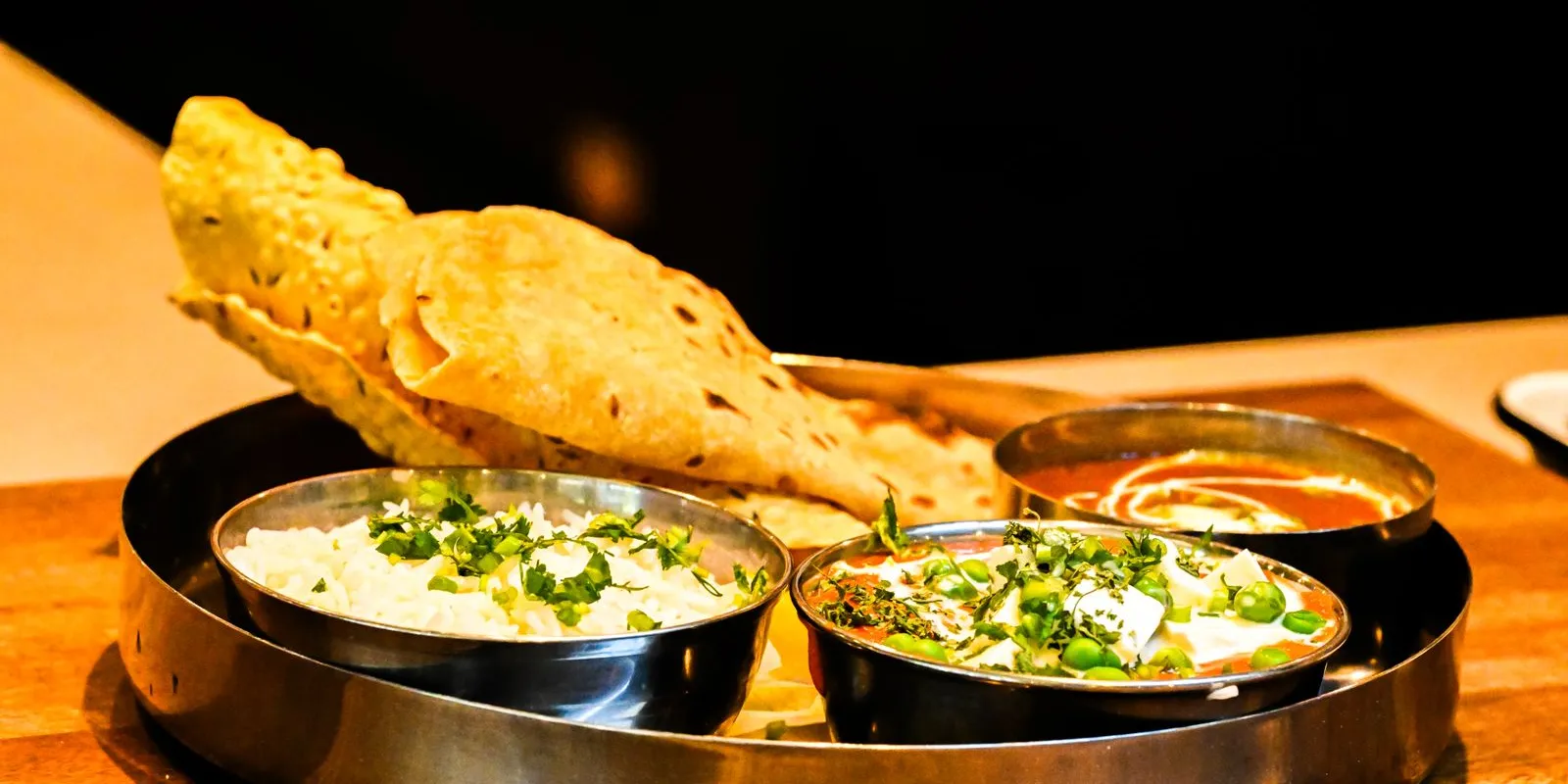
This day has four sittings and uses food you can buy in any supermarket.
| Meal | What you eat | Protein | Calories |
|---|---|---|---|
| Breakfast | 250g nonfat Greek yogurt, 40g oats, 2 tbsp hemp seeds | 36g | 410 |
| Lunch | 1 cup cooked dal, 120g paneer, 1 cup cooked rice | 41g | 795 |
| Afternoon | 1 scoop whey blended with 1 cup skim milk | 31g | 190 |
| Dinner | 200g extra-firm tofu, half a cup of edamame, 1 cup cooked brown rice, stir-fried vegetables | 44g | 630 |
| Total | 152g | 2,025 |
Cooking oil and the vegetables at dinner add 150 to 250 calories, so plan for about 2,200 to 2,300 in total. If that is above your target, swap the paneer for 200g of cottage cheese. You gain 3g of protein and drop about 190 calories.
A 150g day with no eggs or dairy
The vegan version leans on soy and wheat protein, which have the best protein-to-calorie ratio among plant foods.
| Meal | What you eat | Protein |
|---|---|---|
| Breakfast | Scramble of 200g extra-firm tofu, 2 slices whole wheat toast | 38g |
| Lunch | 150g tempeh, 1 cup cooked quinoa, half a cup of black beans | 46g |
| Afternoon | 1 scoop soy or pea protein with 1 cup soy milk | 29g |
| Dinner | 100g seitan, 1 cup cooked lentils, roasted vegetables | 39g |
| Total | 152g |
Is 150g the right number for you?
The International Society of Sports Nutrition's position stand on protein recommends 1.4 to 2.0g per kg of body weight a day for people who train. A 2018 meta-analysis by Morton and colleagues in the British Journal of Sports Medicine found that muscle gain from extra protein levels off at about 1.6g per kg.
At 1.6g per kg, 150g matches a body weight of 94 kg. At 2.0g per kg it matches 75 kg. If you weigh 60 kg, 96 to 120g covers the same range and is far easier to eat. The calorie and macro calculator gives you a figure for your own weight and goal.
Four habits that make the number repeatable
- Start the day at 35g. A breakfast of toast and fruit has about 8g, and you spend the rest of the day catching up.
- Cook protein in bulk twice a week. A tray of baked tofu and a pot of lentils on Sunday cover four lunches.
- Keep one fallback. A shake or a tub of cottage cheese closes a 25g gap in two minutes.
- Write the week down. When Tuesday's dinner is already decided, you buy the tofu on Saturday.
For a full week of meals in this style, see the high protein vegetarian meal plan or the ready-made vegetarian plan.
Sources
- USDA FoodData Central for the protein and calorie values of whole foods.
- Jäger R. et al., International Society of Sports Nutrition Position Stand: protein and exercise, Journal of the International Society of Sports Nutrition, 2017.
- Morton R.W. et al., A systematic review, meta-analysis and meta-regression of the effect of protein supplementation on resistance training-induced gains in muscle mass and strength in healthy adults, British Journal of Sports Medicine, 2018.
FAQ
Can a vegetarian really eat 150g of protein a day?
Yes. Four meals of 35 to 45g each get you there. A typical day is Greek yogurt with oats and hemp seeds at breakfast, dal with paneer at lunch, a whey and milk shake in the afternoon, and tofu with edamame at dinner. That adds up to about 152g.
Do I need protein powder to reach 150g?
No, but it makes the day easier. One scoop adds about 23g for roughly 105 calories. To replace it with food, add 250g of Greek yogurt (25g) or 200g of cottage cheese (22g) for slightly more calories.
How many calories does a 150g protein vegetarian day take?
The sample days in this guide land at about 2,000 calories before cooking oil and extra vegetables. Protein itself accounts for 600 of those calories, since each gram has 4.
Is 150g of protein too much?
It depends on your weight and training. The International Society of Sports Nutrition suggests 1.4 to 2.0g per kg of body weight for people who exercise, so 150g fits someone between about 75 and 95 kg. If you have kidney disease, ask your doctor before raising protein.
How do I get 150g of protein on a vegetarian Indian diet?
Build meals around paneer (about 16g per 100g), soya chunks (about 26g per 50g dry), dal (about 18g per cooked cup), curd or Greek yogurt, and milk. A day of yogurt and oats, dal with paneer, a whey shake with milk, and a curry made with 75g of dry soya chunks over rice reaches about 150g.
Do I have to combine plant proteins at every meal?
No. Eating a mix of legumes, grains, soy and dairy across the day covers the essential amino acids. You do not need to pair rice and beans on the same plate.