Your workout doesn't end with the last rep. It ends with what you eat next. Post-workout nutrition is where the real adaptation happens — muscle fibers rebuild, glycogen stores refill, and inflammation settles. Skip this window, or fill it with the wrong foods, and you slow all three down.
The good news: the best foods for post-workout recovery aren't exotic or expensive. Most of them are already in your kitchen. The principle is straightforward — pair quality protein with smart carbohydrates, get both in within about an hour of finishing, and your body handles the rest. To understand why the timing matters at a metabolic level, this overview of post-exercise metabolism in fed vs. fasted states is worth a read.
Below are 8 recovery foods that actually hold up — with specific reasons why each one works, and practical tips for using them in your routine.
1. Greek Yogurt with Berries
Greek yogurt paired with antioxidant-rich berries has an ideal macronutrient profile for recovery. The straining process removes most of the whey and lactose, producing a thicker product with nearly double the protein of regular yogurt. That protein concentration is what drives muscle protein synthesis — the process your body uses to repair and rebuild fibers damaged during exercise.
Adding berries brings simple carbohydrates that quickly replenish depleted glycogen, your muscles' primary fuel source. The protein-carb pairing is what makes this combination genuinely effective rather than just convenient. It's a common fixture in elite athlete nutrition plans, from Olympic swimmers to professional tennis players, because it delivers real results without complexity.
Why It Works for Recovery
Consuming a mix of protein and fast-digesting carbohydrates within the 30-60 minute window post-exercise can meaningfully accelerate recovery. The probiotics naturally present in Greek yogurt also play a useful role by supporting gut health, which improves nutrient absorption and helps keep inflammation in check.
This infographic summarizes the primary recovery benefits of a Greek yogurt and berry combination.
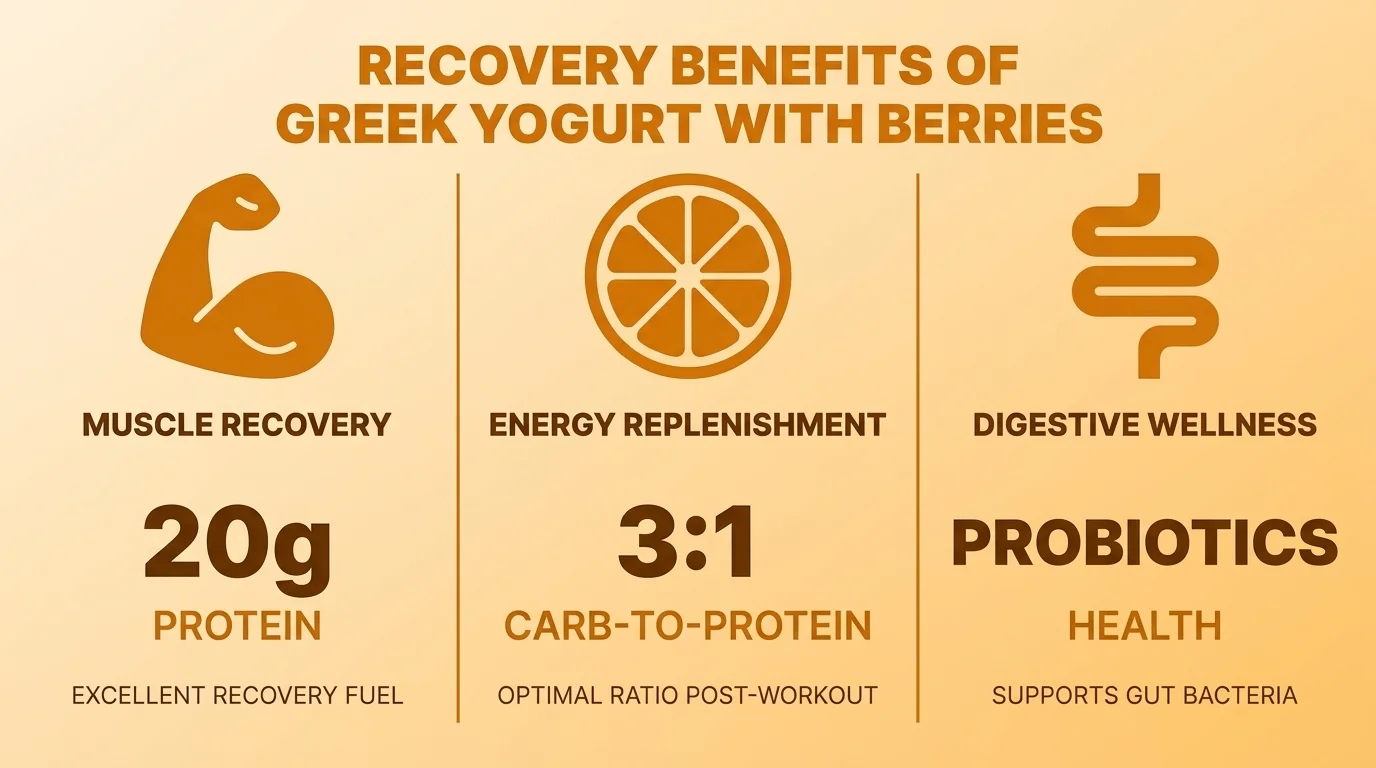
A high protein intake, a solid carb-to-protein ratio, and gut-health support in one simple meal make this a top-tier recovery choice.
Practical Tips for Your Post-Workout Meal
- Choose Plain Yogurt:Opt for plain, unsweetened Greek yogurt to avoid added sugars. A single serving can pack over 20 grams of protein.
- Time It Right:Eat your yogurt bowl within 30-60 minutes after your workout to get the most from the window for muscle repair and glycogen replenishment.
- Boost Your Carbs:For intense or long-duration workouts, add a tablespoon of honey or a sprinkle of granola for additional quick-digesting carbohydrates.
- Add Healthy Fats:Mix in a tablespoon of chia seeds or ground flaxseeds to incorporate anti-inflammatory omega-3 fatty acids.
This meal appears regularly in athlete nutrition plans, including vegetarian ones. For more ideas on incorporating high-protein vegetarian options into your diet, explorevegetarian meal plans on Kitchendary.
2. Chocolate Milk
Chocolate milk has gone from childhood staple to scientifically-backed recovery drink, and the evidence is solid. It naturally provides a carbohydrate-to-protein ratio of around 3:1 or 4:1 — well within the range recommended for replenishing muscle glycogen while starting muscle repair. The drink contains both whey and casein proteins; whey digests fast to kickstart recovery, while casein releases amino acids more gradually over the following hours.
Landmark research from Indiana University found chocolate milk to be as effective as commercial sports drinks for recovery. That's part of why the US Olympic swimming team, various NBA franchises, and professional cycling teams have added it to their official recovery protocols. It's affordable, convenient, and it works.
Why It Works for Recovery
The simple sugars from the chocolate and milk restore depleted glycogen quickly, while the high-quality dairy protein supplies the amino acids needed for muscle protein synthesis. It also rehydrates and replenishes electrolytes — calcium, potassium, and sodium — lost through sweat during intense exercise.
Collegiate and high school athletic programs have used it widely because it demonstrably reduces muscle soreness and supports performance in subsequent sessions.
Practical Tips for Your Post-Workout Meal
- Optimal Timing and Amount:For best results, consume 16-20 ounces within the first 30 minutes after completing your workout.
- Choose Low-Fat Options:Select low-fat (1% or 2%) versions to get the ideal nutrient balance without excessive fat and calories.
- Keep It Convenient:Keep shelf-stable, single-serving boxes in your gym bag for an immediate recovery drink.
- Enhance for Intense Workouts:After a particularly hard session, pair your chocolate milk with a banana to add extra potassium and carbohydrates.
- Check the Label:Look for brands with minimal added sugars and artificial ingredients to get the most from it.
This budget-friendly drink fits well into many high-performance nutrition plans. For those building a diet focused on muscle gain, incorporating straightforward recovery foods like chocolate milk is a good place to start. You can find more strategies in variousmuscle gain meal plans on Kitchendary.
3. Salmon with Sweet Potato
Salmon paired with sweet potato is a whole-food approach to post-workout recovery that combines high-quality protein, omega-3 fats, and complex carbohydrates in one meal. A single 4-ounce serving of salmon delivers approximately 25 grams of protein for repairing muscle tissue, along with EPA and DHA — omega-3 fatty acids with well-documented anti-inflammatory effects on exercise-induced damage.
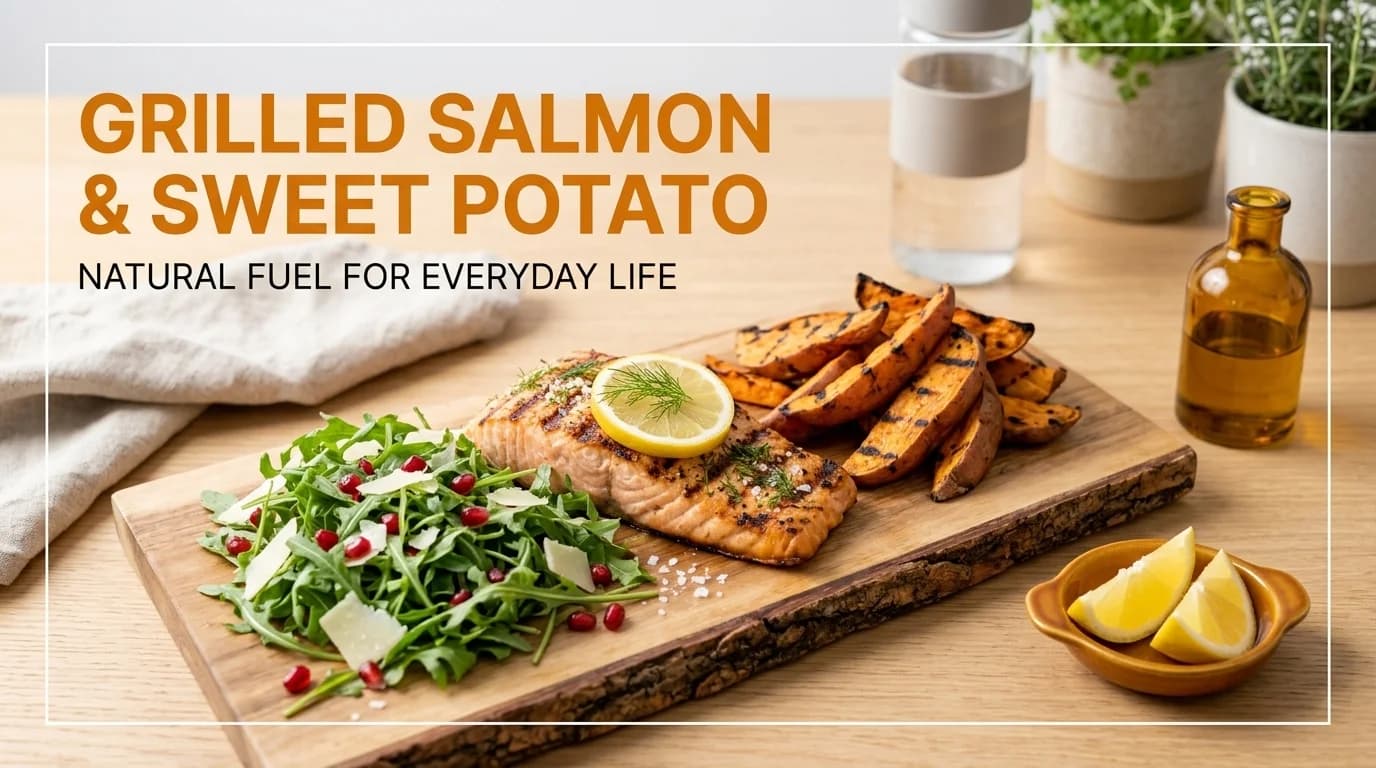
The sweet potato complements this with complex carbohydrates that steadily restore glycogen without spiking blood sugar. This meal shows up regularly in the nutrition plans of NFL training tables and endurance athletes like triathlete Mirinda Carfrae — a signal that it holds up under serious training demands.
Why It Works for Recovery
This meal targets recovery on two fronts. The salmon protein provides the amino acids needed for muscle protein synthesis, while the omega-3 fatty acids work to reduce systemic inflammation and soreness. At the same time, the slow-digesting carbohydrates from the sweet potato replenish energy steadily, making the overall recovery process more complete. It's best suited as a full meal 1-2 hours after training rather than as an immediate post-workout snack.
Practical Tips for Your Post-Workout Meal
- Choose Wisely:Opt for wild-caught salmon, as it generally has a higher concentration of omega-3s and fewer contaminants compared to farmed varieties.
- Cook for Health:Bake or grill the salmon instead of frying to preserve its delicate fatty acids and overall nutritional integrity.
- Prep Ahead:Cook a few fillets and sweet potatoes at the start of the week for quick and convenient post-workout meals.
- Improve Nutrient Absorption:Drizzle the sweet potato with a little olive oil to improve the absorption of fat-soluble vitamins like Vitamin A.
- Portion Correctly:Aim for a 4-6 ounce serving of salmon with one medium-sized sweet potato to hit the right macronutrient ratio for recovery.
This nutrient-dense meal fits naturally into a heart-healthy diet. You can find more recipes featuring salmon and other whole foods in variousMediterranean meal plans on Kitchendary.
4. Eggs with Whole Grain Toast
Eggs paired with whole grain toast is a reliable combination that has earned its place in post-workout nutrition. Eggs have the highest biological value of any whole food protein source, meaning your body absorbs and uses nearly all the protein they contain. This makes them particularly efficient for repairing muscle tissue after intense exercise.
Whole grain toast adds complex carbohydrates that refill depleted muscle glycogen without the rapid blood sugar spike of refined bread. The protein-carb combination covers the two primary recovery needs in one straightforward meal. It's been a staple for decades — bodybuilders, powerlifters, and professional cyclists have all leaned on it for exactly this reason.
Why It Works for Recovery
A single large egg provides about six grams of high-quality protein, including all nine essential amino acids needed for muscle protein synthesis. The yolk is where most of the micronutrients live — vitamin D, choline, and healthy fats that support inflammation reduction and metabolic health. Skipping the yolk means leaving those behind. The whole grain toast adds sustained energy without overloading digestion.
This balance of macronutrients supports immediate muscle repair and longer-term energy restoration, making it a practical choice within the post-workout window.
Practical Tips for Your Post-Workout Meal
- Go for Whole Eggs:Consume 2-4 whole eggs depending on your workout intensity and body size. Don't discard the yolks, as they contain many important recovery nutrients.
- Choose the Right Bread:Opt for 100% whole grain or whole wheat bread to ensure you're getting fiber and complex carbohydrates, not refined grains.
- Add Healthy Fats:Top your toast with sliced avocado for extra healthy fats, fiber, and potassium, which helps regulate fluid balance.
- Meal Prep for Convenience:Hard boil a batch of eggs at the start of the week for a quick and easy post-workout protein source.
- Add Micronutrients:Mix in a handful of spinach or sautéed vegetables to get extra vitamins, minerals, and antioxidants.
5. Protein Smoothie with Banana and Nut Butter
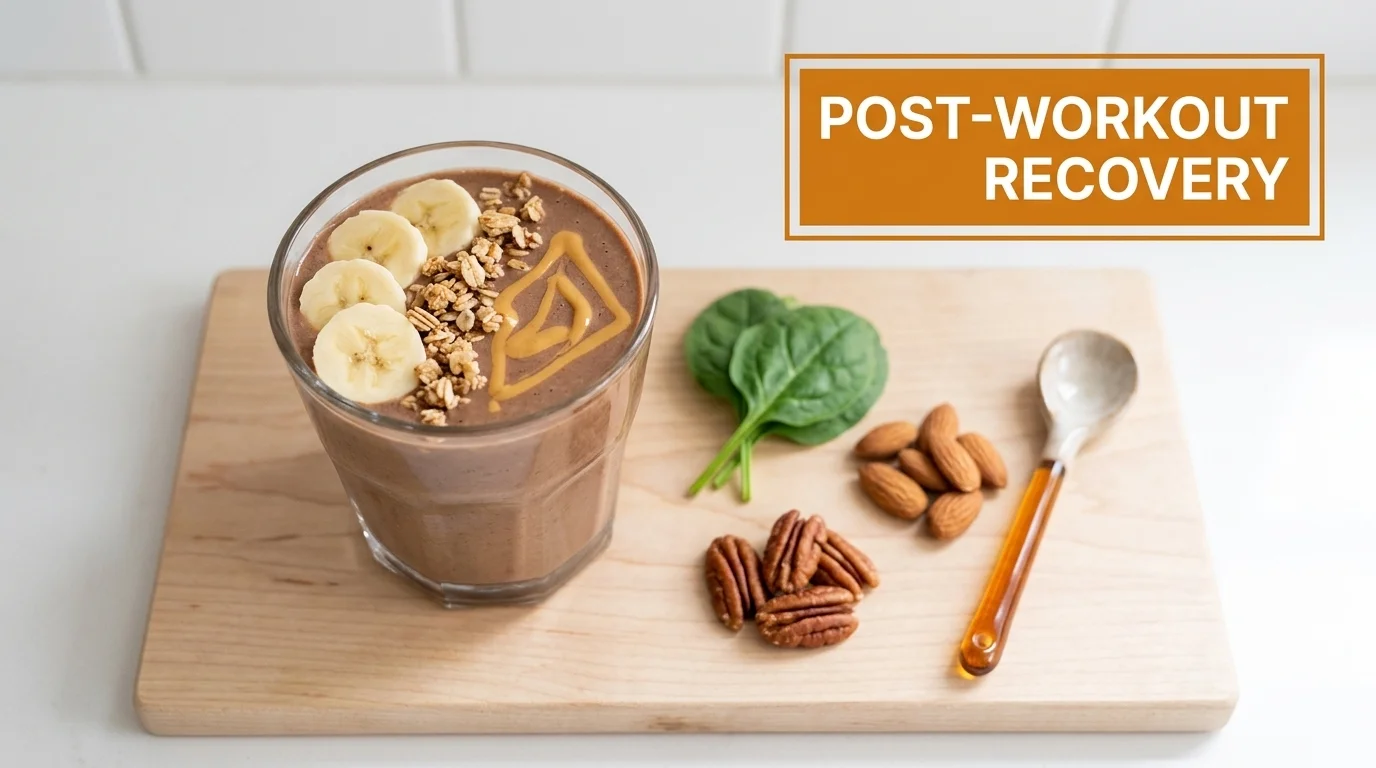
A protein smoothie is one of the most practical ways to get post-workout nutrition in quickly. Combining protein powder, banana, and nut butter gives you fast-acting protein for muscle repair, carbohydrates for glycogen replenishment, and healthy fats for sustained energy and reduced inflammation. The liquid form digests quickly and sits well on the stomach when solid food feels unappealing after a hard session.
NBA teams have dedicated nutritionists who prepare custom smoothies for players post-game to start recovery immediately. Tour de France cyclists consume them between stages to refuel before the next day's ride. The format works precisely because it delivers nutrients fast without requiring digestion capacity you may not have right after training.
Why It Works for Recovery
Protein powder — whether whey isolate for rapid absorption or a plant-based alternative — delivers essential amino acids directly to muscle tissues to begin repair. The banana provides a mix of simple and complex carbohydrates that restore glycogen quickly, while the nut butter adds healthy fats and additional protein, slowing the insulin response and extending satiety. The liquid base also contributes to rehydration. You can adjust every ingredient to match your workout intensity and goals.
Practical Tips for Your Post-Workout Meal
- Protein First:Use 1-2 scoops of your preferred protein powder (whey, casein, or plant-based) to ensure you get 25-40 grams of protein.
- Time It Right:Drink your smoothie within 30 minutes after your workout to take full advantage of the post-exercise window for muscle repair.
- Balance Your Macros:Add one medium banana and 1-2 tablespoons of nut butter (like almond or peanut butter) to create a balanced macronutrient profile.
- Add Nutrients:Include a handful of spinach for extra vitamins and minerals without altering the taste. For more complex carbs after an intense session, add 1/4 cup of rolled oats.
- Get the Consistency Right:Blend all ingredients with one cup of water, milk, or a plant-based milk alternative until smooth. Add ice for a colder texture.
6. Chicken Breast with Rice and Vegetables
Chicken breast, rice, and vegetables is one of the most time-tested meals in athletic nutrition. It delivers a complete set of macronutrients and micronutrients for repairing muscle tissue and refilling energy stores. The lean protein from chicken breast covers the full amino acid spectrum needed to start muscle protein synthesis after the micro-tears caused by intense exercise.
Paired with rice, this meal efficiently restores glycogen levels. Vegetables add vitamins, minerals, and antioxidants that help counter exercise-induced inflammation. Its effectiveness is demonstrated by its steady presence in bodybuilder nutrition, NFL training facilities, and Olympic preparation diets — it's used at the highest levels because it works reliably.
Why It Works for Recovery
The lean protein from chicken is highly bioavailable, meaning your body can use it efficiently for muscle repair. White rice offers a quick source of glucose to replenish glycogen without the high fiber content that can slow digestion post-workout. Vegetables round out the meal by supplying micronutrients that support metabolic processes and reduce oxidative stress.
This video demonstrates a simple and effective way to prepare this essential recovery meal.
The meal's simplicity also makes it easy to scale and repeat, which matters as much as the nutritional profile when you're building consistent habits.
Practical Tips for Your Post-Workout Meal
- Prep in Batches:Cook a large batch of chicken breast and rice at the beginning of the week to create several grab-and-go recovery meals.
- Choose the Right Rice:Opt for white rice for faster-digesting carbs immediately after a workout. Choose brown rice for meals later in the day to get more fiber and sustained energy release.
- Portion Correctly:Aim for a 4-6 ounce serving of chicken breast with 1 to 1.5 cups of cooked rice to achieve an ideal protein-to-carb ratio for recovery.
- Vary Your Veggies and Spices:Use a variety of colorful vegetables like broccoli, bell peppers, and carrots to prevent flavor fatigue. Different seasonings — curry, teriyaki, lemon-herb — keep it from becoming monotonous.
This meal fits naturally into nutrition strategies focused on muscle gain and performance. You can see how it integrates into a structured diet by exploring varioushigh-protein meal plans.
7. Tuna with Crackers or Rice Cakes
Canned tuna paired with crackers or rice cakes is one of the most convenient and affordable post-workout options available. It's shelf-stable, so it works in a gym bag, office drawer, or pantry with equal ease. The lean protein in tuna provides the essential amino acids your muscles need to start repairing after strenuous activity.
The fast-digesting carbohydrates from crackers or rice cakes help refill glycogen stores that were depleted during exercise. Professional bodybuilders have used it during contest prep, and it's equally common among college athletes on tight budgets — the protein density relative to cost is hard to beat.
Why It Works for Recovery
Tuna is naturally rich in anti-inflammatory omega-3 fatty acids, which help reduce exercise-induced muscle soreness. The protein-carb combination addresses the two main recovery needs efficiently, making it a practical option when whole-food meals aren't immediately accessible. It's not a replacement for a full recovery meal, but as a portable snack that does real work, it's hard to improve on.
This infographic summarizes the primary recovery benefits of a tuna and cracker combination.
Its convenience, high protein content, and anti-inflammatory properties make tuna a practical recovery option worth keeping stocked.
Practical Tips for Your Post-Workout Meal
- Choose Wisely:Opt for tuna packed in water to avoid excess calories and fat. To minimize mercury exposure, choose "light" or skipjack tuna and limit consumption to 2-3 servings per week.
- Healthier Mix-ins:Swap traditional mayonnaise for Greek yogurt or mashed avocado to add extra protein and healthy fats.
- Boost Your Carbs:Pair with whole-grain crackers for added fiber or rice cakes for a quick, easily digestible carbohydrate source.
- Add Flavor:Mix in lemon juice, fresh herbs, hot sauce, or spices to improve the taste without adding calories.
This budget-friendly meal is a fixture in many fitness nutrition plans, especially for those who need convenient, high-protein options. For more ideas on building a muscle-gain meal plan, you can explore variousmuscle gain meal plans on Kitchendary.
8. Cottage Cheese with Pineapple
Cottage cheese combined with fresh pineapple is a strategic choice for sustained, long-term muscle repair. Unlike whey, cottage cheese is primarily casein protein — slow-digesting, providing a steady supply of amino acids to muscles over several hours. That makes it useful for preventing muscle breakdown long after your workout has finished.
Pineapple adds two benefits. Its fast-acting carbohydrates begin restoring glycogen, and it contains bromelain, a natural enzyme with anti-inflammatory properties that can reduce post-exercise soreness. Strength athletes and bodybuilders have long favored this pairing before bed to support overnight muscle synthesis.
Why It Works for Recovery
The simple sugars from pineapple provide immediate energy replenishment, while the casein in cottage cheese continues feeding your muscles for hours after. This two-speed approach is particularly useful when consumed before sleep, as the body does much of its repair work during rest. Casein's slow release aligns well with that window.
The bromelain in pineapple reduces inflammation and swelling in muscle tissue, which can shorten recovery time and limit delayed onset muscle soreness (DOMS), allowing for more consistent training frequency.
Practical Tips for Your Post-Workout Meal
- Optimal Timing:Consume this snack 1-2 hours post-workout or about 30-60 minutes before bed to support overnight muscle protein synthesis.
- Choose Wisely:Opt for low-fat (1-2%) cottage cheese to get a high protein-to-calorie ratio. Select fresh or frozen pineapple over canned to get the highest bromelain content.
- Add Fats:Mix in a small handful of walnuts or almonds for healthy fats that can further support inflammation reduction.
- Improve Texture and Flavor:If you dislike the texture, blend the cottage cheese until smooth. Add a dash of cinnamon or vanilla extract for flavor without extra sugar.
Top 8 Post-Workout Recovery Foods Comparison
| Item | Implementation Complexity 🔄 | Resource Requirements ⚡ | Expected Outcomes 📊 | Ideal Use Cases 💡 | Key Advantages ⭐ |
|---|---|---|---|---|---|
| Greek Yogurt with Berries | Low – no cooking, quick prep | Refrigeration, plain yogurt, berries | Muscle recovery, glycogen replenishment, gut health | Quick post-workout recovery | High protein & probiotics; ideal carb:protein ratio |
| Chocolate Milk | Very Low – ready to drink | Refrigeration, dairy milk, low-fat preferred | Rehydration, glycogen restoration, muscle repair | Post-exercise recovery drink | Research-backed, affordable, tastes good |
| Salmon with Sweet Potato | High – requires cooking (~25-30min) | Cooking tools, fresh salmon, sweet potatoes | Anti-inflammatory recovery, sustained energy | Whole-food recovery meal 1-2 hours post | Omega-3s reduce inflammation; nutrient-dense |
| Eggs with Whole Grain Toast | Medium – cooking needed | Cooking facilities, eggs, quality bread | Muscle protein synthesis, glycogen restoration | Post-workout meal within 2 hours | Highest biological protein value; versatile |
| Protein Smoothie with Banana and Nut Butter | Low – blender required | Protein powder, banana, nut butter, liquid | Fast absorption, muscle repair, glycogen restoration | Quick recovery when appetite low | Highly customizable, rapid nutrient delivery |
| Chicken Breast with Rice and Vegetables | Medium to High – cooking and prep | Cooking tools, chicken, rice, vegetables | Lean muscle building, glycogen replenishment | Meal prep, body recomposition focused | Lean protein, versatile, cost-effective |
| Tuna with Crackers or Rice Cakes | Very Low – no cooking | Shelf-stable canned tuna, crackers/rice cakes | Convenient protein boost, muscle repair | Portable snack or quick recovery | Shelf-stable, high protein, anti-inflammatory omega-3 |
| Cottage Cheese with Pineapple | Low – no cooking, little prep | Refrigeration, low-fat cottage cheese, pineapple | Sustained muscle protein synthesis overnight | Overnight recovery or secondary snack | Slow-digesting casein; bromelain reduces soreness |
How to Build Your Post-Workout Recovery Meal
Post-workout nutrition isn't about finding a single perfect food. It's about applying a consistent principle: protein plus carbohydrates, soon after training. Protein gives your muscles the amino acids they need to rebuild. Carbohydrates refill the glycogen you burned. Together, they close the loop on what exercise opens.
Each of the eight options above covers that formula in a different format — some fast and portable, some better suited to a full sit-down meal. The recovery timeline also matters: foods like chocolate milk and protein smoothies are better in the 30-minute window right after training, while salmon with sweet potato is more appropriate as a full meal an hour or two later.
Match your recovery food to your goals and schedule
The best post-workout food is the one that actually fits your life. Here's a quick guide for matching the options to your situation.
- For On-the-Go Refueling:If you have a short window between your workout and your next commitment, a protein smoothie or Greek yogurt with berries is fast, digestible, and effective.
- For Substantial Meal Recovery:When you have more time (1-2 hours post-exercise), a whole-food meal like chicken breast with rice or eggs on whole-grain toast gives you a more complete and filling recovery.
- For Muscle Gain:Prioritize higher protein and carbohydrate combinations — the salmon and sweet potato meal, for example — to create the caloric surplus needed for muscle hypertrophy.
- For Weight Management:Focus on lean protein sources like cottage cheese or tuna, and pair them with nutrient-dense, high-fiber carbohydrates to stay full without excess calories.
Many protein-rich foods and complex carbohydrates that work well for post-workout repair also double as useful everyday snacks. For a broader look at this overlap, see this list ofhealthy snacks that can also aid in weight management.
Consistency beats perfection in post-workout nutrition
The theoretically perfect recovery meal you never eat does nothing. The good-enough one you actually have after every session compounds over weeks into real progress. Pick two or three options from this list that fit your schedule and taste. Rotate them. That's it.
If you want to take the guesswork out of planning your recovery meals alongside the rest of your week, Kitchendary's AI meal planner builds a full 7-day plan around your goals, dietary needs, and schedule — including post-workout nutrition — in about 60 seconds.
FAQ
How soon after a workout should I eat?
Aim to eat within 30-60 minutes after finishing. This window is when your muscles are most receptive to nutrients for glycogen replenishment and protein synthesis. For fast-digesting options like chocolate milk or a protein smoothie, closer to 30 minutes is ideal. A full meal like salmon with sweet potato works well 1-2 hours post-workout.
Do I need a protein shake, or can I get enough from whole foods?
Whole foods cover the job fine for most people. Greek yogurt, eggs, tuna, cottage cheese, and chicken breast all deliver 20-30g of protein per serving — enough to stimulate muscle protein synthesis. Protein shakes are useful when you need something fast, portable, or when solid food doesn't appeal right after training, but they're not required.
Should I eat carbs after a workout if I'm trying to lose fat?
Yes. Carbohydrates after exercise restore glycogen and help shuttle amino acids into muscle tissue. Skipping them to cut calories can slow recovery and increase muscle breakdown. The key is proportion — pair a moderate carb source (fruit, rice cakes, whole grain toast) with protein rather than eliminating carbs entirely.
What's the difference between post-workout snacks and meals?
A post-workout snack (Greek yogurt, chocolate milk, tuna with crackers) is a smaller option you eat within 30-60 minutes to start recovery quickly. A full recovery meal (salmon with sweet potato, chicken with rice) is more substantial and better consumed 1-2 hours after exercise. If you're eating a full meal within the hour anyway, a separate snack isn't necessary.
Are these recovery foods suitable for vegetarians?
Several options work well for vegetarians: Greek yogurt with berries, eggs with whole grain toast, cottage cheese with pineapple, and a protein smoothie with plant-based protein powder. Tuna, salmon, and chicken are animal-based, but most of the protein needs they cover can be met with dairy, eggs, or a quality plant-based protein source.