How Many Calories Are In a Banana, Really?
It depends on the size.
Most people expect a single fixed number, but bananas grow in a range of sizes, so the calorie count shifts accordingly. What stays consistent is that nearly all of those calories come from natural carbohydrates.
Here's a straightforward breakdown by size:
| Banana Size | Approx. Weight (Grams) | Approximate Calories |
|---|---|---|
| Extra Small(under 6 inches) | < 81 g | 70–80 kcal |
| Small(6–7 inches) | 81–100 g | 90–100 kcal |
| Medium(7–8 inches, the most common size) | 100–118 g | 105–110 kcal |
| Large(8–9 inches) | 118–136 g | 120–135 kcal |
| Extra Large(9 inches and up) | > 136 g | 140+ kcal |
A typical store-bought banana lands in the medium range, putting it at around 105 calories. That makes it a reasonable snack, particularly compared to most packaged alternatives.
What's Actually Inside a Banana?
Calories only tell part of the story. Bananas contain a range of nutrients that help explain why athletes and dietitians reach for them so often.
1. The Macronutrient Breakdown
For a standard medium banana (approx. 110 kcal):
- Carbohydrates:Roughly 27 grams. These are the main fuel source. In a green, less-ripe banana, those carbs are mostly resistant starch — a form of fiber. As the banana ripens, that starch converts to natural sugars (glucose, fructose, and sucrose).
- Fiber:Around 3 grams, which supports digestive health and helps you feel fuller after eating.
- Protein:About 1.3 grams.
- Fat:Less than 0.5 grams.
That profile — low fat, moderate calories, good carbohydrates — makes bananas easy to fit into most eating patterns.
2. Key Vitamins and Minerals
Beyond macros, bananas offer a useful mix of micronutrients:
- Potassium:Bananas are well known for their potassium content. This mineral helps regulate blood pressure, supports nerve function, and maintains fluid balance.
- Vitamin B6:Important for metabolism, red blood cell production, and nervous system function. A medium banana covers about 25% of your recommended daily intake.
- Vitamin C:An antioxidant that supports immune health and helps the body produce collagen.
- Magnesium:Involved in hundreds of biochemical reactions, including muscle function and energy production.
How Bananas Affect Your Health
That nutritional profile translates into a few concrete benefits worth knowing:
1. Good for Digestion
The fiber in bananas helps keep your digestive system moving, reducing both constipation and digestive discomfort. Unripe bananas also contain resistant starch, which acts as a prebiotic — food for the beneficial bacteria in your gut.
2. Supports Heart Health
Potassium helps offset the effects of sodium, which can contribute to lower blood pressure over time. Eating potassium-rich foods like bananas regularly is a straightforward dietary habit with real cardiovascular benefits. If you want to consistently hit nutrient targets across your meals, a tool like our Weekly Meal Planner can help you build that consistency.
3. Useful Energy Before or During a Workout
Bananas work well as a pre- or mid-workout snack. The carbohydrates digest quickly and provide a steady energy supply without weighing you down. The potassium also helps replace electrolytes lost through sweat.
Bananas and Weight Management
Bananas get a bad reputation in some diet circles because of their sugar and carb content. That reputation is largely undeserved.
A banana eaten as part of a balanced diet is not a problem for weight management. Here's the reasoning:
Fiber Keeps You Full
The fiber in bananas slows digestion and extends the feeling of fullness, which makes it easier to avoid snacking on higher-calorie foods later in the day. When total calorie intake stays lower, that's what drives fat loss— not avoiding any particular fruit.
Swapping a processed snack for a banana is a simple trade that reduces calories while adding fiber and nutrients.
The Role of Calories and Macros
No single food causes weight gain on its own. It happens when total calorie intake consistently exceeds what the body burns. Bananas are moderately caloric and nutritionally dense, which makes them worth including in most diets.
If you're tracking your intake to manage fat loss, knowing your exact numbers matters. Our Calorie & Macro Calculator can work out the macros for any food, so you can fit bananas — and everything else — into your daily targets without guessing.
Easy Ways to Eat More Bananas
Here are a few practical ways to make bananas a regular part of your routine:
- Before a workout:Eat half a banana about 20–30 minutes before exercise. It's light, digests quickly, and gives you a clean energy boost without causing discomfort mid-session.
- Frozen "nice cream":Peel a ripe banana, slice it, and freeze the slices. Blend the frozen pieces with a splash of milk or water until smooth. The result is a creamy, one-ingredient dessert that works as a lower-calorie alternative to ice cream.
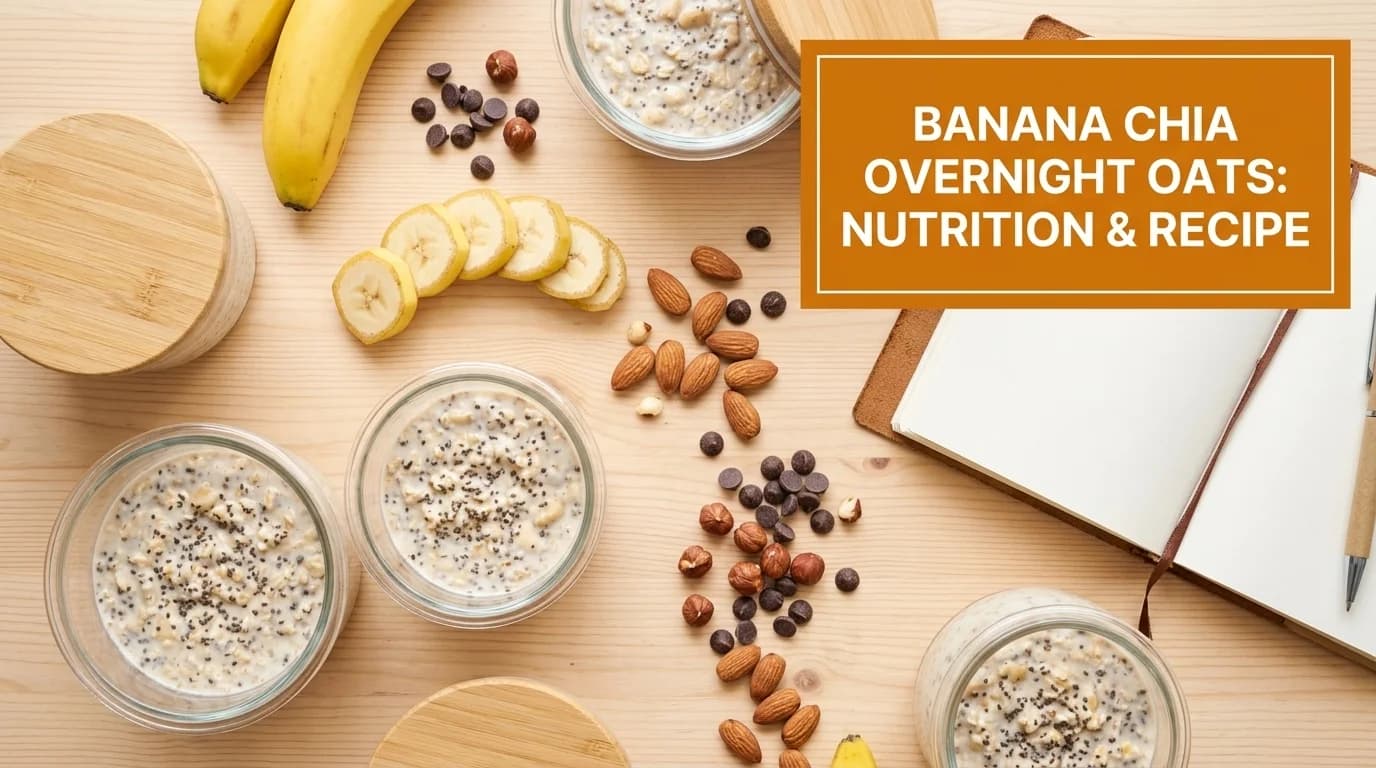
- Mixed into oatmeal:Mash half a banana into your oatmeal while it cooks. It adds natural sweetness, so you can skip added sugar, and you get the fiber from both the oats and the fruit in one bowl.
- In a smoothie:A frozen banana thickens any smoothie without needing ice. Pair it with spinach, protein powder, and nut butter for a filling, balanced meal replacement.
Having bananas in your regular rotation is simpler when they're already part of a planned eating structure. Our Weekly Meal Planner can help you build that structure so healthy choices are already decided before hunger kicks in.
The Bottom Line
A medium banana has around 105 calories and delivers fiber, potassium, B6, and other useful nutrients in a convenient, portable package. It supports digestion, heart health, and workout performance without being calorie-dense.
For most people, a banana fits easily into a healthy diet. There's no reason to avoid it.
FAQ
How many calories are in a medium banana?
A medium banana (about 118g, roughly 7–8 inches long) has approximately 105 calories, 27g of carbohydrates, 3g of fiber, and 1.3g of protein. This is the size most people picture when they think of a banana.
Are bananas fattening?
No. Bananas are a moderate-calorie whole food with fiber, potassium, and B vitamins. Weight gain comes from a sustained calorie surplus, not from any single food. A medium banana at 105 calories is less calorie-dense than most processed snacks and more filling due to its fiber content.
Can I eat bananas if I'm trying to lose weight?
Yes. Bananas fit into a weight-loss diet when they're part of a calorie-controlled eating plan. Their fiber slows digestion and helps with satiety. The main consideration is portion — eating multiple large bananas adds up in carbs and calories, so one a day is a reasonable target for most people in a deficit.
Are bananas high in sugar?
A medium banana has about 14g of natural sugar. That's comparable to other whole fruits and comes packaged with fiber, which slows how quickly that sugar hits the bloodstream. This is very different from 14g of added sugar in a processed food with no fiber buffer.
Do green bananas have fewer calories than ripe ones?
Roughly the same calories, but different carbohydrate composition. Green bananas are higher in resistant starch, which digests more slowly and has a lower glycemic impact. As bananas ripen, that starch converts to simple sugars, making ripe bananas sweeter and slightly faster-digesting.
Are bananas good before a workout?
Yes — they're one of the better pre-workout snacks. The natural sugars provide quick energy, potassium supports muscle function, and the moderate fiber doesn't cause the digestive discomfort that higher-fat or high-fiber foods can. Eat one 30–60 minutes before training.