A healthy meal planning app is a digital tool that helps you find recipes, map out your meals for the week, and generate a grocery list. The idea is to make healthy eating less of a daily decision and more of a reliable routine.
Why Meal Planning Apps Replace the Daily Guesswork
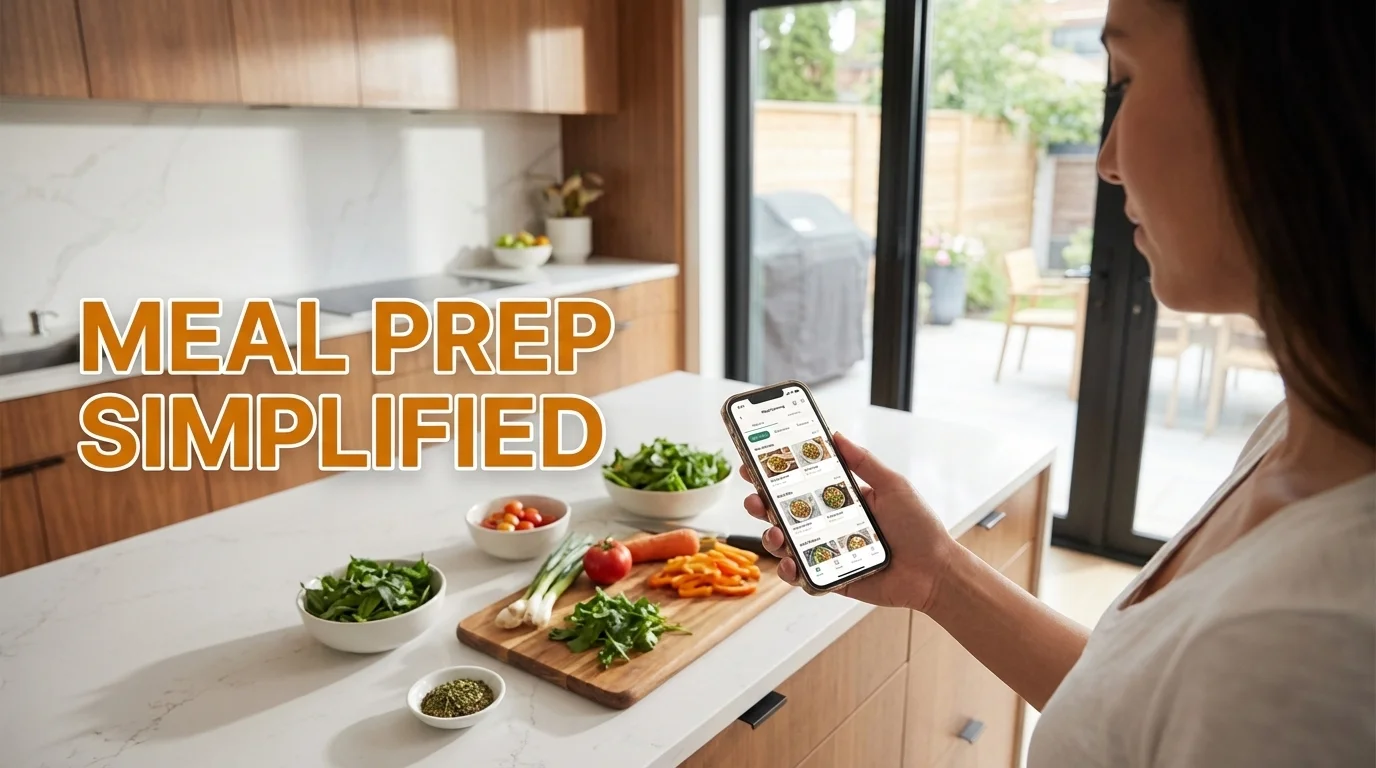
Most people have stared into a packed fridge with nothing obvious to eat. That moment of frustration is exactly when it's easiest to order takeout or grab something convenient but regrettable. A good meal planning app replaces that daily indecision with a clear plan.
Instead of "winging it" and hoping for the best, you get a defined path to your health goals—whether you're trying to lose weight, build muscle, or just have more energy. It bridges the gap betweenwantingto eat better and actuallydoingit.
Solving Common Dietary Pain Points
These apps tackle the real-world obstacles that derail most people's eating habits.
- Ends Decision Fatigue:Planning meals in advance means you never have to ask "what's for dinner?" again. That mental energy goes elsewhere.
- Builds Consistency:Having a plan makes it far easier to follow through. You're less likely to be derailed by impulse meals or cravings.
- Sparks Recipe Inspiration:Tired of the same five meals? Apps give you access to large recipe libraries, making it easy to find healthy dishes that actually suit your tastes.
A meal planning app simplifies the process of figuring outwhat a balanced diet looks likeand handles the tedious planning so you can focus on cooking and eating.
The Rise of Digital Nutrition
The growth of these apps reflects a broader shift toward using technology to manage wellness before problems arise. People want practical solutions that fit into busy schedules. The numbers reflect this: the global meal planning app market was valued atUSD 1.2 billion in 2023and is projected to reach USD 3.6 billion by 2032.
This growth comes from a collective desire to take control of health. An app provides the structure to turn good intentions into repeatable habits, one planned meal at a time.
A well-built tool likeKitchendarycan turn meal prep from a dreaded weekly task into a manageable part of your routine, without requiring a major lifestyle overhaul.
What Separates a Good App from a Mediocre One
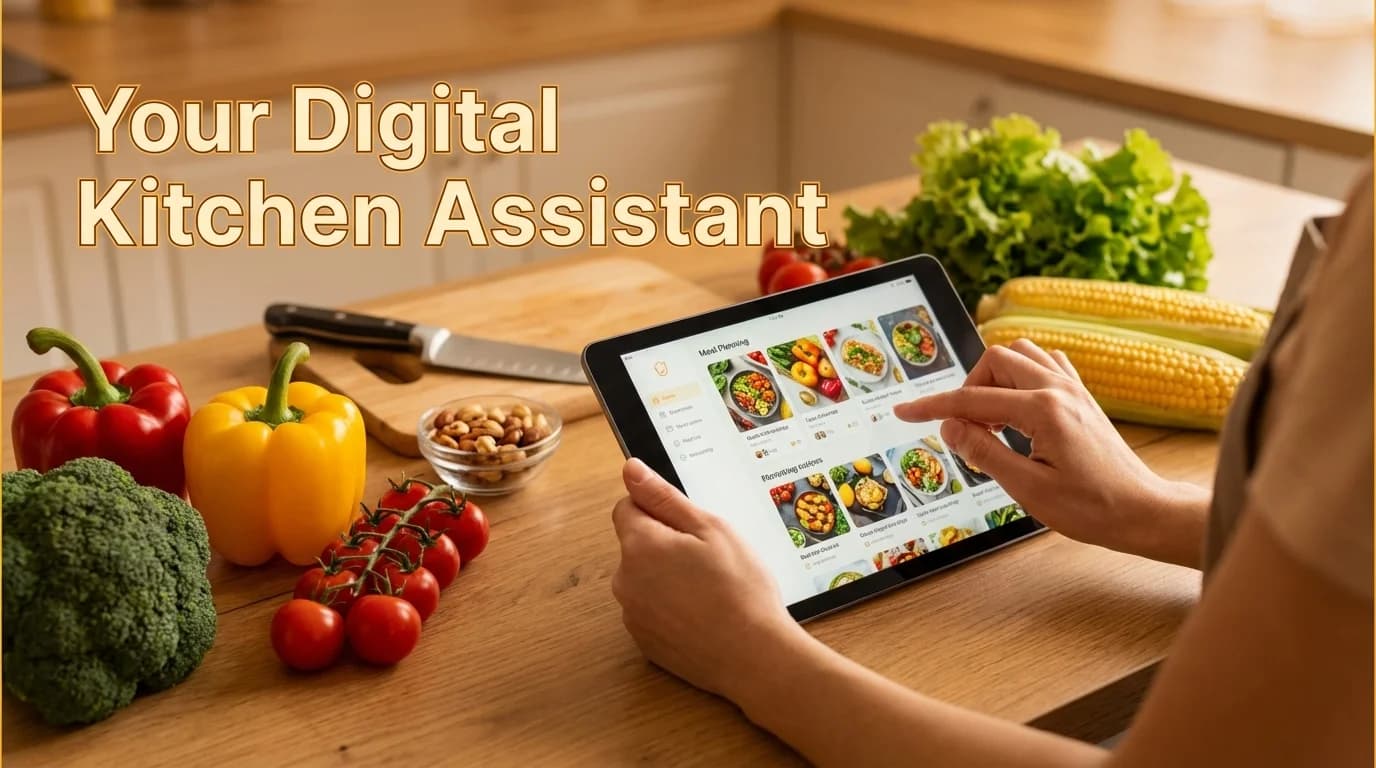
Choosing a healthy meal planning app is harder than it should be when dozens of options all promise the same thing. What actually separates a useful app from a mediocre one are the features working in the background.
They all offer recipes. But supporting features like dietary filters, smart grocery lists, and nutritional data determine whether the app actually changes how you eat or gets abandoned after two weeks.
Your Personal Dietary Gatekeeper
A good app has to understandyou. This means more than ticking a "vegetarian" box. It should filter out the noise and only show meals that are safe and appropriate for your body.
Look for apps that let you get specific with preferences, such as:
- Allergies:Set them once and they're applied everywhere. You should be able to permanently exclude common allergens like nuts, dairy, gluten, or shellfish.
- Dietary Preferences:Whether you eat keto, paleo, vegan, low-FODMAP, or Mediterranean, the app should tailor its suggestions accordingly.
- Ingredient Exclusions:Can't stand cilantro or bell peppers? A good app lets you remove them from suggestions entirely.
This level of control saves you from manually scanning every recipe for problem ingredients. The meal plan you build is one you can actually follow without constant adjustments.
The Automated Grocery List
This is likely the most practical feature for saving time and money. A smart grocery list isn't just a digital notepad—it pulls all the ingredients from your chosen recipes for the week into one organized list.
The best apps go further. They'll consolidate ingredients—so if three recipes need an onion, your list says "3 onions" rather than listing it three separate times. Some sort the list by supermarket section (produce, dairy, pantry) to get you through the store faster.
This feature works against two common budget problems:
- Impulse Buys:A clear, focused list keeps you on task and makes it easier to walk past the tempting end-cap displays.
- Food Waste:Knowing exactly how much of everything you need stops you from overbuying and ensures every item in your cart has a purpose.
A study on consumer habits found that shoppers with a detailed list can cut grocery spending by up to23%. An automated list generated by a meal planning app puts this saving on autopilot.
Nutritional Tracking and Recipe Variety
A good app should give you a clear view of what you're eating. That means detailed nutritional data for every recipe—macronutrient breakdown (protein, carbs, fats) and total calories. This matters most if you have specific fitness goals, like building muscle or managing weight.
The recipe library matters just as much. An app is only as useful as the food it helps you make. A broad, diverse collection keeps meal fatigue away and gives you real reasons to cook at home. The best platforms add new, nutrition-checked recipes regularly so there's always something fresh to try.
Together, these features form a coherent system. It understands your diet, writes your shopping list, and tracks your nutrition rather than leaving each of those tasks to separate apps or manual effort.
How AI Adapts Meal Plans to Your Actual Habits
Basic apps let you filter for "low-carb" recipes. An AI-powered app gets to knowyou, including that you're vegetarian, can't stand mushrooms, prefer spicy food, and want to increase your iron intake. That's a different experience from checking a few filter boxes and browsing the results.
How the Personalization Works
AI uses algorithms to sift through large amounts of data and identify patterns. In a meal planning context, that means processing your health profile, food preferences, and daily feedback to produce meal suggestions that fit your actual life.
These algorithms layer multiple inputs:
- Your Health Goals:Trying to lose weight, build muscle, or manage blood sugar? The AI will surface recipes with the right macronutrient and calorie breakdown to support that goal.
- Dietary Restrictions and Preferences:It avoids allergens and disliked ingredients while picking up on the flavor profiles and cuisines you return to most.
- Your Past Behavior:The app learns over time. It notices which recipes you save, which ones you cook, and how you rate them—getting more accurate with every interaction.
This ongoing learning is what makes the experience feel intuitive. If you consistently rate avocado-heavy recipes highly, the app shows you more of them. If you skip fish dishes every time, it phases them out. The app adjusts to you rather than the other way around.
The real value of AI here is that it connects what yousayyou want with what your actionsshowyou actually enjoy, so the suggestions get more accurate over time rather than staying static.
This kind of personalization is why the AI-driven meal planning market is growing. Valued at$0.67 billion in 2024, it's projected to reach $0.83 billion by 2025 and keep climbing. People want recommendations that fit their specific situation, and the technology now delivers that.
From Generic Plan to Something That Actually Fits
The difference between a static meal plan and an AI-generated one is substantial. A generic plan applies the same logic to everyone. AI, by contrast, adjusts every suggestion to the specific details of your life.
If you're looking for plant-based ideas, it won't just surface random salads. It will find protein-rich meals that match your taste preferences. You can see this in action by exploring avegetarian meal planthat adapts to individual tastes.
The data makes this clear: personalized plans outperform generic ones on adherence, satisfaction, and recipe variety. When healthy eating feels relevant to you specifically, you're more likely to stick with it long-term.
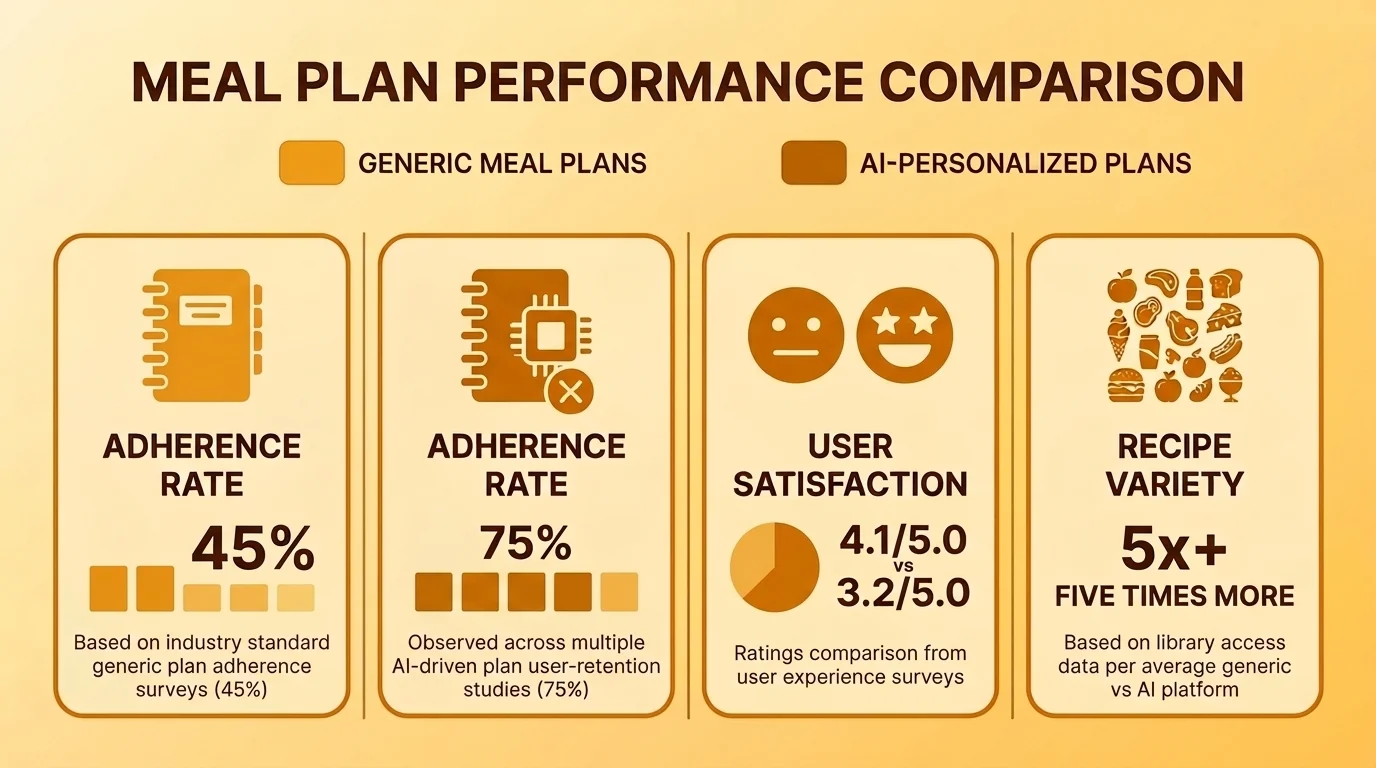
Personalization leads directly to better outcomes. When the meals feel relevant to your actual preferences, you're more likely to cook them consistently rather than reverting to old habits after a few weeks.
Picking the Right App for Your Situation
With so many meal planning apps available, picking one is genuinely difficult. There's no single best option for everyone. The right app depends on your goals, your schedule, and who you're feeding, so it helps to identify your biggest kitchen problem first. Are you trying to feed a family of picky eaters? Do you need to hit specific protein targets? Answering that question narrows the field considerably.
Best Apps for Busy Families
For families, the constant pressure is time and trying to please everyone at the table. The best apps for this situation prioritize efficiency and flexibility—quick recipes, kid-friendly options, and features that reduce the coordination overhead.
- Shared Accounts and Lists:Look for apps where family members can log in, add recipe ideas, or mark off grocery items. Avoiding the "we're out of milk" emergencies alone is worth it.
- Kid-Friendly Filters:The best family apps let you filter for recipes that work well with kids—simple ingredients, quick prep, nothing too adventurous.
- "Use What You've Got" Features:You enter what's already in the fridge, and the app suggests recipes. It cuts food waste and saves extra trips to the store.
When an app solves these core problems, it becomes a practical tool for managing the kitchen week to week rather than just a digital recipe book.
Top Choices for Specific Diets like Keto or Vegan
If you follow a strict diet, whether keto, vegan, paleo, or low-FODMAP, precision matters. One stray ingredient can undo your plan, and a generic app won't reliably catch that. You need something built to enforce your specific dietary rules.
A good app for a specific diet takes the burden of constant label-reading and recipe modification off your plate. You can try new foods without manually verifying every ingredient.
Go beyond a simple "vegan" checkbox. The best apps for specialized diets will let you:
- Set Strict Dietary Rules:You need the ability to completely exclude certain food groups, whether it's dairy, grains, or all animal products.
- Track Key Metrics:For keto, trackingnet carbsis what matters, not total carbs. A good specialized app does that math automatically.
- Access a Vetted Recipe Database:A library of recipes built specifically for your diet means you know they'll work before you start cooking.
Best Apps for Budget-Conscious Cooks
Eating well on a budget is possible, and the right app helps you make every dollar count by reducing food waste and encouraging smarter shopping. Some apps include price tracking or integration with local store sales, planning your meals around the best deals available. Understanding what practical, affordable functionality looks like is useful context—especially for groups like students. Thetop food ordering apps for college studentsoffer a useful perspective on what budget-friendly features look like in practice.
Perfect Picks for Fitness Enthusiasts
If you track macros, your meal planning app needs to support that. For athletes, bodybuilders, and anyone training consistently, nutrition is a numbers problem. Recipe ideas alone aren't enough. You need a tool that helps you hit specific protein, carb, and fat targets each day.
The essential feature here isgranular macronutrient tracking. The best fitness-focused apps let you set macro targets per day or per meal and build a plan around those numbers. Many also sync with fitness trackers and adjust calorie recommendations based on your activity level, so your food intake stays aligned with how much you're training.
You can explore various/plansbuilt around specific fitness outcomes like building muscle or losing fat.
Before moving on, here's how some of the leading apps compare side by side.
Feature Comparison of Leading Meal Planning Apps
This table breaks down popular options so you can quickly spot which one might fit your situation.
| App Name | Best For | Key Features | Pricing Model |
|---|---|---|---|
| Mealime | Busy Professionals & Couples | Highly customizable recipes, fast meal plans, smart grocery lists. | Freemium (Free basic, Premium for advanced features) |
| Paprika | Hands-On Home Cooks | One-time purchase, recipe importing from any website, pantry management. | One-Time Purchase |
| PlateJoy | Personalized Health Goals | In-depth dietary customization, optional ingredient delivery, weight loss focus. | Subscription-Based |
| Eat This Much | Fitness & Macro Tracking | Automatic meal generation based on calorie/macro targets, highly precise. | Freemium (Free basic, Premium for full customization) |
| Yummly | Recipe Discovery & Variety | Massive recipe database, personalized recommendations, shopping list integration. | Freemium (Free with optional subscription for guided recipes) |
The right app depends on your primary goal—saving time, hitting a gym target, or getting your family to eat more vegetables. The table above makes those distinctions clear.
Building a Routine That Sticks
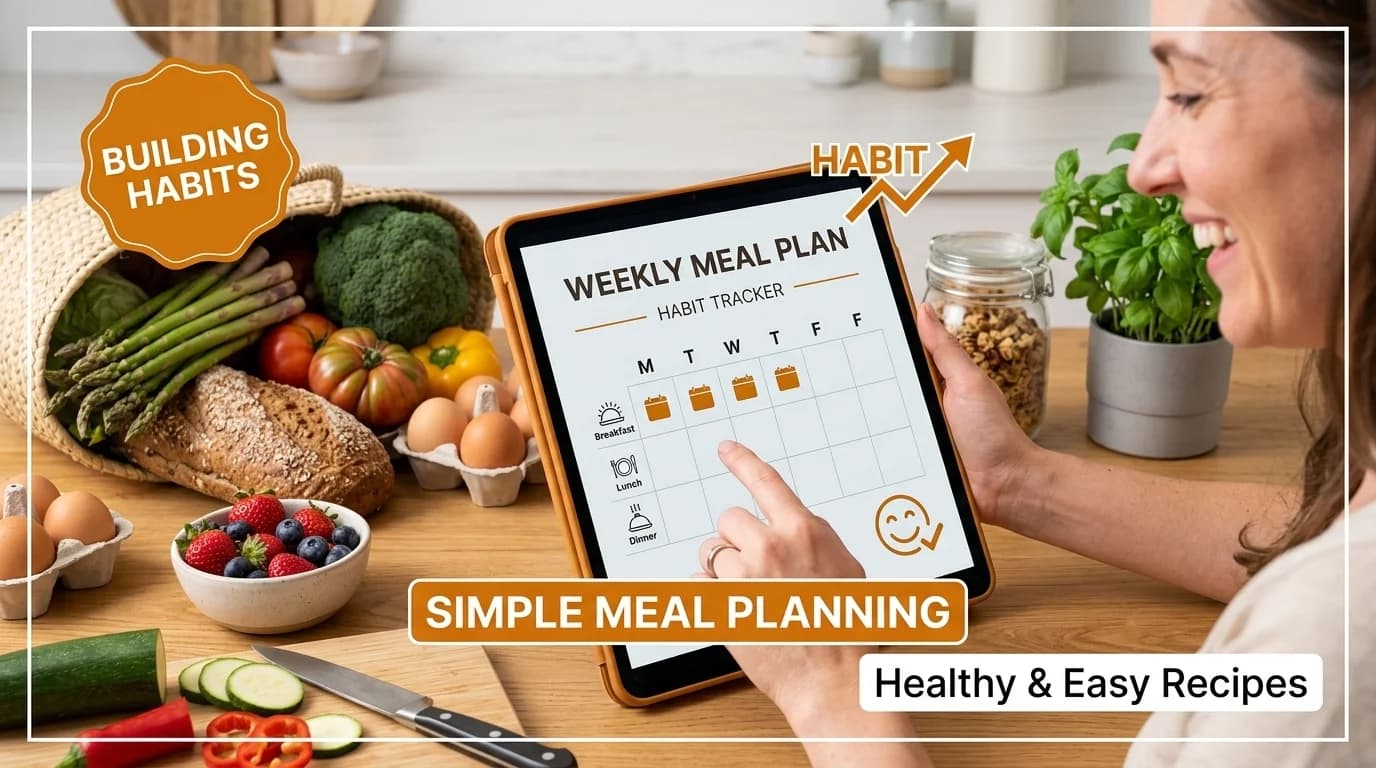
The best meal planning app isn't the one with the most features. It's the one you actually use. Like a gym membership, the novelty fades quickly if you don't build a real routine around it. The goal is to work it into your weekly schedule until checking it feels as automatic as checking your calendar.
Small, repeatable habits tend to last longer than big overhauls. Rather than trying to change everything at once, focus on integrating the app in manageable steps until it becomes a reliable part of your kitchen workflow.
How to Get Started
Breaking the setup into steps makes it more manageable. Work through these one at a time.
Set Up Your Profile (15 Minutes):This is the most important step—don't rush it. Take a few minutes to enter your dietary needs, health goals, allergies, and any ingredients you want to avoid. A detailed profile is what lets the app's algorithm surface meal suggestions you'll actually want to eat.
Plan Your First Week (20 Minutes):Perfection is not the goal here. Start by planningthree to four dinnersfor the week ahead. This is far less intimidating than planning 21 meals, and it sets you up for a real win on the first try.
Generate Your First Grocery List (5 Minutes):Once your meals are set, let the app handle the rest. With one tap, it compiles all the ingredients into an organized shopping list. Scan it against what you already have in the pantry, and you're ready to shop with a clear plan.
The full setup takes no more than40 minutes, and it lays the groundwork for a week of straightforward, healthy eating.
Practical Tips for Long-Term Success
Once you're set up, consistency is the real challenge. Making a new habit stick means making the process as low-friction as possible.
Schedule a Planning Session:Treat meal planning like an appointment. Block out 20 minutes every Sunday evening to plan the week. Putting it on the calendar makes it harder to skip.
Use Leftovers Strategically:Leftovers don't have to be a boring repeat. Make a little extra grilled chicken for dinner tonight, and you have the protein ready for a salad or wrap tomorrow. Cooking once and eating twice is a practical time-saver.
Start Small:If planning three dinners feels like too much, plan one. The goal is to create a positive feedback loop. Once you experience the relief of knowing dinner is handled, planning a second and then a third becomes natural.
Consistency beats intensity every time. Planning a few meals each week is far more effective than an ambitious all-or-nothing plan that falls apart after a few days.
Overcoming Common Hurdles
Even with good intentions, things go sideways. You'll get busy, motivation will dip, and old habits will creep back. That's normal.
Bored with your meals? Use the app's recipe discovery feature to try one new dish each week. Short on time? Filter for recipes that takeunder 30 minutesto prepare. A good meal planning app is a flexible tool. Learn to adjust its settings to match the reality of your week, and it becomes much easier to maintain over time.
The Bigger Picture of Digital Nutrition Tools
A healthy meal planning app doesn't work in isolation. It fits into a broader ecosystem of digital wellness tools. Your fitness tracker counts steps and calories burned, but your meal planner is what ensures you're fueling that activity with the right food.
The real benefit appears when these tools share data. When your meal planning app syncs with a calorie counter or smartwatch, your food choices can be informed by how active you've been, and your workout plans can adapt based on your nutrition. Diet and exercise start working together rather than being tracked as two separate, disconnected systems.
Beyond the Kitchen: The Long-Term Payoff
Using a meal planning app consistently produces benefits beyond just saving time on dinner decisions. The long-term value comes from the habits it helps you build over weeks and months.
Over time, you'll likely notice:
- Better Health Markers:Consistent, balanced nutrition has a measurable impact on cholesterol, blood pressure, and blood sugar levels.
- Sustainable Eating Habits:The app teaches you portion control, nutrient balance, and more mindful eating over time. These habits carry forward long after the app itself becomes second nature.
- Real Financial Savings:Planning meals means fewer impulse buys and significantly less food waste. It's common for people to save hundreds of dollars a year.
The diet and nutrition app industry, valued atUSD 2.14 billion in 2024, is expected to more than double, reachingUSD 4.56 billion by 2030. North America currently leads this growth. For more on these trends, thediet and nutrition app market report from Grand View Researchis worth reading.
A Practical Tool for a Health-Conscious Lifestyle
A meal planning app is a practical tool for anyone taking a proactive approach to their own health. It puts you in control of what you eat by reducing the friction of planning, which frees up mental energy for other things.
When you understand how your app fits into a broader health approach, it stops being just a dinner planner and becomes a foundation for consistent, intentional eating.
The goal is making deliberate choices rather than reactive ones. With a clear weekly plan already in place, it's much easier to avoid the convenient but regrettable options that come up when you haven't thought ahead.
Common Questions
Here are the questions most people have before committing to a meal planning app.
Are These Apps Actually Worth the Money?
For most people, yes. The savings from reduced impulse buys and less wasted food often cover the cost of a subscription. These apps generate specific shopping lists, which means you buy what you need and not much else.
You also get back time each week. That alone is often worth more than the subscription fee.
Pro tip: Nearly all the major apps offer a free trial. Try one for a week or two. You'll quickly know whether the savings and convenience work for you before spending anything.
What About Serious Allergies or Really Specific Diets?
This is where these apps do their best work. Any solid meal planning app is built around customization. You can filter out common allergens like gluten, nuts, and dairy, and they handle specific eating styles like vegan, keto, paleo, or low-FODMAP without much fuss.
You should still check labels yourself, but the app does the heavy lifting to make following strict dietary requirements much less tedious.
How Much Time Will ThisReallyTake Me Each Week?
The first setup takes around30 minutes. You'll enter your goals, food preferences, and anything you want to avoid.
After that, it's much faster. You can plan a full week of meals and have an organized shopping list ready in15-20 minutes. The app handles the tedious parts, so the daily "what's for dinner?" scramble goes away.
FAQ
Are These Apps Actually Worth the Money?
For most people, yes. The savings from reduced impulse buys and less wasted food often outweigh the subscription cost. These apps produce specific shopping lists, which means you buy what you need and little else.
What About Serious Allergies or Really Specific Diets?
This is where these apps do their best work. Any solid meal planning app is built around customization. You can filter out common allergens like gluten, nuts, and dairy, and they handle specific eating styles like vegan, keto, paleo, or low-FODMAP without much fuss.
How Much Time Will This Really Take Me Each Week?
The first setup takes around 30 minutes. You'll enter your goals, food preferences, and anything you want to avoid.