To eat on a budget, aim to spend between $50-$100 per person per week on groceries by prioritizing three core strategies: meal planning, cooking at home, and shopping with a strict grocery list. This approach can reduce food spending by 25-50% compared to unplanned shopping and frequent dining out. An app like Kitchendary can further optimize savings by automating meal plans based on sales and ingredient costs.
Sticking to a grocery budget can feel like a puzzle where healthy choices and financial limits are at odds. The rising cost of food makes it even more challenging, turning a supermarket trip into a source of stress. It's easy to fall back on less nutritious options or overspend on convenience when time is short. This cycle can undermine both financial goals and well-being.
Strategic planning and a few habit changes can transform your approach, making it possible to eat well without financial strain. This guide covers meal planning with seasonal produce, bulk buying, smart sales shopping, and minimizing food waste — helping you shop mindfully and cook meals that fit your budget.
How can meal planning with seasonal ingredients save me money?
Aligning your meals with the seasons is a reliable starting point for eating on a budget. This approach involves planning your weekly menu around fruits and vegetables that are currently at their peak harvest. Because seasonal produce is abundant and doesn't require long-distance shipping or specialized storage, its market price drops significantly, directly reducing your grocery bill.
Choosing seasonal ingredients means you get fresher, more flavorful, and nutrient-dense food for less money. For example, hearty root vegetables like carrots and squash can cost as little as $0.50 per pound in the fall and winter, compared to over $2.00 per pound when out of season. Similarly, summer offers an abundance of affordable tomatoes, berries, and zucchini, while spring brings deals on asparagus and leafy greens, often at a 40% discount.
Key Insight:Building your meal plan around what's on sale at the farmers market or in the produce aisle, rather than sticking to a rigid list of out-of-season ingredients, is one of the most effective ways to lower food costs.
How to Implement This Strategy
To make seasonal eating a consistent habit, start by familiarizing yourself with your region's produce calendar. Local university extension programs and the USDA often provide free guides.
- Shop Smart:Prioritize farmers markets or the front-of-store sales at your grocery store, as these areas typically feature the best seasonal deals.
- Embrace Flexibility:Instead of deciding you need broccoli for a recipe, check if cauliflower or cabbage is cheaper and make a simple swap.
- Preserve the Harvest:When you find a great deal on seasonal items like berries or tomatoes, buy in bulk. You can then freeze, can, or dehydrate them to enjoy affordable produce year-round.
This strategy can be automated for better efficiency. Modern tools like an AI-powered grocery list generator can build meal plans using currently affordable, in-season ingredients, ensuring you consistently save money without the manual effort.
How do bulk buying and batch cooking lower food costs?
Combining bulk purchasing with batch cooking is one of the more reliable strategies for anyone looking to eat on a budget. This method involves buying staple ingredients like grains, proteins, and pantry goods in larger quantities to secure a lower unit price, then preparing multiple meals at once to save time and reduce food waste. By dedicating a few hours one day a week to cooking, you create a supply of ready-to-eat meals, preventing costly last-minute takeout orders.
This approach cuts per-serving costs considerably. A 10-pound package of chicken breast can cost as little as $1.50 per pound, compared to $3.99 per pound for smaller packages, saving you over 60%. A 25-pound bag of rice might cost $0.40 per pound, whereas a small box is often priced at $1.20 per pound or more. Lower ingredient costs combined with pre-portioned meals makes this an efficient way to manage your food budget.
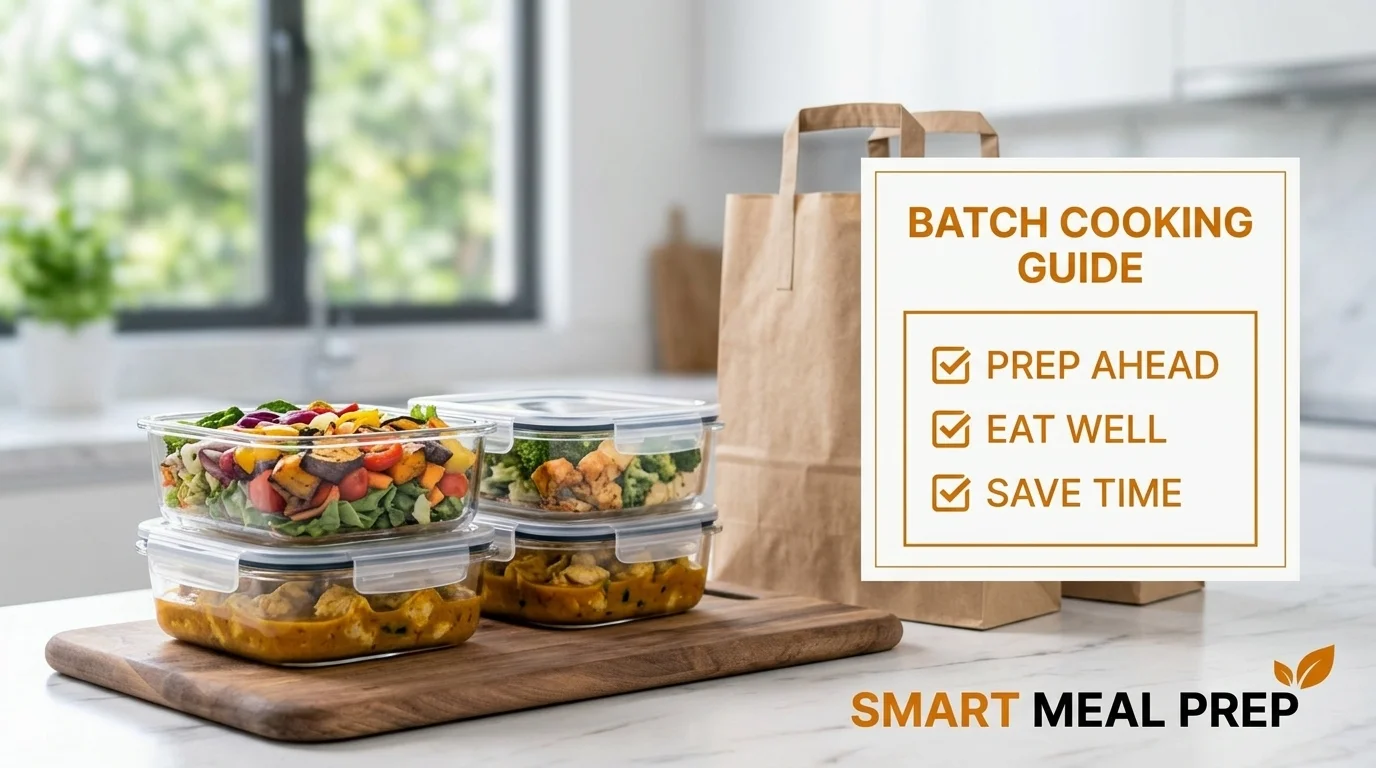
Key Insight:The real value of this strategy is in transforming low-cost bulk ingredients into convenient, pre-portioned meals. This eliminates the "convenience tax" of pre-made foods and impulse food purchases during a busy week.
How to Implement This Strategy
To successfully adopt bulk buying and batch cooking, dedicate a specific block of time, such as two to three hours on a Sunday, for your meal preparation.
- Shop at Warehouse Clubs:Stores like Costco or Sam's Club are ideal for purchasing shelf-stable staples (rice, beans, pasta, oats) and freezable proteins in bulk.
- Cook Versatile Components:Instead of making five identical meals, batch cook individual components. Prepare a large amount of quinoa, roast a tray of mixed vegetables, and grill several chicken breasts. You can then mix and match these to create varied bowls, salads, and wraps throughout the week.
- Invest in Quality Storage:Use airtight, BPA-free containers to keep food fresh. Portion meals into individual servings for easy grab-and-go lunches or dinners.
- Use Your Freezer:Freeze complete meals or individual ingredients in labeled and dated freezer-safe bags or containers. This prevents spoilage and provides a stockpile of easy meals for future weeks.
For those looking for guidance on what to cook, the following video offers excellent ideas for beginners.
What are the best ways to shop sales and stockpile?
Understanding store sales cycles and price-matching policies can meaningfully lower your grocery spending over time. This strategy involves actively seeking out weekly deals, using loyalty programs, and stockpiling non-perishable or freezable items when they hit their lowest price point.
This proactive approach yields savings that compound. Chicken breast regularly priced at $4.99 per pound might go on sale for $1.99 per pound. Buying and freezing 10 pounds during this sale saves you $30 on a single item. When canned beans are offered at four for $1.00 instead of their usual $0.79 each, purchasing a case of 24 saves nearly 60%, giving you a foundational ingredient for dozens of future meals.
Key Insight:Shifting from buying what you needthis weekto buying what you will needover the next few monthswhen it's on deep discount is a core principle of long-term grocery savings.
How to Implement This Strategy
Integrating sales and stockpiling requires a bit of organization but pays dividends. The goal is to build a home inventory of staples bought at their rock-bottom prices, insulating you from paying full price later.
- Leverage Technology:Download your primary grocers' apps (like Kroger, Safeway, or Walmart) to access digital coupons and weekly ads. Use their loyalty programs to unlock exclusive discounts.
- Track Sale Cycles:Most staple items go on a promotional cycle every 4 to 6 weeks. Note when items like pasta, oats, or ground beef are at their lowest price and plan to stock up then.
- Consolidate and Match:Use price-matching policies at stores like Walmart or Target to get a competitor's lower price without making an extra trip, saving you both time and money.
- Stockpile with Purpose:Only buy items in bulk that your household regularly consumes. Maintain a simple inventory list and use the "First-In, First-Out" (FIFO) method to rotate stock and prevent waste.
These strategies are easier with a bit of advance planning. Before finalizing your grocery list, a quick check of weekly flyers can help you make cost-effective swaps. For a more automated approach, AI-powered meal planners can factor in your existing pantry inventory and suggest recipes that use what you already have on hand. You can start setting this up at the Kitchendary Onboarding page.
Why is cooking with pantry staples so effective for budget eating?
Building your meals around a core set of inexpensive, versatile pantry staples is one of the most reliable ways to eat on a budget. This method uses low-cost, nutrient-dense ingredients like rice, beans, eggs, and oats as the foundation for a wide variety of meals. Since these staples have a long shelf life and work across breakfast, lunch, and dinner, they reduce both food costs and potential waste.
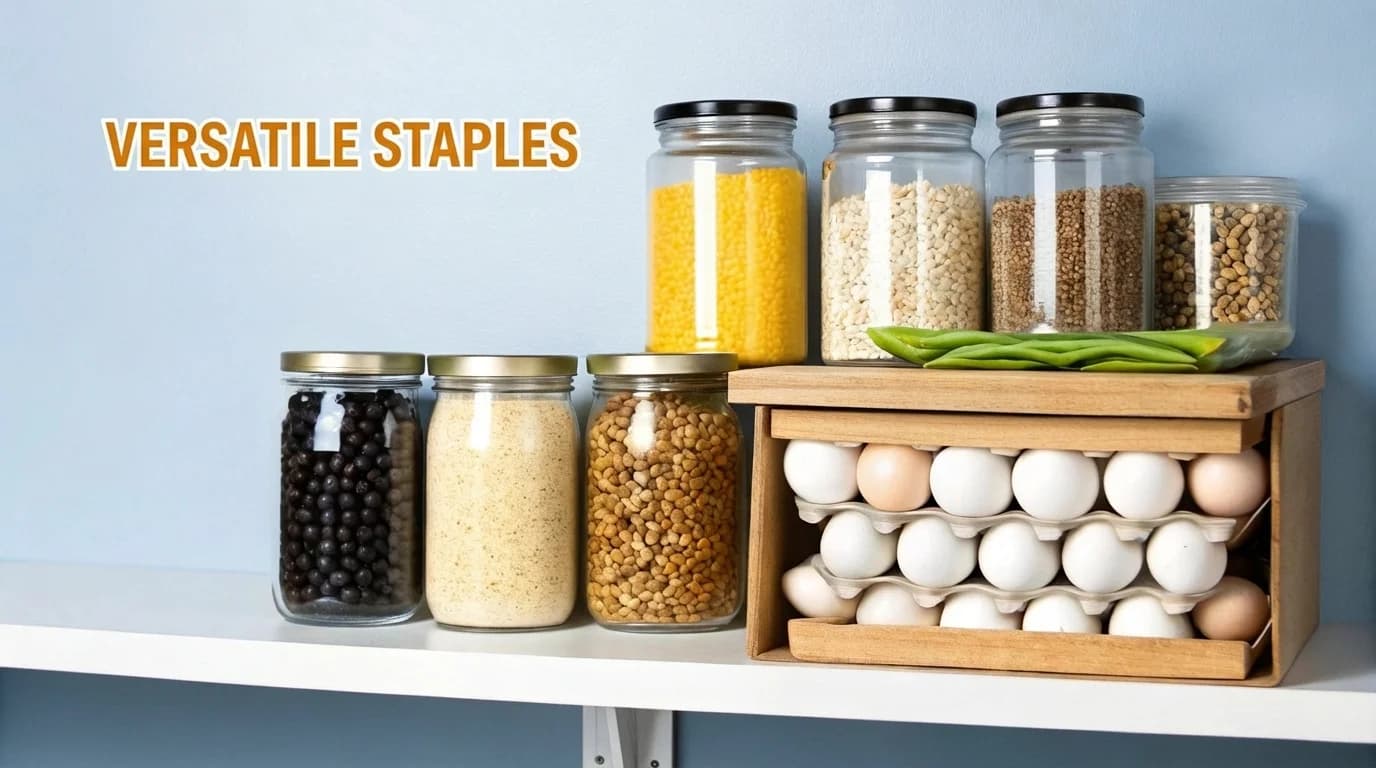
You get maximum nutritional and culinary value from every dollar spent. A serving of dried beans costs around $0.20 and can be the protein base for chili, tacos, or salads. A bag of oats at $0.15 per serving provides a hearty breakfast, can be ground into flour for baking, or used to make energy bites. These staples cost a fraction of specialty or pre-packaged foods, with store brands often offering an additional 40% savings.
Key Insight:A well-stocked pantry of versatile staples lets you build dozens of different, satisfying meals on demand, minimizing impulse buys and the need for expensive, single-use ingredients.
How to Implement This Strategy
To cook effectively with staples, focus on building a reliable inventory and learning a few core recipes for each ingredient. A consistent pantry staples list will streamline your grocery trips and ensure you always have the building blocks for a cheap, healthy meal.
- Prioritize Low-Cost Basics:Maintain a running list of staples like dried lentils, brown rice, whole-wheat pasta, canned tomatoes, and frozen vegetables. Buy store brands whenever possible.
- Master Versatile Recipes:Learn 5-10 simple, adaptable recipes for each core staple. For example, use eggs for omelets, frittatas, fried rice, or as a binder in meatballs.
- Buy in Bulk (Strategically):Purchase non-perishable staples like rice and dried beans in larger quantities when they are on sale to secure the lowest possible price per serving.
An AI-powered system can help you plan meals that make the most of your existing pantry staples, suggest creative recipes to avoid food fatigue, and build cost-effective grocery lists to replenish your stock. You can start creating your own staple-based plan with Kitchendary to see how it works.
How can I reduce food waste by planning for leftovers?
Planning for leftovers is one of the more practical ways to eat on a budget, because it ensures every ingredient you purchase is fully used. This method involves designing your weekly menu so that excess ingredients or cooked portions from one meal become the foundation for another. By intentionally incorporating partial ingredients like half an onion or leftover roasted chicken into subsequent, planned recipes, you eliminate waste and extract more value from your grocery spend.
This approach can reduce household food waste by up to 50%, directly lowering your food costs. A whole roasted chicken on Sunday can become chicken tacos on Monday and a nourishing chicken soup on Wednesday using the remaining meat and bones. This "cook once, eat thrice" approach transforms one main purchase into multiple low-cost meals, stretching your budget further.
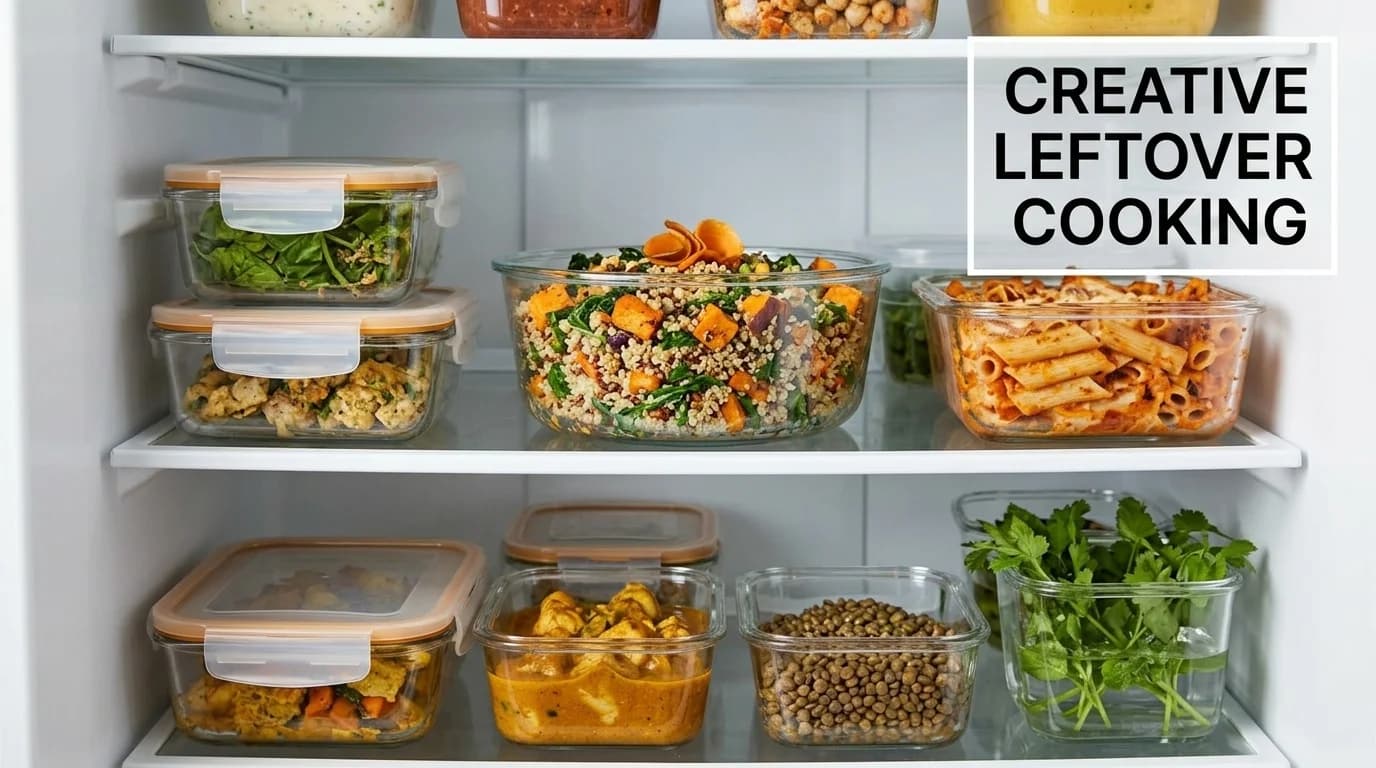
Key Insight:Treating leftovers as a pre-planned ingredient rather than an afterthought is fundamental to minimizing waste and unlocking real savings.
How to Implement This Strategy
To plan around leftovers, think about the full lifecycle of your ingredients when you create your meal plan. Instead of planning seven distinct meals, plan three or four core "anchor" meals with larger yields and several "remix" meals that use their components.
- Plan Around High-Yield Proteins:Cook a large batch of a versatile protein like ground turkey or a pork roast at the start of the week. Use it first for a main dish, then incorporate the rest into chili, lettuce wraps, or shepherd's pie.
- Schedule Perishables First:Plan meals using delicate ingredients like fresh herbs or leafy greens for earlier in the week to prevent spoilage. A single bunch of cilantro can be used in salsa, tacos, and soup if planned correctly.
- Create a "Use First" Zone:Designate a specific shelf or bin in your refrigerator for items that need to be used immediately. This visual cue prevents half-used vegetables or containers of leftovers from being forgotten.
This strategy prevents the common budget pitfall of throwing away food, which is equivalent to throwing away money. For creative ideas on how to transform what you already have, you can use a tool that helps you generate a meal from your fridge, turning potential waste into a budget-friendly dish.
Can eating more plant-based meals help my budget?
Integrating plant-based proteins into your regular meal rotation can make a noticeable dent in food costs. This approach involves substituting or supplementing expensive animal proteins with affordable alternatives like beans, lentils, chickpeas, and tofu. Since plant proteins often cost 50-80% less than their meat counterparts, this shift can drastically lower your weekly food expenses without compromising nutrition.
This strategy doesn't require a complete dietary overhaul. Simply swapping meat for plants in just two or three meals per week yields substantial savings. A serving of protein from black beans can cost around $0.30, while the equivalent amount from chicken can easily exceed $2.00. Lentils, chickpeas, and tofu offer similar cost-effectiveness, providing a versatile and healthy foundation for countless affordable dishes.
Key Insight:Reducing your reliance on meat is one of the quickest ways to cut grocery costs. Strategically incorporating plant-based proteins can stretch your food budget further while often improving your intake of fiber and micronutrients.
How to Implement This Strategy
Making plant-based proteins a staple is straightforward with a few practical habits. Start by focusing on cuisines that traditionally lean on legumes, like Mexican, Indian, and Mediterranean, which offer time-tested, flavorful recipes.
- Buy in Bulk:Purchase dried beans, lentils, and chickpeas in bulk bags instead of cans for maximum savings. A one-pound bag of dried beans can cost the same as a single can but yields over three times the amount.
- Batch Cook:Dedicate an hour each week to cook a large batch of beans or lentils. Store them in the refrigerator for quick additions to salads, grain bowls, and tacos throughout the week.
- Stretch Meat Dishes:Add a can of black beans to your ground beef for tacos or a cup of lentils to a meat-based soup or stew. This bulks up the meal and makes the more expensive protein go further.
Understanding your specific protein needs matters for effective meal planning. You can use a calorie and macro calculator to determine your ideal daily intake and ensure your plant-based meals are nutritionally balanced.
How much can I save by choosing store brands?
One of the simplest ways to eat on a budget is switching from name-brand products to their generic or store-brand equivalents. These products are often manufactured in the same facilities and with nearly identical ingredients as their brand-name counterparts, but without the marketing and advertising costs, which translates into direct savings.
The price difference can be substantial, often ranging from 20-50% less for the same quantity and quality. A box of store-brand pasta might cost $0.99, while the name-brand version sitting next to it is priced at $1.99, an immediate 50% savings on a pantry staple. Switching from Quaker Oats ($4.00) to a generic brand ($2.00) or from Hunt's canned tomatoes ($1.29) to a store brand ($0.65) can cut your spending in half on those items without a noticeable difference in taste or nutritional value.
Key Insight:The brand premium you pay for national labels is rarely linked to superior quality for staple goods. By systematically choosing store brands, you can cut your grocery bill significantly without changing what you eat.
How to Implement This Strategy
Store-brand shopping delivers instant results. Start with items where the brand name matters least.
- Start with Staples:Begin by swapping pantry basics like flour, sugar, canned vegetables, beans, pasta, and oats. These items have minimal processing, and the ingredient lists are often identical to their more expensive counterparts.
- Compare Ingredients and Unit Prices:Don't just look at the shelf price. Compare the nutrition labels and ingredient lists; you'll often find they are the same. Also, check the unit price (price per ounce or pound) to confirm you're getting the best deal.
- Be Selectively Loyal:You may find that you prefer the taste of a specific name-brand coffee or condiment. It's fine to be selective — focus on swapping the 80% of items where you won't notice a quality difference and keep the 20% that matter most to you.
This approach requires minimal effort for meaningful savings. AI-powered tools like the meal planner at AI Meal Plan can suggest recipes using cost-effective staple ingredients, making budget-conscious shopping a natural part of your planning.
How much more expensive is takeout than cooking at home?
Preparing meals at home is one of the most impactful changes you can make when eating on a budget. The cost difference is significant because restaurant and convenience pricing includes labor, overhead, and marketing, often inflating the price by 300-500% compared to the raw ingredients.
The savings are immediate. A single $12 takeout burger meal can be recreated at home for just $2 to $3 per serving. A daily $5 coffee and pastry habit, costing over $100 per month, can be reduced to less than $10 a month by brewing coffee at home. By shifting from frequent delivery orders to home cooking, you can redirect funds from a few meals toward a full week's worth of groceries.
Key Insight:The convenience premium on takeout and pre-made foods is a major budget drain. Cooking at home eliminates this expense and gives you complete control over ingredients and nutritional content.
How to Implement This Strategy
Transitioning to more home cooking doesn't require becoming a gourmet chef overnight. Start small and build consistent habits that reduce the friction of preparing your own meals.
- Start Simple:Begin with 2-3 easy recipes you enjoy that take less than 30 minutes to prepare. This builds confidence and makes cooking feel less like a chore.
- Meal Prep Components:You don't have to cook full meals in advance. Simply preparing components like a batch of rice, grilled chicken, or chopped vegetables makes assembling a quick, healthy meal much easier during a busy week.
- Set a Takeout Budget:Instead of trying to eliminate takeout completely, treat it as an occasional indulgence. Set a specific, realistic budget for it each month and stick to it.
- Track Nutritional Value:Understanding what goes into your food can be a useful motivator. You can analyze your home-cooked recipes with a recipe nutrition calculator to see how much healthier they are compared to their processed or restaurant-made counterparts.
Where can I find food assistance programs?
Community and government assistance is a practical option when facing financial constraints. This approach involves supplementing your grocery purchases with free or heavily discounted food from sources like food banks, community gardens, and government programs. These resources are designed to ensure food security and can reduce your weekly food spending while providing consistent, nutritious options.
Tapping into these programs can have a real impact on your budget. Local food banks can provide 20-30 pounds of groceries weekly at no cost, while government benefits like the Supplemental Nutrition Assistance Program (SNAP) can add over $100 per person to your monthly food budget. Farmers market incentive programs often double the value of SNAP benefits for fresh produce, effectively cutting your fruit and vegetable costs in half.
Key Insight:These programs are not just for emergencies; they are established support systems designed to help individuals and families maintain consistent access to nutritious food. Using them can unlock substantial savings and improve your diet.
How to Implement This Strategy
Start by researching what is available in your local area, as resources vary by community. A simple online search is often the best first step to discovering a network of support.
- Locate Food Banks:Search online for "food banks near me" or visit national directories like FeedingAmerica.org to find local distribution centers and their hours of operation.
- Check Program Eligibility:Visit your state's government website or Benefits.gov to check your eligibility for programs like SNAP and The Emergency Food Assistance Program (TEFAP).
- Explore Local Incentives:Ask vendors at your local farmers market if they participate in SNAP matching programs. Also, look for community gardens that offer free or low-cost plots to grow your own produce.
- Find Community Meals:Use resources like 211.org or contact local community centers and places of worship to find schedules for free community meals, which also offer social connection.
Integrating these resources provides a reliable safety net, ensuring you can consistently eat on a budget without sacrificing nutrition.
What is the best way to avoid impulse shopping for food?
Disciplined shopping habits directly prevent the unplanned additions to your cart that quietly inflate your bill. Studies show impulse buys can account for 25-50% of an average grocery bill. By planning your trip and sticking to a list, you regain control over your spending and prevent costly, often unhealthy, snap decisions.
Mindful shopping combats the budget-draining habit of impulse buying. Research indicates the average person overspends by $50 to $150 each month on unplanned purchases alone. Adhering strictly to a shopping list can prevent $40 to $60 in spontaneous buys per trip, while simply eating a meal before you shop has been shown to reduce junk food purchases by up to 50%. These small adjustments can reduce your total food spending by 20% or more.
Key Insight:The grocery store is an environment engineered to encourage spending. Treating each shopping trip as a planned mission with a clear objective, rather than a browsing session, is the most reliable way to protect your budget from marketing pressures and emotional triggers.
How to Implement This Strategy
To transform your shopping habits from reactive to intentional, integrate a few simple rules into your routine. The goal is to minimize in-store decision-making and eliminate opportunities for impulse buys.
- Shop with a Strict List:Never enter a store without a detailed grocery list based on your weekly meal plan. Commit to buying only what is on that list.
- Avoid Shopping Hungry or Emotional:Shopping when hungry, stressed, or tired significantly increases the likelihood of purchasing high-cost, low-nutrition comfort foods. Always go after a meal and when you feel level-headed.
- Stick to the Perimeter:The outer aisles of most grocery stores contain whole foods like produce, dairy, and meat. The center aisles are typically filled with processed, high-margin items designed for impulse buys, so avoid them if they aren't on your list.
- Set a Hard Budget:Use cash for your grocery total or a budgeting app to create a firm spending limit. This creates instant accountability and forces you to prioritize needs over wants.
You can streamline this entire process with a tool like an AI-powered meal planner, which generates a precise, aisle-sorted shopping list based on your budget and recipes. This removes guesswork and makes sticking to your plan straightforward.
What are the most effective strategies to eat on a budget?
Eating on a budget is not about sacrifice — it's about strategy. The most effective tactics are meal planning before you shop, embracing versatile ingredients to reduce waste, and cooking from scratch to avoid the high cost of convenience foods. By thinking ahead, you can leverage sales, cook in bulk, and ensure no food is wasted.
Key Takeaways for Sustainable Savings
Here are the core principles that will have the most significant impact on your food spending:
- Plan Before You Shop:A meal plan and a corresponding grocery list are your best defense against impulse buys and the "what's for dinner?" panic that leads to expensive takeout.
- Embrace Ingredient Overlap:Don't think in terms of single recipes; think in terms of versatile ingredients. A bag of potatoes, a can of chickpeas, or a head of cabbage can become the backbone of multiple meals throughout the week, maximizing the value of every purchase.
- Waste Nothing:Food waste is wasted money. Planning for leftovers, using vegetable scraps for stock, and properly storing produce are essential budget-saving habits that directly impact your bottom line.
- Cook from Scratch:The convenience of pre-packaged and takeout foods comes at a steep premium. Cooking at home provides complete control over your ingredients, portion sizes, and costs.
FAQ
What is the cheapest way to eat healthy on a budget?
Build meals around cheap whole-food staples: dried lentils, dried beans, oats, rice, eggs, canned fish, frozen vegetables, and bananas. These are some of the most nutritious foods per dollar available. Plan meals before shopping, write a list, and stick to it — impulse purchases are the fastest way to blow a food budget.
How much should I budget per week for groceries?
The USDA's thrifty food plan estimates roughly $50–60 per person per week for a nutritionally adequate diet. With meal planning and smart shopping (store brands, sales, bulk staples), many people get that down to $30–45 per person. Tracking what you actually spend for two weeks gives you an accurate baseline to work from.
Is it cheaper to cook at home than eat out?
Almost always. A home-cooked meal typically costs 3–5x less than the equivalent from a restaurant or takeout. Even a relatively expensive home meal — salmon, rice, and vegetables — costs $5–8 per serving. The same plate at a restaurant runs $18–30. The savings compound significantly over a month.
What proteins are the cheapest per gram?
Dried lentils and beans are by far the cheapest protein sources at roughly $0.05–0.10 per gram of protein. Eggs come in around $0.10–0.15 per gram. Canned tuna and canned sardines are next. Chicken thighs and drumsticks are the most affordable animal protein after that. Chicken breast, beef, and fish fillets are significantly more expensive per gram.
Does frozen produce count as healthy?
Yes. Frozen vegetables and fruit are harvested at peak ripeness and frozen quickly, which preserves most nutrients. In many cases they're nutritionally comparable to fresh — and cheaper, with less waste because they don't spoil. Frozen spinach, broccoli, peas, and mixed berries are particularly good value.