What is a Meal Weekly Planner and Why You Need One
It's 6 PM on a Tuesday, you're exhausted from work, and that familiar anxiety creeps in: "What's for dinner?" Sound familiar? If you're tired of this daily struggle, a meal weekly planner might be exactly what your household needs to transform mealtime chaos into organized simplicity.

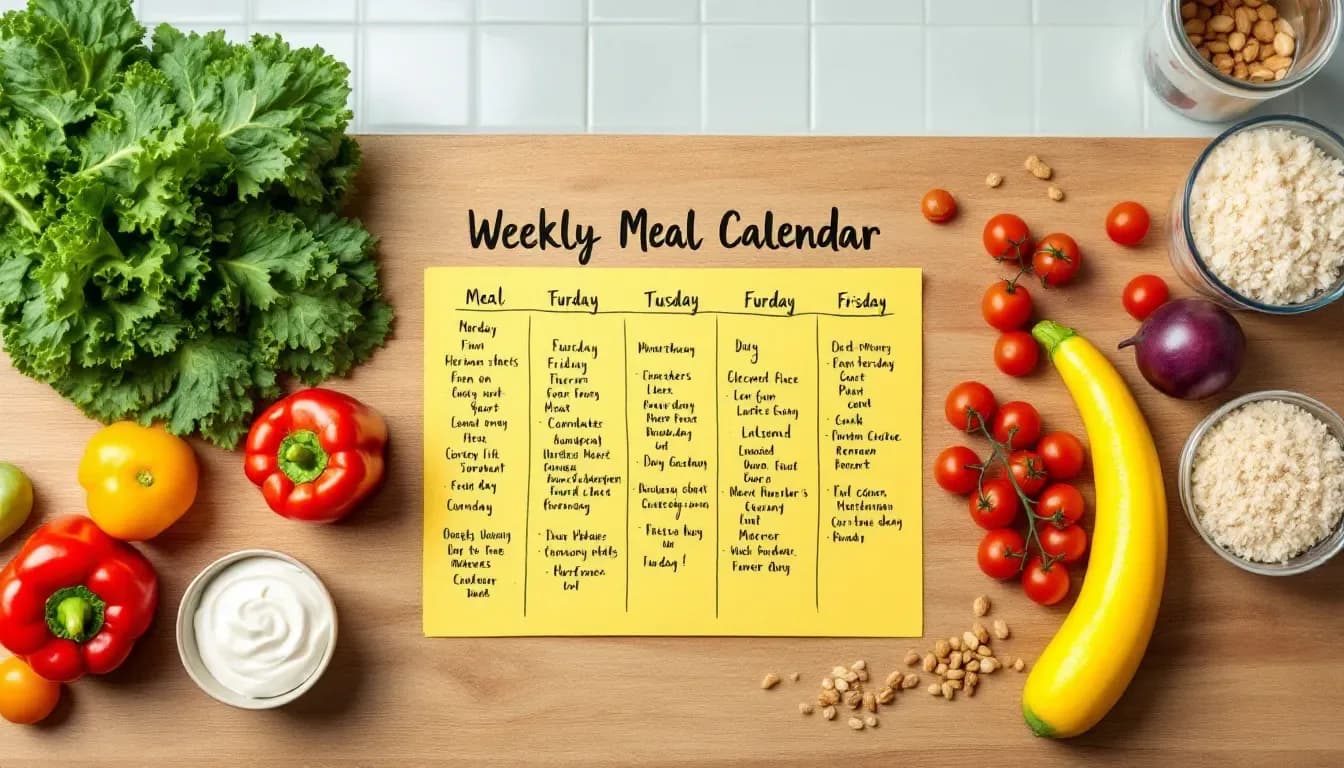
A meal weekly planner is a systematic approach to organizing breakfast, lunch, and dinner for 7 days in advance. Unlike daily meal planning that leaves you scrambling each morning or monthly meal prep that can feel overwhelming, weekly planning strikes the perfect balance between structure and flexibility. This method involves selecting recipes, creating organized grocery lists, and scheduling your weekly meals to eliminate last-minute decisions and reduce stress.
The core components of an effective meal planner include a meal calendar that maps out each day's planned meals, a grocery list generator that automatically compiles ingredients, a recipe database for easy access to your favorites, and a budget tracker to monitor food expenses. Research shows that 73% of families who use weekly planners report significantly less mealtime stress compared to those who wing it day by day.
Weekly planning fits seamlessly into busy modern lifestyles because it front-loads decisions into one focused session, freeing up mental energy throughout the week. Instead of spending 15-20 minutes daily wondering what to cook and eat, you invest 30-45 minutes once per week to plan everything out. This approach is particularly helpful for working professionals, busy parents, and anyone looking to create more predictable routines around food and nutrition.
Top Benefits of Using a Weekly Meal Planner
Financial Savings and Budget Control
The financial impact of meal planning is substantial and immediate. Families using a structured weekly meal plan typically reduce their monthly food costs from $199 to $152 per person through strategic planning and smarter shopping habits. This 23% reduction comes from eliminating impulse grocery purchases, avoiding duplicate ingredient buying, and making the most of what's already in your fridge and pantry.
Weekly planning opens up bulk buying opportunities that can save significant money over time. When you know you'll use three pounds of chicken across multiple planned meals, buying the family pack makes financial sense. Similarly, planning around seasonal produce means you're purchasing ingredients at their peak availability and lowest price point.
Perhaps most importantly, a good meal plan dramatically reduces food delivery and restaurant expenses by ensuring you have satisfying, appealing home meals ready to go. The average family spending $180 monthly on takeout can cut this by 60-70% simply by having a plan that prevents those "we have nothing to eat" moments that lead to expensive last-minute orders.
Time Management and Efficiency
The time mathematics of meal planning are compelling. While weekly planning requires 30-45 minutes of focused time, it eliminates the 15-20 minutes of daily decision-making that adds up to over 2 hours per week. Additionally, organized grocery shopping with a well-structured shopping list reduces store time by 40%, and strategic prep-ahead strategies can save 2-3 hours during busy weekdays.
Having planned meals eliminates multiple grocery trips throughout the week. Instead of running to the store several times because you forgot ingredients or couldn't decide what to cook, you make one efficient trip with everything you need. This consolidated approach also allows you to take advantage of grocery pickup or delivery services more effectively, since you can plan and order everything at once.
The efficiency extends beyond shopping into the kitchen itself. When you know Tuesday's dinner requires 30 minutes and Thursday's meal can mostly be prepped Sunday afternoon, you can manage your time and energy much more effectively throughout the week.
Health and Nutrition Improvements
Meal planning leads to a 35% increase in vegetable and fruit consumption because you're intentionally incorporating these foods into your weekly meals rather than relying on whatever's convenient in the moment. When you plan meals in advance, you naturally create more balanced options that include proper portions of proteins, healthy fats, and complex carbohydrates.
This systematic approach also significantly reduces reliance on processed convenience foods and takeout options that tend to be higher in sodium, unhealthy fats, and empty calories. Home-cooked planned meals give you complete control over ingredients, portion sizes, and cooking methods, leading to better overall nutrition without requiring extensive nutrition knowledge.
For families with specific dietary restrictions or health goals, advance planning becomes essential rather than optional. Whether you're managing food allergies, following a therapeutic diet, or working toward weight management goals, a meal planner ensures you stay on track rather than making compromised choices when you're hungry and unprepared.
Stress Reduction and Mental Health
The psychological benefits of meal planning are profound. Eliminating daily "what's for dinner" decision fatigue frees up mental energy for other important decisions throughout your day. There's also significant anxiety reduction that comes from knowing you have ingredients available for planned meals - no more panic about empty fridges or worry about whether you can create something satisfying from random pantry items.
Studies show that families with meal plans increase their dinner frequency from 3.6 to 5.6 times per week, creating more opportunities for connection and routine. These regular family meals contribute to better work-life balance through predictable routines that everyone in the household can count on.
The stress reduction extends beyond mealtime itself. When you're not constantly worried about food decisions, grocery shopping becomes more efficient and less overwhelming, cooking feels more purposeful rather than frantic, and you can actually look forward to meals instead of dreading them.
How to Create an Effective Weekly Meal Plan
Step 1: Assessment and Goal Setting
Before jumping into meal planning, take time to analyze your current eating patterns and identify specific problem areas. Maybe Tuesday nights are consistently chaotic because of late meetings, or Thursday has become expensive takeout night because everyone's too tired to cook. Understanding these patterns helps you plan realistic solutions rather than fighting against your natural rhythms.
Set realistic goals that match your current lifestyle and cooking skills. If you're new to meal planning, start with planning 4-5 dinners rather than trying to map out every single meal and snack for the week. You can always expand your planning as the habit becomes more natural and comfortable.
Consider your family's preferences, dietary restrictions, and cooking skill levels when setting goals. If you're working with picky eaters, plan to include familiar favorites alongside new recipes. If you're building cooking confidence, aim for 2-3 new recipes per week balanced with tried-and-true options you know everyone will eat.
Establish budget parameters that feel realistic for your household. A good target is $120-150 per person monthly for balanced nutrition, though this can vary significantly based on your location and dietary needs. Having a clear budget in mind helps guide your recipe selection and shopping decisions.
Step 2: Weekly Planning Session Setup
Schedule 30-45 minutes every Sunday afternoon for your meal planning session. This timing works well because you can review the upcoming week's schedule, check what's currently in your pantry, and get grocery shopping done before the week begins. Consistency with timing helps establish meal planning as a reliable habit rather than something you do sporadically.
During your planning session, review your calendar for the upcoming week carefully. Note late meetings, kids' activities, social events, or any other factors that might affect meal timing or complexity. This calendar review ensures you're planning appropriate meals for each day rather than scheduling elaborate recipes on your busiest nights.
Check your current pantry inventory and identify expiring items that need priority use. This step prevents food waste and helps you build meals around ingredients you already have on hand. Keep a running list of pantry staples that need restocking so you can add them to your shopping list efficiently.
Plan for a good mix of 2-3 new recipes to keep things interesting and 4-5 family favorites that provide comfort and reliability. This balance prevents meal fatigue while ensuring you always have options that you know will be successful and satisfying.
Step 3: Meal Selection Strategy
Structure your week strategically based on your energy levels and schedule patterns. Monday works well for easy slow cooker or one-pot meals that help you ease into the week without stress. These set-it-and-forget-it options are particularly helpful when you're transitioning from weekend mode back to weekday routines.
Plan Tuesday and Wednesday for quick 30-minute recipes that keep mid-week momentum going without requiring extensive prep or cleanup. These are perfect days for stir-fries, sheet pan dinners, or simple pasta dishes that deliver good nutrition and satisfaction efficiently.
Consider Thursday your batch cooking day, preparing meals with planned leftovers that can serve as Friday lunch or be repurposed into a different meal later in the week. This approach maximizes your cooking time and provides built-in convenience for busy end-of-week schedules.
Reserve weekends for more elaborate cooking projects and family favorite recipes that might take longer but provide opportunities for cooking together or trying more complex techniques. Weekend cooking can also include prep work for the following week's meals.
Build in one "flexible night" for leftovers, takeout, or spontaneous plans. This flexibility prevents your meal plan from feeling rigid and accounts for the reality that schedules change and sometimes you just want to order pizza or use up what's already in the fridge.
Step 4: Grocery List Generation and Shopping
Organize your shopping list by store sections to make your grocery trip as efficient as possible. Group items into categories like produce, dairy, proteins, and pantry items, and arrange them in the order you typically navigate the store. This organization prevents backtracking and reduces overall shopping time.
Include specific quantities and brands on your list to avoid decision-making at the store. Instead of writing "chicken," specify "2 lbs boneless chicken thighs" or "1 rotisserie chicken." This level of detail speeds up shopping and ensures you get exactly what your planned meals require.
Add non-food items like cleaning supplies and personal care products to minimize the number of shopping trips you need to make throughout the week. Consolidating errands saves time and mental energy while ensuring you don't run out of household essentials.
Consider grocery pickup or delivery options, especially if they're available in your area. When you have a detailed list from meal planning, these services become much more practical and can save additional time that you can spend on cooking or other priorities.

Best Meal Planning Tools and Apps for 2025
Digital Meal Planning Applications
Plan to Eat offers robust recipe organization and calendar integration for $49 per year, making it an excellent choice for families who want comprehensive meal planning features. The app allows you to drag recipes directly onto calendar days, automatically generates shopping lists organized by store section, and includes a pantry inventory feature to track what you already have at home.
Eat This Much takes a different approach at $8.99 per month, creating automatic meal plans based on your specific calorie and macro goals. This app is particularly helpful for people with fitness goals or those who want to track nutrition precisely without having to calculate everything manually. The algorithm suggests complete meal plans that meet your targets while accommodating food preferences and restrictions.
Mealime provides a free basic version that works well for simple meal planning, with premium features available for $5.99 per month. The premium version includes advanced dietary filters, grocery list sharing capabilities, and access to a larger recipe database. This app excels at suggesting recipes based on ingredients you want to use up, making it great for reducing food waste.
Paprika Recipe Manager requires a $19.99 one-time purchase but offers excellent recipe collection and organization features. It includes a built-in browser for clipping recipes from websites, powerful search and tag functionality, and the ability to scale recipes up or down based on serving needs. Many users appreciate that it's a one-time purchase rather than an ongoing subscription.
Kitchendary is designed for people who see cooking not just as a task, but as a way to connect. Unlike traditional meal planning apps that focus on solo use, Kitchendary emphasizes pair cooking and shared planning, making it perfect for couples, families, or roommates who want to collaborate in the kitchen.
The app provides an intuitive weekly planner where multiple people can build meal schedules together, keeping everyone on the same page and reducing the "what's for dinner?" stress. It automatically generates smart grocery lists, organized for quick shopping and budget control, so you never forget an ingredient.
A central strength of Kitchendary is its shared recipe library, where you can collect family favorites, upload personal recipes, or instantly save dishes from social media and cooking websites. The platform becomes a living cookbook that grows with your household.
When inspiration runs low, Kitchendary's AI recipe helper suggests meals based on your tastes, dietary needs, or even what's left in your fridge — helping reduce food waste while keeping meals exciting. This makes it especially strong for busy households that need both convenience and creativity.
Kitchendary also balances flexibility and value. It begins with a 7-day free trial with no restrictions, then splits into two lineups: Base for planning by hand — shared calendar, recipe library and grocery lists — and AI, which adds AI meal plans, recipe imports and recipe ideas. Each comes sized for one person, a family of three or a household of seven, so you pay for the seats you use. Base starts at $2.99 a month and AI at $5.99 a month, with quarterly and yearly billing costing less per month.
In short, Kitchendary combines all-in-one convenience, collaborative planning, and AI-powered creativity into a single app, making it one of the most versatile and relationship-focused meal planning tools available.
Recipe Organization Systems
Digital recipe clipper browser extensions make it easy to save online recipes directly to your meal planning system without having to copy and paste or take screenshots. Most major meal planning apps offer these extensions, which can save significant time when you find recipes you want to try.
Organizing Google Drive or Dropbox folders by meal type and cooking time creates an accessible recipe database that you can access from any device. This approach works well for people who prefer flexibility in their recipe organization system.
Pinterest boards with seasonal and dietary category organization help you keep track of recipe inspiration and make it easy to find appropriate options when you're planning meals. The visual nature of Pinterest makes it particularly good for meal inspiration and planning special occasion menus.
Traditional recipe boxes with index cards still work wonderfully for family favorites that you cook regularly. There's something satisfying about physically flipping through cards, and handwritten notes about modifications or family preferences can be invaluable over time.
Advanced Meal Planning Strategies
Batch Cooking and Meal Prep Integration
Sunday prep sessions can dramatically streamline your weekday cooking by handling time-consuming tasks in advance. Spend 60-90 minutes washing and chopping vegetables, cooking grains like rice or quinoa, and marinating proteins for later in the week. This front-loaded work means weekday cooking becomes mainly assembly and final cooking rather than starting from scratch each night.
Plan to double batch certain recipes on Wednesday for use as Friday meals or next week's lunches. Soups, casseroles, and grain salads work particularly well for this approach. When you're already cooking, making a double portion requires minimal additional effort but provides significant convenience later.
Incorporate freezer meal preparation by planning 2-3 freezable meals monthly that serve as backup options for especially busy weeks or unexpected schedule changes. Meals like chili, curry, or casseroles freeze well and can be lifesavers when your regular meal plan gets disrupted.
Breakfast prep can eliminate morning decision fatigue by preparing options like overnight oats, egg muffins, or smoothie freezer packs that just need to be grabbed and consumed. Since mornings are often the most rushed time of day, having breakfast sorted out in advance can set a calmer tone for the entire day.
Seasonal and Budget-Conscious Planning
Plan meals around seasonal produce to get the best flavors at the lowest prices while supporting local agriculture when possible. Summer meal plans built around tomatoes, zucchini, and stone fruits will be both more delicious and more affordable than trying to use these ingredients in winter.
Track grocery store sales cycles and plan protein purchases accordingly. Many stores run predictable sales on different proteins throughout the month, so you can plan chicken-heavy weeks when chicken is on sale and beef-focused meals when beef prices drop.
Incorporate one meatless day per week to reduce costs by 15-20% while increasing vegetable consumption. Meatless Monday has become popular for good reason - plant-based proteins like beans, lentils, and eggs are typically much less expensive than meat while providing excellent nutrition.
Use frozen vegetables and canned beans strategically throughout your meal plans. These ingredients are often more affordable than fresh options, have longer storage life, and can be just as nutritious when incorporated thoughtfully into meals.
Family Involvement and Customization
Hold weekly family meal planning meetings where children can choose one meal each, helping them feel invested in the plan while teaching them about nutrition and meal preparation. This involvement often reduces complaints about planned meals and creates teaching opportunities about balanced eating.
Create customizable base meals like taco bars, grain bowls, or build-your-own pizza nights that accommodate different preferences within the same meal framework. These meals let everyone create their ideal combination while keeping preparation simple for the cook.
Assign age-appropriate cooking tasks to children based on the planned meals, turning meal preparation into family time and skill-building opportunities. Younger children can wash vegetables or set the table, while older kids can handle more complex prep work or even take ownership of preparing certain planned meals.
Develop backup plans for picky eaters that maintain your nutritional goals without requiring separate meal preparation. This might mean keeping simple proteins like plain chicken or pasta available, or ensuring each meal includes at least one component that reluctant eaters will accept.
Common Meal Planning Mistakes to Avoid
One of the biggest mistakes new meal planners make is being overly ambitious in their initial planning efforts. Starting with plans for every single meal and snack often leads to overwhelm and abandonment of the system entirely. Instead, begin with planning just 4-5 dinners per week, then gradually expand to include lunches and breakfasts as the habit becomes established.
Ignoring your family's actual schedule when planning meals creates unnecessary stress and frustration. Planning complex, time-intensive recipes for your busiest nights sets you up for failure. Always plan quick, simple meals for hectic days and save more involved cooking projects for when you actually have time to enjoy the process.
Failing to check your pantry and fridge before planning leads to buying duplicate ingredients and missing opportunities to use items that are already on hand. Always do a quick inventory before your planning session to see what needs to be used up and what staples need restocking.
Planning only new recipes without including family comfort foods can make meals feel like constant experiments rather than satisfying, reliable nourishment. Balance is key - include both familiar favorites that you know everyone will eat and new recipes that keep things interesting.
Not building flexibility into your meal plan for schedule changes or leftover management makes the system feel rigid and stressful rather than helpful. Always include buffer meals, flexible nights, or ways to easily swap planned meals when life inevitably gets in the way.
Choosing recipes that require specialized ingredients available only at certain stores complicates your shopping and increases the likelihood of missing ingredients. Focus on recipes that use ingredients available at your regular grocery store, or plan specialty shopping trips only occasionally.
Underestimating prep time for complex meals on busy weekdays leads to stress, rushed cooking, and potentially poor results that discourage future meal planning efforts. Be realistic about how much time and energy you'll have on different days, and plan accordingly.
FAQ
How long should I spend on weekly meal planning?
Most effective planners spend 30-45 minutes on Sunday afternoon, which saves 60+ minutes throughout the week on daily decisions and extra grocery trips. This initial time investment pays dividends in reduced stress and increased efficiency throughout the week.
What's the best day to do meal planning and grocery shopping?
Sunday afternoon planning followed by Sunday evening or Monday morning shopping works best for most families, allowing weekend flexibility while starting the week prepared. This timing lets you review your upcoming schedule and plan meals that match your energy levels and time constraints.
How do I handle last-minute schedule changes that disrupt my meal plan?
Build one 'flexible' night into your plan for leftovers or simple backup meals, and keep 2-3 quick freezer meals available for true emergencies or schedule disruptions. Having these backup options prevents schedule changes from derailing your entire week's eating plan.
Should I plan every meal and snack, or just focus on dinners?
Start with planning just dinners and weekend lunches. Once this becomes routine (4-6 weeks), gradually add breakfast planning and healthy snack options to avoid overwhelming yourself initially. Building the habit with manageable scope ensures long-term success.
How can I meal plan when family members have different dietary needs?
Create 'base + modification' meals like grain bowls, tacos, or stir-fries where everyone gets the same foundation but can customize toppings, proteins, or sides according to their dietary requirements or preferences. This approach accommodates different needs without requiring completely separate meals.